
vip@mingyuforklift.com
+86-0535-2090977

Introduction
Forklift maintenance programs operate on a structured hierarchy of service intervals, each addressing progressively complex inspection and repair requirements. Understanding the distinctions between first-level, second-level, and third-level maintenance enables organizations to allocate resources effectively, maintain regulatory compliance, and maximize equipment availability. This technical guide examines each maintenance level in detail, providing standardized procedures that align with manufacturer recommendations and industry best practices.
The hierarchy follows a logical progression: first-level maintenance encompasses routine daily and weekly tasks performed by operators; second-level maintenance involves periodic services conducted by trained technicians at defined hourly intervals; third-level maintenance represents major overhauls and component rebuilds requiring specialized expertise and equipment. Implementing this tiered approach ensures that maintenance complexity matches technician skill levels while maintaining comprehensive equipment care.
First-Level Maintenance: Daily and Weekly Operator Care
First-level maintenance forms the foundation of forklift reliability. Performed by certified operators at the beginning of each shift and during weekly intervals, these tasks identify emerging problems before they escalate into failures requiring professional intervention.
Daily Pre-Operational Inspection
Every shift must begin with a systematic inspection following a standardized checklist. This procedure typically requires 10 to 15 minutes and covers safety-critical systems.
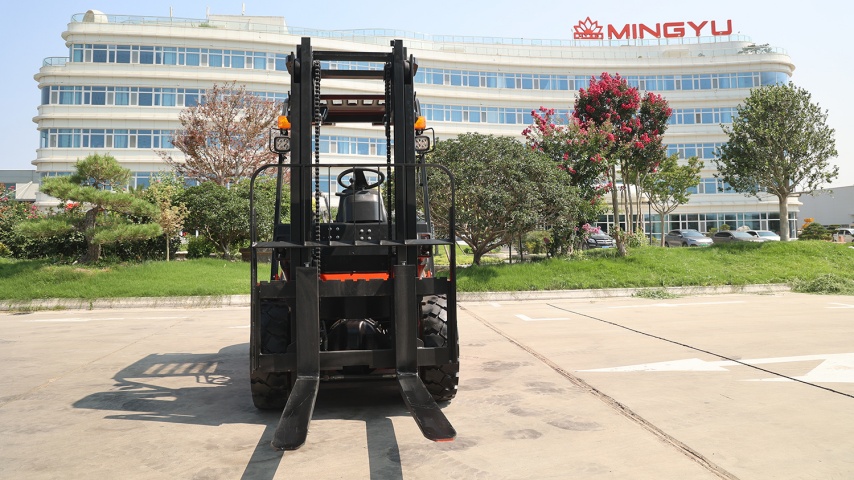
Exterior and Structural Assessment: The operator walks completely around the forklift, examining the overhead guard for damage that could compromise falling object protection. Inspect the chassis and counterweight for cracks, deformation, or evidence of collision damage. Check for fluid accumulation beneath the equipment—engine oil, hydraulic fluid, coolant, or fuel leaks indicate immediate attention requirements. Document any new damage or fluid deposits for maintenance personnel review.
Tire and Wheel Examination: For pneumatic tires, verify inflation pressure using a calibrated gauge. Pressure should match manufacturer specifications adjusted for load and temperature conditions. Inspect tread for embedded debris, cuts, or abnormal wear patterns. Solid tires require examination for chunking, ring cracks, or bonding separation. Check wheel nut torque by attempting to tighten with a wrench—any movement indicates loosening requiring immediate correction.
Fluid Level Verification: With the forklift on level ground and the engine cold, check engine oil using the dipstick. Oil should register between minimum and maximum marks with amber to dark brown coloration. Black, gritty oil indicates contamination requiring change. Verify coolant level in the overflow reservoir—never open a pressurized radiator cap on a hot engine. Check hydraulic fluid in the reservoir sight glass or via dipstick. Low hydraulic fluid causes pump cavitation and system damage.
Battery and Electrical Systems: For electric forklifts, verify electrolyte levels in all cells after charging. Add distilled water only to maintain levels above plate tops. Inspect terminals for corrosion and ensure connections are tight. Test all lighting functions—headlights, taillights, brake lights, turn signals, and warning beacons. Verify gauge functionality and warning indicator operation.
Operational Function Test: Before loading, test all hydraulic controls for smooth, responsive operation. Verify lift, lower, tilt, and auxiliary functions operate without binding, jerking, or abnormal noise. Test service brakes for firm pedal feel and effective stopping. Verify parking brake holds the forklift stationary on an incline. Test steering for excessive play or binding.
Weekly Maintenance Procedures
Weekly intervals allow more thorough inspection of components that degrade progressively.
Chain and Mast Inspection: Examine lift chains for elongation, corrosion, or damaged links. Chain elongation exceeding three percent of original length requires replacement. Lubricate chains with penetrating oil, wiping excess to prevent contamination attraction. Inspect chain anchor points and rollers for wear. Check mast channels for scoring or deformation that indicates misalignment.
Air Filter Service: Remove and inspect the engine air filter element. Tap lightly to dislodge loose debris. Hold the element toward a light source—replace if light does not pass through the media. In dusty environments, consider daily filter inspection and more frequent replacement.
Lubrication Service: Apply grease to all accessible fittings per the manufacturer lubrication chart. Common points include mast pivot bearings, tilt cylinder pins, steering kingpins, and brake linkages. Clean fittings before greasing and apply until fresh grease emerges, indicating complete purging of old, contaminated lubricant.
Operator Compartment Cleaning: Remove debris, trash, and spilled materials from the operator area. Clean windows and mirrors for visibility. Verify fire extinguisher presence, charge status, and inspection currency.
Second-Level Maintenance: Periodic Technician Service
Second-level maintenance occurs at defined operating hour intervals—typically every 250, 500, or 1,000 hours depending on manufacturer specifications and operating severity. These services require trained technicians with appropriate tools and diagnostic equipment.
250-Hour Service Protocol
The 250-hour service represents the first major maintenance interval beyond daily care, addressing systems that require attention after initial break-in and early wear establishment.
Engine Oil and Filter Change: Drain engine oil while warm to suspend contaminants in the fluid. Replace the oil filter using manufacturer-specified units with proper torque. Refill with the recommended oil grade and viscosity for current operating conditions. Record oil appearance and any metallic particles that indicate abnormal wear.
Fuel Filter Replacement: Replace primary and secondary fuel filters to prevent injector damage from contamination. Pre-fill filters with clean fuel before installation to prevent air introduction. Prime the fuel system according to manufacturer procedures.
Cooling System Inspection: Test coolant freeze protection and boiling point using a refractometer. Inspect radiator hoses for hardening, cracking, or bulging. Check hose clamps for proper torque and corrosion. Clean radiator fins with low-pressure water or compressed air from the engine side to prevent fin damage.
Brake System Service: Inspect brake lining thickness against minimum specification. Measure drum diameter or rotor thickness for wear limits. Check brake fluid condition—dark, contaminated fluid requires complete system flush and refill. Adjust brake mechanisms to compensate for lining wear.
Hydraulic Filter Change: Replace hydraulic return and pressure filters. Contaminated hydraulic fluid causes valve sticking, cylinder scoring, and pump failure. Inspect replaced filters for excessive metal particles that indicate internal component damage.
500-Hour Service Protocol
The 500-hour service builds upon 250-hour procedures with deeper system inspection and component replacement.
Transmission Service: For automatic transmissions, replace fluid and filter. Inspect fluid condition—burnt odor or metallic particles indicate clutch wear. Adjust clutch packs and bands to specification. For hydrostatic transmissions, verify charge pressure and replace filters.
Differential and Axle Service: Replace axle lubricant and inspect for water contamination or metallic particles. Check axle breather functionality—restricted breathers cause seal failure from pressure buildup. Inspect axle seals for leakage.
Steering System Maintenance: Check power steering fluid condition and level. Inspect steering linkage for wear—excessive play at tie rod ends or kingpins requires replacement. Verify steering cylinder operation and seal integrity. Adjust steering gear backlash if applicable.
Mast and Carriage Deep Inspection: Remove chains for thorough cleaning and inspection. Measure chain pin diameter and plate thickness against wear limits. Inspect sheave bearings for smooth rotation and proper lubrication. Check carriage rollers for flat spots, scoring, or excessive clearance in mast channels.
Electrical System Service: Test battery capacity and charging system output. Clean and tighten all electrical connections. Inspect wiring harnesses for chafing, insulation damage, or corrosion. Test starter motor current draw and alternator output under load.
1,000-Hour Service Protocol
The 1,000-hour service represents comprehensive system evaluation and major component attention.
Engine Comprehensive Service: Perform compression or leak-down testing to assess cylinder condition. Inspect valve clearances and adjust to specification. Replace spark plugs or glow plugs as applicable. Test injector spray patterns and replace worn injectors. Inspect turbocharger shaft play and bearing condition if equipped.
Hydraulic System Overhaul: Perform complete hydraulic fluid analysis testing for oxidation, water content, and particle count. Flush system if contamination exceeds acceptable limits. Inspect all hydraulic cylinders for rod scoring, seal leakage, and barrel wear. Replace worn seals before failure causes fluid loss and contamination.
Cooling System Overhaul: Drain, flush, and refill with fresh coolant mixture. Replace thermostat if operating temperature has been inconsistent. Inspect water pump for bearing noise or seal leakage. Pressure test radiator and heater core for leaks. Replace radiator cap to maintain proper system pressure.
Brake System Rebuild: Replace all brake fluid with fresh material meeting DOT specifications. Rebuild or replace wheel cylinders and calipers showing seal deterioration. Machine or replace brake drums and rotors exceeding wear limits. Adjust parking brake mechanism for proper engagement.
Third-Level Maintenance: Major Overhaul and Component Rebuild
Third-level maintenance represents the most intensive service category, typically performed at 5,000 to 10,000 operating hours or when component failure necessitates comprehensive rebuild. These procedures require specialized tools, technical expertise, and significant equipment downtime.
Engine Overhaul Procedures
Engine rebuild restores performance and extends service life when wear exceeds acceptable limits.
Disassembly and Inspection: Remove engine from chassis for complete teardown. Inspect cylinder bores for taper, out-of-round, and scoring. Measure piston ring groove wear and piston skirt clearance. Examine crankshaft journals for scoring, out-of-round, and bearing clearance. Check cylinder head for warpage and valve seat recession.
Machining Operations: Bore and hone cylinders to next oversize if wear exceeds limits. Grind crankshaft journals to undersize if necessary. Resurface cylinder head to restore flatness. Rebuild or replace connecting rods with new bushings and resized big ends.
Reassembly and Testing: Install new pistons, rings, bearings, and gaskets. Adjust all clearances to specification. Perform break-in procedure on dynamometer or in chassis. Verify oil pressure, coolant flow, and operating temperature before returning to service.
Transmission and Driveline Rebuild
Powertrain rebuild restores efficiency and eliminates wear-induced problems.
Transmission Disassembly: Remove transmission and disassemble completely. Inspect gear teeth for pitting, chipping, or excessive wear. Measure clutch plate thickness and warpage. Check hydraulic valve body for bore wear and valve sticking. Inspect torque converter for blade damage and seal leakage.
Component Reconditioning: Replace all friction plates, steel plates, and seals. Machine or replace valve body as necessary. Rebuild torque converter with new seals and bearings. Replace worn gear sets and synchronizers.
Calibration and Testing: Adjust clutch pack clearances and shift timing. Perform stall test to verify torque converter performance. Test all gear ranges under load before installation.
Mast and Lift Mechanism Restoration
Mast rebuild ensures safe load handling and extends structural service life.
Structural Assessment: Magnaflux or dye-penetrant inspect all welded joints for cracks. Measure mast channel straightness—excessive bow causes binding and uneven wear. Replace channels exceeding deflection limits.
Component Replacement: Install new lift chains, sheaves, and bearings. Rebuild or replace all hydraulic cylinders with new seals and rod bushings. Replace worn carriage rollers and side thrust bearings.
Reassembly and Alignment: Assemble mast with proper shimming and alignment. Verify chain tension equality. Test all functions for smooth operation without binding or abnormal noise.
Documentation and Compliance Protocols
Effective maintenance requires comprehensive documentation supporting warranty claims, regulatory compliance, and operational analysis.
Service Record Maintenance: Record all maintenance activities with date, operating hours, technician identification, and parts used. Maintain records for the equipment service life plus regulatory retention period.
Warranty Compliance: Follow manufacturer-specified maintenance intervals and procedures exactly to preserve warranty coverage. Use only approved parts, fluids, and filters. Document all services with dated receipts and technician signatures.
Regulatory Compliance: Maintain OSHA-compliant inspection records. Ensure certified technicians perform regulated services. Update safety equipment and markings according to current standards.
Performance Analysis: Review maintenance records periodically to identify failure patterns, premature wear trends, and training needs. Use data to optimize maintenance intervals and predict component replacement requirements.
Conclusion
The three-level maintenance hierarchy provides a structured framework for comprehensive forklift care. First-level maintenance empowers operators to identify problems early and maintain daily reliability. Second-level maintenance enables technicians to address progressive wear before failure occurs. Third-level maintenance restores major components to extend equipment service life economically.
Organizations that implement this tiered approach with disciplined documentation achieve superior equipment availability, predictable maintenance costs, and regulatory compliance. The investment in structured maintenance programs yields returns through reduced emergency repairs, extended asset life, and enhanced workplace safety.
Name: selena
Mobile:+86-13176910558
Tel:+86-0535-2090977
Whatsapp:8613181602336
Email:vip@mingyuforklift.com
Add:Xiaqiu Town, Laizhou, Yantai City, Shandong Province, China
