
vip@mingyuforklift.com
+86-0535-2090977

Aerial Work Platforms (AWPs), including scissor lifts, articulating booms, and telescopic booms, are critical equipment in industries such as construction, logistics, manufacturing, and facility maintenance. These devices enable safe and efficient access to high-altitude work areas, but their reliable operation depends heavily on systematic maintenance. Neglecting maintenance not only shortens the service life of AWPs but also poses severe safety hazards to operators and on-site personnel. This guide provides a comprehensive overview of AWP maintenance, covering daily inspection procedures and in-depth overhaul requirements to ensure equipment performance, extend service life, and mitigate operational risks.
1. Introduction to AWP Maintenance Fundamentals
AWP maintenance is a systematic process that combines preventive care and corrective repair, adhering to the manufacturer’s specifications and industry safety standards (such as ANSI A92.6, EN 280, and ISO 16368). The core objectives of AWP maintenance are to maintain structural integrity, ensure the normal operation of key systems (hydraulic, electrical, mechanical, and control systems), and comply with legal and regulatory requirements. Maintenance activities are divided into two primary categories: daily inspection (pre-operation and post-operation checks) and in-depth overhaul (periodic maintenance based on usage hours or calendar time). Both categories are indispensable—daily inspections identify immediate hazards, while in-depth overhauls address potential issues that may not be detected during routine checks.
2. Daily Inspection: Pre-operation and Post-operation Checks
Daily inspection is the first line of defense for AWP safety and performance. It should be conducted by a qualified operator before each use and supplemented by a post-operation check to document any wear, damage, or malfunctions. The following steps outline the key components of daily AWP inspection, applicable to most scissor, articulating, and telescopic boom models.
2.1 Pre-operation Inspection
Before starting the AWP, the operator must verify that the equipment is in optimal condition for use. This inspection should take 10–15 minutes and cover the following areas:
2.1.1 Visual and Structural Check
Begin with a visual inspection of the AWP’s structural components. Check the platform, guardrails, and access gates for cracks, dents, or loose fasteners—these structural defects can compromise operator safety during elevation. Inspect the boom (for articulating/telescopic models) or scissor arms (for scissor lifts) for signs of bending, corrosion, or weld damage. Pay special attention to pivot points, hinges, and locking mechanisms, ensuring they are free of debris and properly lubricated. For tracked or wheeled AWPs, examine the tires or tracks for wear, punctures, or loose components; ensure the wheels are properly inflated (for pneumatic tires) and the tracks are tensioned correctly.
2.1.2 Hydraulic System Check
The hydraulic system is responsible for AWP elevation and stability, making it a critical area for inspection. Check the hydraulic fluid level using the dipstick or sight glass, ensuring it falls within the manufacturer’s recommended range. Inspect hydraulic hoses, fittings, and cylinders for leaks—look for fluid stains, dampness, or visible cracks in hoses. If a leak is detected, the AWP must be taken out of service immediately, as hydraulic failures can lead to sudden platform drops. Additionally, check the hydraulic filter for signs of clogging (indicated by warning lights or reduced performance) and verify that the hydraulic reservoir cap is securely fastened to prevent contamination.
2.1.3 Electrical System Check
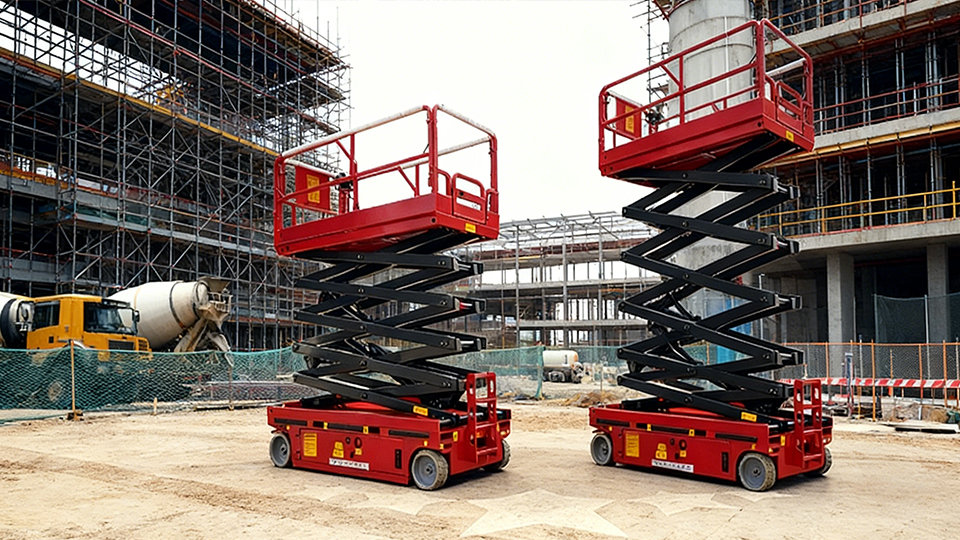
AWP electrical systems control operation, safety sensors, and emergency functions. Start by checking the battery voltage and state of charge—most AWPs have a built-in battery gauge or display. Inspect battery terminals for corrosion, and ensure they are tight and clean (use a wire brush to remove corrosion if necessary). Check all electrical cables, connectors, and switches for damage, fraying, or loose connections. Test the emergency stop button, platform controls (lift, lower, rotate), and ground control panel to ensure they respond correctly. Verify that safety sensors (such as overload sensors, tilt sensors, and proximity sensors) are functioning—most AWPs will trigger an alarm or prevent operation if sensors are faulty. Finally, check the lighting system (headlights, taillights, warning beacons) to ensure visibility in low-light conditions.
2.1.4 Safety Equipment Check
Safety equipment must be fully functional before operating the AWP. Inspect the operator’s harness and lanyard for wear, fraying, or damage—replace any components that show signs of deterioration. Check the platform’s emergency descent system (a critical backup in case of hydraulic or electrical failure) by testing it in a safe, low-altitude position. Verify that the AWP’s load capacity label is visible and legible, and ensure the intended load (operator + tools) does not exceed the rated capacity. Inspect the outriggers (for boom lifts) or stabilizers (for scissor lifts) for damage, and ensure they extend fully and lock into place—unstable outriggers can cause the AWP to tip over during operation.
2.2 Post-operation Inspection
After completing the work, a post-operation inspection helps document equipment condition and address minor issues before they escalate. Clean the AWP to remove debris, dirt, and grease—accumulated debris can damage moving parts and obscure leaks. Check for any new damage or wear that occurred during operation, such as bent guardrails, leaking hoses, or worn tires. Lower the platform to its fully retracted position, turn off the engine or power supply, and engage the parking brake. Disconnect the battery if the AWP will not be used for an extended period. Finally, record the inspection results in a maintenance log, noting any defects and initiating repairs as needed.
3. In-depth Overhaul: Periodic Maintenance Requirements
In-depth overhaul refers to periodic maintenance performed at specified intervals, typically based on usage hours (e.g., 250 hours, 500 hours, 1,000 hours) or calendar time (e.g., 6 months, 1 year), as outlined in the manufacturer’s manual. This maintenance requires specialized tools and should be conducted by certified technicians. The following sections detail the key components of in-depth AWP overhaul.
3.1 Hydraulic System Overhaul
Hydraulic system overhaul focuses on replacing worn components, flushing contaminated fluid, and ensuring optimal performance. At the 500-hour interval, drain and replace the hydraulic fluid—use only the manufacturer-recommended fluid grade, as incorrect fluid can damage seals and valves. Replace the hydraulic filter and strainer to prevent contaminants from circulating in the system. Inspect hydraulic cylinders for internal leaks by extending and retracting them fully—leaks may indicate worn seals, which should be replaced. Check the hydraulic pump for abnormal noise or reduced pressure, and inspect valves (directional control valves, relief valves) for proper operation. Lubricate all hydraulic fittings and pivot points with a high-quality lubricant to reduce friction.
3.2 Electrical System Overhaul
Electrical system overhaul involves testing and replacing components to prevent unexpected failures. At the 1,000-hour interval, perform a comprehensive battery test—check the battery’s capacity and replace it if it fails to hold a charge. Inspect all electrical wiring for insulation damage, and repair or replace frayed cables. Test the alternator (for engine-powered AWPs) or charger (for electric AWPs) to ensure it is supplying the correct voltage. Calibrate safety sensors (tilt, overload, proximity) according to the manufacturer’s specifications—misaligned sensors can cause false alarms or unsafe operation. Replace worn switches, connectors, and fuses, and verify that the emergency stop system functions correctly.
3.3 Mechanical System Overhaul
The mechanical system includes the AWP’s boom, scissor arms, outriggers, and drive train. For boom lifts, inspect the boom’s telescoping and articulating mechanisms—replace worn bushings, pins, and bearings to ensure smooth operation. For scissor lifts, check the scissor arms for wear and replace any damaged links or pins. Inspect the outriggers and stabilizers for bent or worn components, and ensure their locking mechanisms are secure. For drive systems, check the transmission fluid level (for engine-powered AWPs) and replace worn drive belts or chains. Inspect the brakes (service brakes, parking brakes) for wear, adjust the brake pads, and bleed the brake lines if necessary. Lubricate all mechanical moving parts with the recommended lubricant to prevent corrosion and reduce wear.
3.4 Body and Structural Overhaul
Structural integrity is critical for AWP safety, so periodic structural inspections are essential. Inspect the platform, guardrails, and chassis for corrosion—remove rust with a wire brush and apply a protective coating to prevent further damage. Check welds for cracks or fatigue, especially in high-stress areas (boom joints, scissor arm connections). If cracks are detected, the AWP must be taken out of service and repaired by a qualified technician. Inspect the access gates and latches to ensure they close securely, and replace any worn or damaged components. Clean the AWP’s cooling system (radiator, condenser) to remove debris, which can cause overheating.
4. Maintenance Best Practices
To maximize the effectiveness of AWP maintenance, follow these best practices:
Adhere to Manufacturer Guidelines: Always follow the maintenance schedule and procedures outlined in the AWP’s operator manual—manufacturer specifications are tailored to the equipment’s design and components.
Use Genuine Parts: Replace worn components with genuine manufacturer parts to ensure compatibility and performance—aftermarket parts may not meet safety standards and can void warranties.
Document Maintenance Activities: Maintain a detailed maintenance log recording inspections, repairs, and part replacements. This log helps track equipment history, identify recurring issues, and comply with regulatory requirements.
Train Personnel: Ensure operators and technicians receive proper training on AWP maintenance—certified personnel are better equipped to identify defects and perform maintenance correctly.
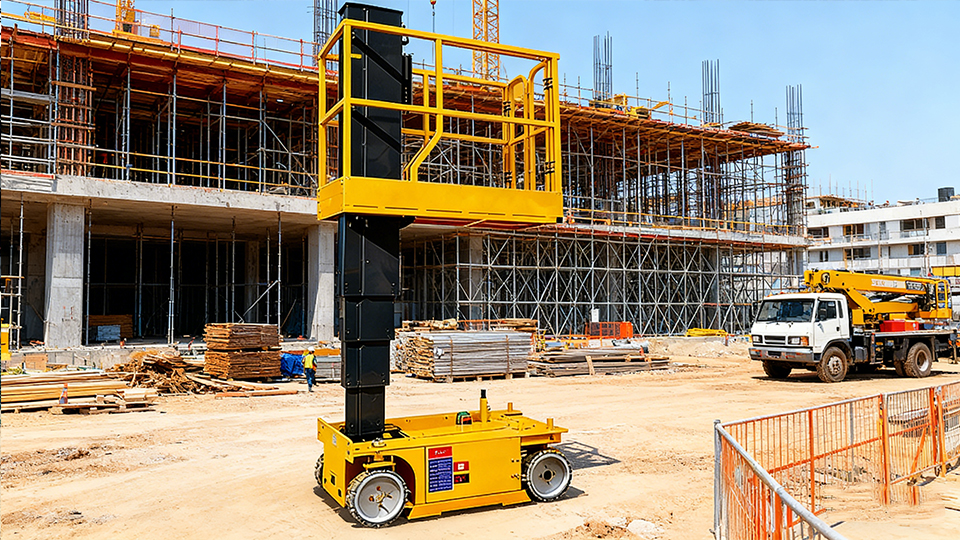
Store Equipment Properly: When not in use, store the AWP in a dry, covered area to protect it from weather damage. Lower the platform, engage the parking brake, and disconnect the battery to prevent drain.
Address Issues Promptly: Never operate an AWP with known defects. Repair minor issues immediately to prevent them from escalating into major, costly problems or safety hazards.
5. Conclusion
AWP maintenance is a critical responsibility that directly impacts equipment reliability, operator safety, and operational efficiency. Daily inspections ensure that the AWP is safe for use, while in-depth overhauls address underlying issues that can compromise performance over time. By following the guidelines outlined in this guide—adhering to manufacturer specifications, conducting regular inspections, and performing timely overhauls—businesses can extend the service life of their AWPs, reduce downtime, and create a safer work environment. Remember, a well-maintained AWP is not just a cost-saving investment; it is a vital component of a successful high-altitude work operation.
Name: selena
Mobile:+86-13176910558
Tel:+86-0535-2090977
Whatsapp:8613181602336
Email:vip@mingyuforklift.com
Add:Xiaqiu Town, Laizhou, Yantai City, Shandong Province, China