
vip@mingyuforklift.com
+86-0535-2090977

For facility managers, construction project leads, and procurement specialists, renting a forklift is often a more strategically sound move than purchasing one. It preserves capital, eliminates long-term maintenance liabilities, and allows for operational scaling. However, budgeting for a rental is more complex than simply looking at a daily rate.
As of 2026, the forklift rental market has evolved with the integration of telematics, carbon-tax considerations, and the rapid shift toward lithium-ion and hydrogen fuel cell technology. This article provides a technical breakdown of how to build a precise budget for forklift rentals, accounting for equipment types, hidden fees, and regional economic factors.
1. The Core Components of Rental Pricing
To build an accurate budget, one must first understand that rental costs are tiered based on duration. The industry standard follows a 1-4-13 rule: a weekly rate is roughly four times the daily rate, and a monthly rate is roughly thirteen times the daily rate.
Typical Rental Price Ranges (2026 Estimates)
|
Forklift Type |
Daily Rate |
Weekly Rate |
Monthly Rate |
|
Electric Pallet Jack |
$75 – $125 |
$250 – $400 |
$700 – $1,100 |
|
3,000–5,000 lb. Electric |
$150 – $250 |
$500 – $800 |
$1,500 – $2,200 |
|
5,000 lb. Internal Combustion (IC) |
$175 – $300 |
$600 – $950 |
$1,800 – $2,600 |
|
10,000 lb. Heavy Duty Diesel |
$350 – $600 |
$1,200 – $2,000 |
$3,500 – $5,500 |
|
Telehandler (Rough Terrain) |
$400 – $800 |
$1,500 – $2,800 |
$4,500 – $8,000 |
2. Factors That Influence the Base Rate
2.1 Capacity and Lift Height
The primary driver of cost is the "iron." A forklift rated for 5,000 lbs. is significantly cheaper than a high-capacity unit rated for 30,000 lbs. Additionally, specialized masts (such as quad-masts for high-reach racking) increase the rental premium by 10–15% due to the added complexity and lower availability of the units.
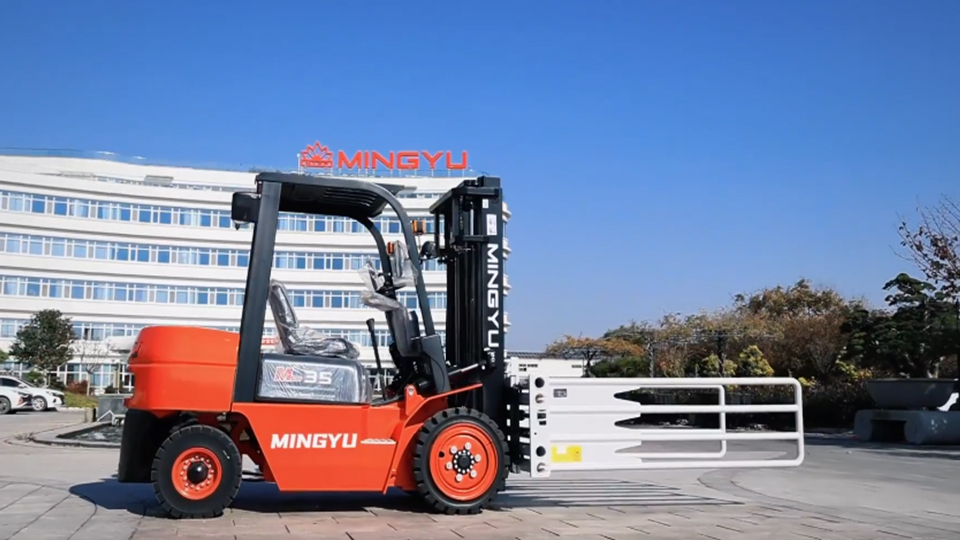
2.2 Power Source: Electric vs. IC
In 2026, the "Electric Premium" has narrowed but still exists.
Electric/Lithium-Ion: Higher upfront rental cost (approx. 15–20% more than propane) but lower daily operating costs. You must budget for charging infrastructure or ensure the rental includes a portable 480V charger.
Internal Combustion (Propane/Diesel): Lower rental rates but subject to fluctuating fuel surcharges and carbon emissions compliance fees in certain jurisdictions.
2.3 Technology and Telematics
Modern rental fleets now include "Smart Forklift" packages. These include impact sensors, operator login verification, and GPS tracking. Budget an additional $20–$50 per month for these features, which are often required by insurance providers to lower your liability premiums.
3. The "Hidden" Budget Killers: Ancillary Costs
A common mistake in procurement is budgeting only for the "sticker price." In reality, ancillary costs can represent 25–40% of the total invoice.
3.1 Delivery and Pickup (D&P)
Forklifts cannot be driven to your site; they require specialized flatbeds or tilt-trailers.
Budget Range: $150 – $500 per round trip, depending on distance and the size of the machine.
Note: If renting a heavy-duty unit (over 15,000 lbs.), expect a "Heavy Haul" surcharge.
3.2 Fuel and Charging Surcharges
Propane: If you don’t have an on-site tank exchange, the rental company will charge a premium for the propane left in the tank.
Recharging Fees: Returning an electric forklift with a flat battery can result in a "service charge" of $50 or more in 2026, as it prevents the unit from being immediately turned around for the next client.
3.3 Damage Waiver vs. Insurance
Most rental houses charge a Loss Damage Waiver (LDW), typically 10–15% of the rental rate. While this covers "normal wear and tear," it rarely covers gross negligence (e.g., tip-overs).
Budget Tip: Check if your existing corporate inland marine insurance covers rented equipment. If so, you can provide a Certificate of Insurance (COI) to waive the LDW fee.
4. Operational Environment Impacts
Where you use the forklift dictates the maintenance budget.
Cold Storage: Requires specialized hydraulic fluid and heaters. Expect a 20% premium.
Corrosive Environments (Chemical/Salt): Requires "wash-down" packages.
Multi-Shift Operations: Standard rental rates usually cover 8 hours of use per day (40 hours/week). If you run a 24/7 operation, you will be billed for "Double" or "Triple" shifts, effectively doubling your rental rate.
5. Maintenance and Repair Provisions
Standard rental contracts include "normal" maintenance (oil changes, filter replacements). However, the following items are usually the renter's responsibility:
Tires: If you "chunk" a tire on a sharp dock plate, you will be charged for a replacement (approx. $300–$800 per tire).
Forks: Bent forks due to improper lifting are a common back-end charge.
Daily Checks: Your budget must account for the labor cost of your operators performing OSHA-mandated daily inspections.
6. Regulatory and Compliance Costs (2026 Update)
Following the 2026 ISO updates, there is a greater emphasis on operator certification.
Training: If your staff isn't certified on the specific class of forklift you are renting, you must budget $150–$300 per operator for a certification course.
Permitting: In some urban centers, operating a diesel forklift indoors now requires a temporary emissions permit.
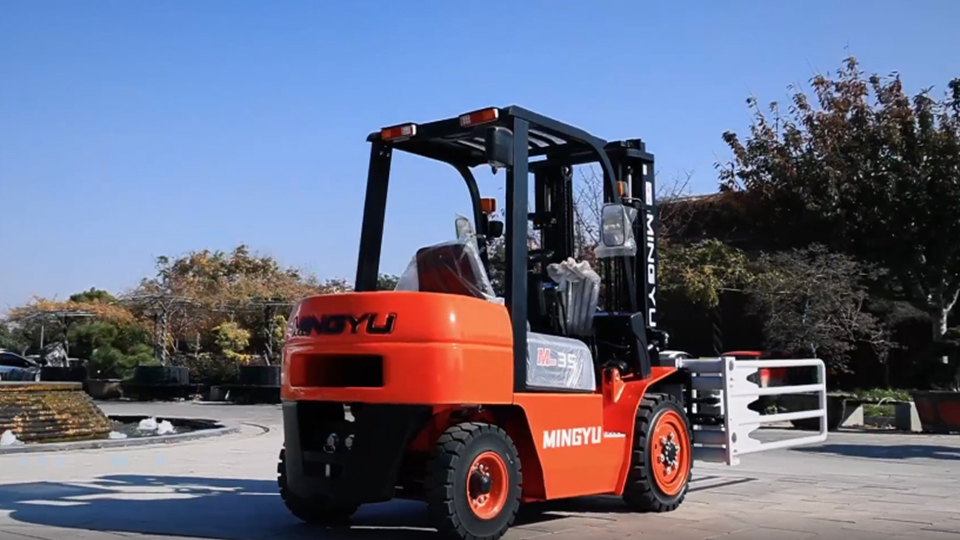
7. Strategic Budgeting: Rental vs. Leasing
For projects lasting longer than 12 months, a short-term rental is usually the most expensive option.
Short-Term Rental: Best for 1 day to 6 months. High flexibility, high cost.
Operating Lease: Best for 1–5 years. Lower monthly cost, includes maintenance, but lacks the "return any time" flexibility.
8. Summary Checklist for Your Budget
To finalize your forklift rental budget, ensure you have a line item for each of the following:
Base Rental Rate: (Daily/Weekly/Monthly)
D&P Fees: (Delivery and Pickup)
LDW: (Loss Damage Waiver or Insurance)
Overtime Hours: (Any use over 40 hours/week)
Environmental/Fuel Surcharge: (Propane or Carbon Tax)
Attachments: (Side shifters, clamps, or carpet poles)
Taxes: (State and Local)
Conclusion
Budgeting for a forklift rental in 2026 requires looking beyond the daily rate. By accounting for delivery logistics, multi-shift surcharges, and the specific technological needs of your facility, you can avoid "invoice shock." A well-planned budget for a standard 5,000 lb. cushion-tire forklift should realistically hover around $2,500 – $3,000 per month once all fees and fuel are included.
Name: selena
Mobile:+86-13176910558
Tel:+86-0535-2090977
Whatsapp:8613181602336
Email:vip@mingyuforklift.com
Add:Xiaqiu Town, Laizhou, Yantai City, Shandong Province, China
