
vip@mingyuforklift.com
+86-0535-2090977

Introduction
Dual-fuel forklifts represent a significant advancement in material handling equipment, offering the flexibility to operate on both gasoline and liquefied petroleum gas (LPG). This dual-capability design provides operational advantages including reduced emissions, lower fuel costs, and enhanced operational flexibility. However, the complexity of dual-fuel systems demands a comprehensive maintenance approach that addresses the unique requirements of both fuel systems while ensuring optimal performance and safety.
Understanding Dual-Fuel System Architecture
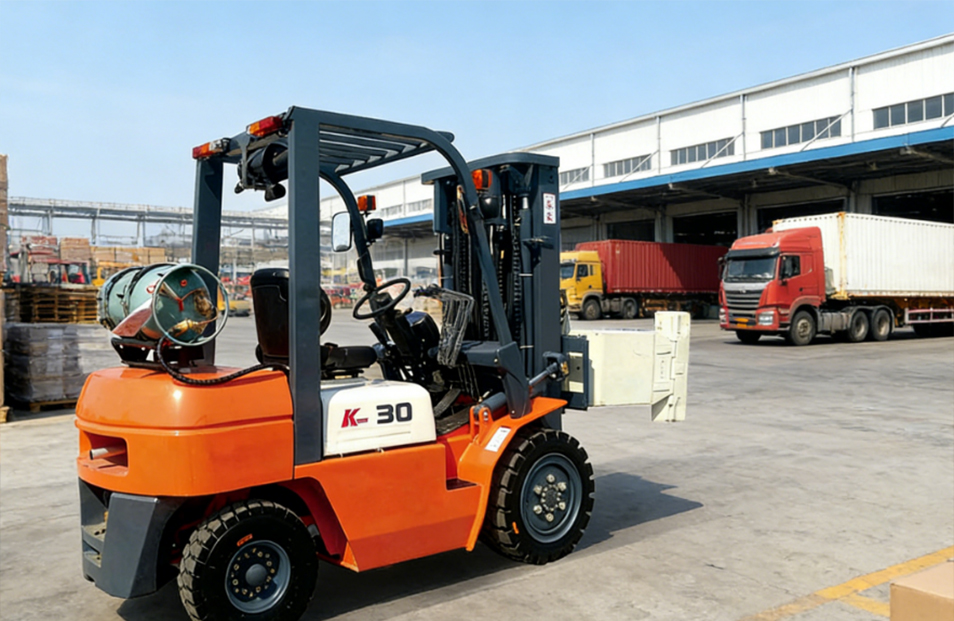
Dual-fuel forklifts incorporate two distinct fuel delivery systems that share common engine components. The gasoline system includes a fuel tank, fuel pump, fuel injectors or carburetor, and associated filtration components. The LPG system comprises a pressurized fuel tank, vaporizer-regulator, mixer or injector system, and specialized safety valves. These systems converge at the engine, requiring sophisticated switching mechanisms and control systems.
The engine itself must be designed to handle both fuels, with compression ratios, valve timing, and ignition systems optimized for dual-fuel operation. This architectural complexity necessitates maintenance procedures that account for interactions between systems and potential cross-contamination issues.
Gasoline System Maintenance
Fuel Quality Management
Gasoline quality directly impacts engine performance and longevity. Operators must ensure fuel freshness, as gasoline degrades over time, forming gums and varnishes that clog injectors and carburetor passages. For dual-fuel forklifts operating primarily on LPG, gasoline may remain in the tank for extended periods, increasing degradation risk.
Maintenance protocols should include monthly fuel system inspections, with gasoline replacement every three months if unused. Fuel stabilizers can extend storage life, but regular system operation on gasoline remains essential to maintain system integrity. The fuel tank requires annual inspection for corrosion, particularly in humid environments where condensation accelerates tank deterioration.
Filtration Systems
Dual-fuel forklifts require robust filtration due to the potential for fuel contamination during switching operations. Gasoline fuel filters demand replacement every 500 operating hours or six months, whichever occurs first. In dusty environments, more frequent replacement may be necessary.
The fuel pump strainer requires cleaning during every filter replacement, with pump pressure testing to ensure proper delivery rates. Degraded pump performance manifests as hard starting, power loss, or erratic idle—symptoms that demand immediate attention before permanent damage occurs.
Injector and Carburetor Maintenance
For fuel-injected systems, injector cleaning should occur annually using professional-grade cleaning solutions. Carbon deposits accumulate differently on gasoline versus LPG operation, with gasoline operation typically producing more deposit buildup. Maintenance schedules must account for the primary fuel used, with gasoline-dominant operations requiring more frequent injector service.
Carbureted systems demand meticulous attention to float levels, jet cleanliness, and choke operation. The transition between fuels can cause temporary richness or leanness, accelerating wear on carburetor components. Monthly carburetor inspections and quarterly adjustments maintain optimal air-fuel ratios across both operating modes.
LPG System Maintenance
Tank and Valve Inspection
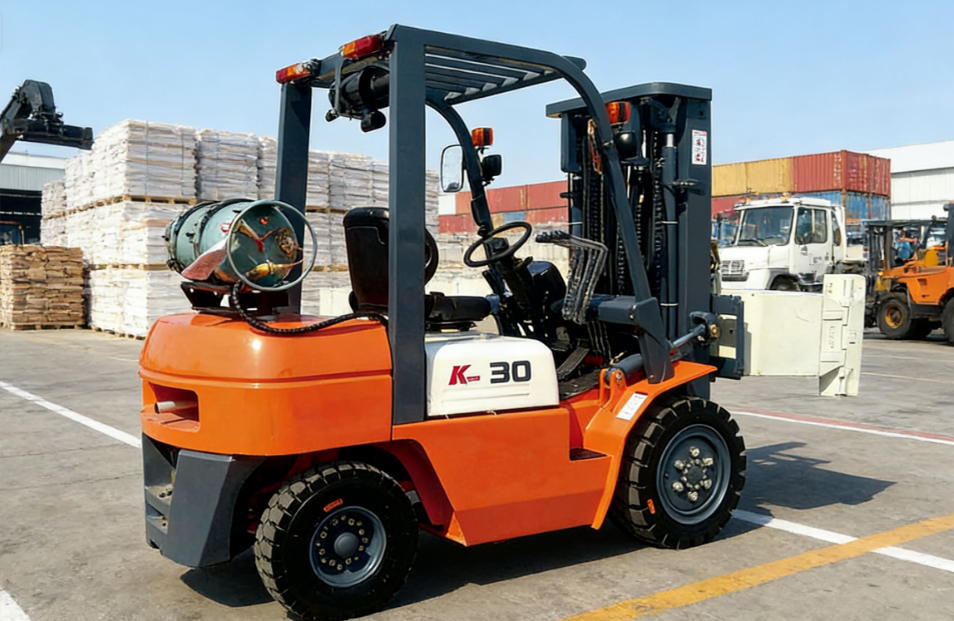
The LPG tank represents the most critical safety component in dual-fuel systems. Regulatory requirements mandate visual inspection at each refill, with hydrostatic testing every five to ten years depending on jurisdiction and tank construction. The tank mounting system requires monthly inspection for secure attachment, with particular attention to bracket integrity and anti-vibration mounts.
Tank valves demand specialized maintenance protocols. The service valve, excess flow valve, and relief valve require annual testing by certified technicians. Valve stem seals degrade over time, potentially causing dangerous leaks. Operators should perform soap-bubble leak tests weekly, with immediate professional service required for any detected leakage.
Vaporizer-Regulator Service
The vaporizer-regulator converts liquid LPG to vapor while reducing tank pressure to usable levels. This component experiences extreme temperature variations and fuel contamination stresses. Maintenance includes monthly inspection of coolant passages (for liquid-cooled units), diaphragm condition assessment, and pressure output verification.
Water contamination in LPG causes regulator freeze-up and internal corrosion. Fuel source quality significantly impacts regulator longevity, with commercial-grade LPG typically containing fewer contaminants than automotive-grade fuel. Regulator rebuild or replacement should occur every 2,000 operating hours or two years, with more frequent service in high-contamination environments.
Mixer and Injection Systems
LPG mixers and injectors require precise calibration to maintain emissions compliance and engine performance. Air-fuel mixture screws demand seasonal adjustment to account for temperature and altitude variations. Monthly inspection should verify mixer diaphragm integrity, throttle plate operation, and mounting bolt torque.
For electronic LPG injection systems, software updates and sensor calibration follow manufacturer-specific protocols. Oxygen sensors, pressure transducers, and temperature probes require validation against known standards annually. Wiring harness inspection prevents intermittent faults that cause poor drivability and increased emissions.
Engine-Specific Maintenance Considerations
Lubrication Systems
Dual-fuel operation creates unique lubrication challenges. LPG combustion produces less cylinder wall washing than gasoline, potentially allowing higher operating temperatures and increased oil degradation. However, gasoline operation during cold starts and warm-up periods introduces fuel dilution of crankcase oil.
Oil analysis provides valuable insight into engine condition, with sampling recommended every 250 hours. Analysis should measure fuel dilution, viscosity degradation, and wear metal concentrations. Oil change intervals typically range from 250 to 500 hours depending on operating conditions and oil quality, with severe service applications requiring more frequent changes.
Cooling System
The cooling system maintains critical temperatures for both fuel systems. The LPG vaporizer often integrates with engine coolant, making cooling system maintenance essential for fuel system performance. Coolant replacement every two years prevents corrosion that compromises vaporizer efficiency and engine cooling capacity.
Radiator maintenance includes monthly external cleaning and annual pressure testing. Thermostat operation verification ensures proper engine temperature regulation, with particular attention to the temperature ranges required for optimal LPG vaporization.
Ignition System
Dual-fuel engines require ignition timing optimized for both fuels, typically with computer-controlled advance curves. Spark plug selection must accommodate different combustion characteristics, with platinum or iridium plugs offering extended service life. Plug replacement every 1,000 hours maintains consistent ignition performance.
Ignition coil and wire inspection prevents misfires that damage catalytic converters and increase emissions. The higher combustion temperatures of LPG operation accelerate ignition component degradation, necessitating more frequent inspection than gasoline-only applications.
Fuel System Switching Mechanisms
Electronic Control Systems
Modern dual-fuel forklifts employ sophisticated electronic controls managing fuel switching and engine optimization. These systems require diagnostic scanner access for proper maintenance. Control module software updates address performance issues and emissions compliance, with update installation following manufacturer bulletins.
Sensor calibration ensures accurate fuel metering and switching timing. Oxygen sensors, manifold absolute pressure sensors, and engine temperature sensors require periodic validation. Fault code monitoring identifies developing issues before performance degradation occurs.
Mechanical Switching Systems
Mechanical fuel selectors and mixing valves demand lubrication and adjustment to prevent binding and leakage. Cable-operated systems require periodic adjustment to maintain proper travel and detent engagement. Vacuum-operated switches need hose inspection and vacuum source verification.
Switching system maintenance includes verification of automatic fallback functions. Many systems default to gasoline operation if LPG pressure drops or system faults occur—functionality that requires regular testing to ensure emergency operability.
Safety System Maintenance
Leak Detection Systems
Electronic leak detection systems require sensor calibration and functional testing. Sensor replacement intervals typically range from two to five years depending on technology and exposure history. System self-tests should be performed weekly, with documented results maintained for safety compliance.
Visual and olfactory inspection remains essential despite electronic systems. Operators must recognize LPG odorant (ethyl mercaptan) and understand that electronic sensors may not detect all leak scenarios. Maintenance procedures include operator training verification and emergency response protocol review.
Fire Suppression and Ventilation
Engine compartment ventilation systems prevent dangerous fuel accumulation. Fan operation, duct integrity, and filter condition require monthly inspection. Automatic engine shutdown systems activate when ventilation fails—functionality demanding quarterly testing.
Fire suppression system maintenance follows manufacturer and regulatory requirements. System pressure verification, nozzle inspection, and activation system testing ensure readiness for emergency deployment. Maintenance records must document all inspections and service actions.
Preventive Maintenance Scheduling
Daily Inspections
Pre-shift inspections address immediate safety and operability concerns. Fluid level verification, leak inspection, and operational testing of both fuel systems prevent shift interruptions and safety incidents. Documentation of daily inspections supports warranty claims and regulatory compliance.
Weekly Maintenance
Weekly procedures include detailed leak testing, filter inspection, and system functional verification. Air filter cleaning or replacement, depending on service environment, maintains engine protection and fuel efficiency. Battery and electrical system inspection prevents starting failures and charging system damage.
Monthly and Quarterly Service
Extended interval maintenance addresses wear item replacement and system calibration. Valve clearance adjustment, fuel system pressure testing, and emissions system inspection occur at these intervals. Detailed documentation supports predictive maintenance programs and resale value preservation.
Annual Overhaul
Comprehensive annual service includes cylinder compression testing, fuel tank internal inspection, and control system recalibration. Major component replacement planning based on hour-meter readings and condition assessment minimizes unexpected downtime.
Environmental and Regulatory Compliance
Emissions Testing
Dual-fuel forklifts must comply with applicable emissions standards in both operating modes. Maintenance procedures must preserve catalyst efficiency and ensure proper evaporative emissions control. Testing protocols verify compliance across the operating envelope, with repair required for out-of-specification operation.
Record Keeping
Regulatory compliance demands detailed maintenance documentation. Service dates, component serial numbers, technician certifications, and test results require organized retention. Electronic maintenance management systems streamline documentation while ensuring audit readiness.
Conclusion
Proper maintenance of dual-fuel forklifts demands technical expertise, systematic procedures, and unwavering attention to safety. The complexity of dual-fuel systems rewards proactive maintenance with extended equipment life, reduced operating costs, and enhanced safety performance. Organizations operating dual-fuel forklifts should invest in technician training, specialized tools, and comprehensive documentation systems to realize the full benefits of this versatile technology.
Maintenance excellence transforms dual-fuel forklift operation from a compliance burden into a competitive advantage, delivering the operational flexibility and cost benefits that justify the initial equipment investment. Through diligent application of the maintenance principles outlined in this article, operators ensure safe, efficient, and reliable material handling operations across diverse applications and operating conditions.
Name: selena
Mobile:+86-13176910558
Tel:+86-0535-2090977
Whatsapp:8613181602336
Email:vip@mingyuforklift.com
Add:Xiaqiu Town, Laizhou, Yantai City, Shandong Province, China