
vip@mingyuforklift.com
+86-0535-2090977

Forklifts are among the most capital-intensive assets in material handling operations, yet many organizations evaluate them primarily through the lens of acquisition price. This narrow focus obscures the true economic picture. A forklift purchased for $30,000 may consume $80,000 to $150,000 in operating costs over its lifetime, with maintenance representing a substantial and growing portion of that expenditure. Understanding total cost of ownership (TCO) and implementing disciplined maintenance cost control strategies is essential for fleet managers who want to make informed decisions, optimize capital deployment, and sustain competitive operations.
This article provides a comprehensive framework for TCO analysis and examines practical strategies for controlling maintenance costs without sacrificing equipment reliability or safety performance.
Defining Total Cost of Ownership for Forklift Fleets
Total cost of ownership encompasses every dollar spent from acquisition to disposal. For forklift fleets, TCO typically includes six major categories: acquisition cost, financing charges, energy or fuel, maintenance and repairs, operator labor, and disposal or residual value. The relative weight of these categories varies dramatically based on application intensity, equipment type, and operational practices.
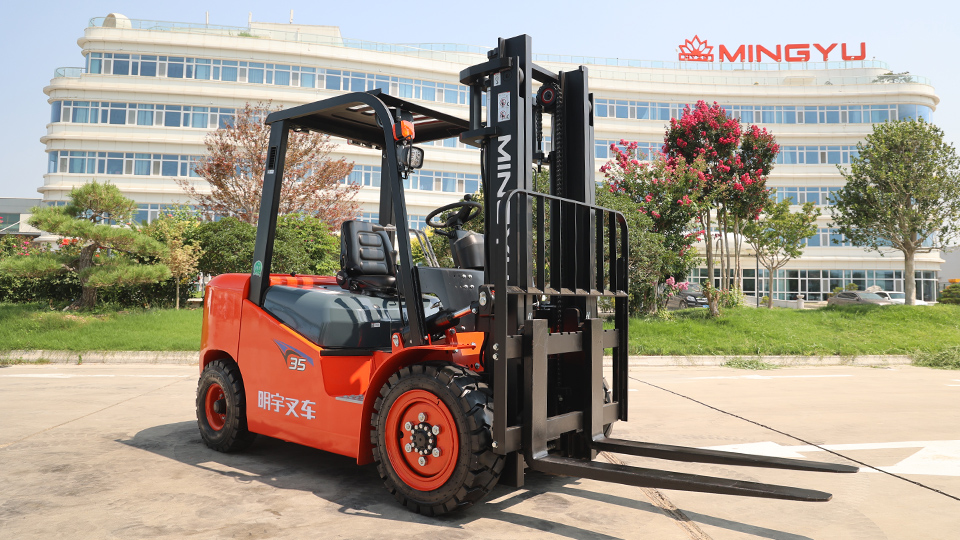
Acquisition cost is the most visible component but often the smallest in proportional terms. For a typical internal combustion forklift operated 2,000 hours annually over seven years, acquisition may represent only 15% to 20% of TCO. For electric forklifts with higher upfront battery costs but lower energy expenses, the acquisition share may be slightly higher, but operating costs still dominate. The implication is clear: optimizing TCO requires attention to the entire lifecycle, not just the purchase negotiation.
Financing charges affect TCO through interest expense or opportunity cost of capital. Organizations that pay cash tie up liquidity that could generate returns elsewhere. Lease arrangements transfer some risk to the lessor but may include hidden costs for excess hours or damage. The financing structure should align with the expected utilization and retention period.
Energy costs differ substantially between internal combustion and electric forklifts. Diesel, propane, and gasoline models face volatile fuel prices, while electric models consume electricity at more stable rates. However, electric forklifts introduce battery replacement costs that must be factored into long-term projections. Battery life ranges from five to seven years with proper maintenance, and replacement represents a significant capital event. Charging infrastructure, energy management systems, and electricity demand charges further complicate electric TCO calculations.
Operator labor is frequently omitted from TCO analysis, which is a critical oversight. Operator wages typically exceed all other cost categories combined. Equipment that enables faster cycle times, reduces fatigue, or allows one operator to accomplish work previously requiring two delivers labor savings that dwarf maintenance optimizations. Conversely, unreliable equipment that causes downtime forces idle labor or overtime, magnifying its cost impact.
Disposal and residual value represent the final TCO component. Well-maintained equipment retains value for resale or trade-in. Neglected equipment may incur disposal costs. The difference between a forklift sold at auction for $5,000 and one scrapped for $500 is directly attributable to maintenance history and cosmetic condition.
The Maintenance Cost Curve: Understanding Lifecycle Economics
Maintenance costs do not accumulate linearly over a forklift's life. They follow a predictable curve: low in early years, accelerating as equipment ages, and eventually reaching a point where annual maintenance expense approaches or exceeds replacement cost. Understanding this curve is fundamental to replacement timing decisions.
During the first two to three years, maintenance is dominated by preventive services, warranty claims, and consumable replacements. Annual maintenance costs may range from $500 to $1,500 per unit depending on application severity. Between years three and five, component wear becomes apparent. Tires, brakes, hoses, and filters require more frequent replacement. Hydraulic seals begin leaking. Electrical connections corrode. Annual costs typically rise to $2,000 to $4,000.
Beyond year five, the cost curve steepens dramatically. Engines require overhaul or replacement. Transmissions develop problems. Masts and carriages show fatigue from repeated load cycling. Electrical systems become increasingly unreliable. Annual maintenance can exceed $5,000 to $8,000, with the risk of catastrophic failures that generate unplanned downtime and emergency repair premiums.
The economic replacement point occurs when projected maintenance costs for the coming year approach the annualized cost of a replacement unit. This calculation must include downtime risk, productivity degradation from older equipment, and technological advantages of new models. Many organizations retain equipment too long, seduced by the absence of a capital expenditure while bleeding operating funds through escalating repairs.
Data-driven fleet management enables precise identification of the optimal replacement window. By tracking maintenance costs per hour, per unit, and per component category, fleet managers can identify which units have crossed the economic threshold. Benchmarking against industry standards and manufacturer projections provides additional context for replacement decisions.
Component-Level Cost Analysis
Effective maintenance cost control requires visibility below the equipment level to individual components and failure modes. Aggregate maintenance spending reveals that costs are rising but obscures where and why. Component-level analysis identifies the specific drivers of expenditure and enables targeted interventions.
Tires represent one of the highest consumable costs in forklift operations. Pneumatic tires on outdoor equipment may last 1,500 to 2,500 hours, while cushion tires in indoor applications may achieve 3,000 to 5,000 hours. However, tire life varies enormously based on operating environment, operator behavior, and inflation maintenance. Facilities with debris on floors, aggressive cornering, or improper inflation experience premature tire failure. Tracking tire costs per hour by unit, operator, and application area identifies improvement opportunities.
Hydraulic systems generate substantial maintenance expense through seal failures, hose ruptures, and contamination damage. Seal life depends on operating temperature, fluid cleanliness, and cylinder alignment. Hoses degrade from flexing, abrasion, and UV exposure. Implementing hose inspection and replacement schedules based on age and condition prevents catastrophic failures that damage pumps and contaminate entire systems. Fluid analysis extends change intervals when condition permits and identifies internal problems before they cause failure.
Electrical systems increasingly dominate maintenance costs as forklifts incorporate more electronic controls, sensors, and displays. Battery maintenance for electric forklifts is particularly critical. Lead-acid batteries represent 25% to 30% of electric forklift TCO and can last five to seven years with proper care or fail in two years with neglect. Watering discipline, charging protocols, and equalization schedules directly affect battery life and must be enforced rigorously.
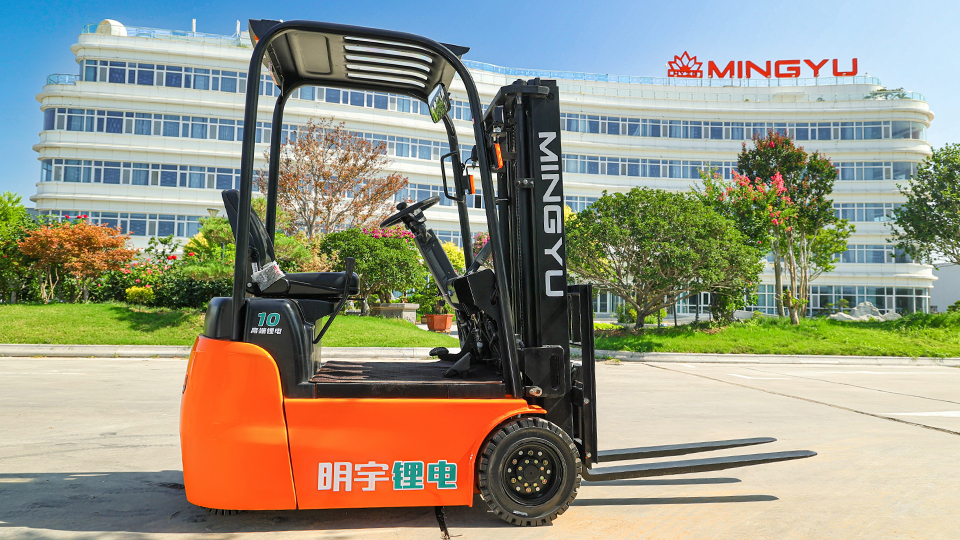
Engines and powertrains for internal combustion forklifts require scheduled maintenance including filter changes, valve adjustments, and timing inspections. Deferred maintenance accelerates wear and leads to expensive overhauls. For electric forklifts, motor brush replacement, controller inspection, and contactor maintenance prevent electrical failures that can damage multiple components.
Preventive Maintenance as a Cost Control Foundation
Preventive maintenance (PM) is the cornerstone of maintenance cost control. The relationship between PM investment and repair expense is well established: every dollar spent on prevention saves three to five dollars in corrective repairs, downtime, and secondary damage. Yet many organizations underinvest in PM, viewing it as discretionary spending rather than essential cost avoidance.
Effective PM programs are structured around manufacturer recommendations but customized to actual operating conditions. A forklift in a clean, climate-controlled warehouse faces different stresses than one in a foundry, freezer, or outdoor lumber yard. PM intervals should reflect these differences, with more frequent service for severe applications.
PM tasks should be comprehensive and consistently executed. Operator pre-shift inspections catch obvious problems before they cause failures. Scheduled services address lubrication, filtration, adjustment, and wear measurement. Major interval services inspect structural components, test safety systems, and evaluate remaining component life. Documentation of every service creates the maintenance history essential for warranty claims, resale value, and replacement timing.
PM program effectiveness should be measured through key performance indicators: PM completion rate, mean time between failures, maintenance cost per operating hour, and ratio of preventive to corrective maintenance hours. A healthy program achieves PM completion above 95%, with preventive work representing 70% or more of total maintenance labor.
Operator Impact on Maintenance Costs
Operator behavior is the single largest variable affecting forklift maintenance costs. Studies consistently indicate that 60% to 80% of forklift damage results from operator actions rather than equipment defects or wear. This damage is not limited to obvious collisions; it includes accelerated wear from improper operating techniques.
Impacts with racking, walls, docks, and other equipment damage masts, forks, carriage assemblies, and overhead guards. Even minor impacts create stress concentrations that lead to fatigue failures. Aggressive acceleration and braking increase tire wear, brake degradation, and drivetrain stress. Improper load handling—carrying loads too high, tilting incorrectly, or exceeding capacity—strains hydraulic systems and structural components.
Comprehensive operator training programs deliver exceptional returns on investment. Initial certification establishes baseline competency, but ongoing reinforcement sustains performance. Regular refresher training, behavior observation, and incident review keep proper techniques top of mind. Operators who understand that pre-shift inspections protect their safety and productivity perform them diligently rather than perfunctorily.
Accountability systems that track damage by operator enable targeted coaching rather than blanket reprimands. An operator with recurring impact damage may need spatial awareness training or vision correction. An operator with patterns of hydraulic system complaints may be mishandling loads. Data-driven coaching transforms operators from cost drivers into cost control partners.
Parts and Inventory Optimization
Parts management offers substantial cost reduction opportunities when approached strategically. The traditional extremes—comprehensive stocking of every possible part versus pure just-in-time ordering—both generate excessive costs. Optimization requires intelligent categorization and supplier management.
Critical safety components including brakes, steering components, and overhead guards must be available immediately. Stockout risks for these items are unacceptable. High-wear consumables such as filters, tires, and seals should be stocked at levels matching consumption rates, with reorder points based on lead times and usage velocity. Specialized or expensive components with long lead times can be managed through vendor-managed inventory, consignment arrangements, or strategic supplier partnerships.
Parts standardization across the fleet reduces inventory complexity and enables volume purchasing. Where fleet standardization is impractical, standardizing within equipment categories or applications achieves partial benefits. Aftermarket and remanufactured parts provide cost savings for non-critical components, but must be sourced from qualified suppliers with quality verification. Remanufactured engines, transmissions, and hydraulic pumps can deliver like-new performance at 40% to 60% of new component cost.
Fluid management through oil analysis programs extends change intervals when condition permits, reducing fluid consumption and disposal costs. Contamination control—clean storage, transfer equipment, and fill procedures—prevents premature fluid degradation and the component wear it causes.
Predictive and Condition-Based Maintenance
The evolution from preventive to predictive maintenance represents the next frontier in cost optimization. Predictive approaches use data and analytics to identify impending failures before they occur, enabling repairs at optimal times and preventing the secondary damage that sudden failures cause.
Telematics systems capture operational data including hours, impacts, fault codes, and utilization patterns. This data reveals which equipment is overworked, which operators need coaching, and which components are degrading. Impact monitoring automatically triggers inspection work orders when thresholds are exceeded, ensuring hidden damage is addressed before catastrophic failure.
Condition monitoring technologies extend these capabilities. Vibration analysis detects bearing wear in motors and pumps. Thermal imaging identifies electrical connection problems. Oil analysis reveals internal engine wear, coolant contamination, or fuel dilution. Battery monitoring systems track cell balance, temperature, and state of health to optimize charging and replacement timing.
Predictive maintenance typically reduces maintenance costs by 25% to 30% compared to preventive programs alone, while reducing unplanned downtime by 35% to 45%. Implementation requires investment in sensors, software, and analytical capabilities, but returns justify expenditure for fleets of sufficient size. Smaller operations can adopt simplified predictive approaches focusing on high-impact data points.
Strategic Replacement and Rebuild Decisions
The decision to repair, rebuild, or replace a forklift is among the most consequential in fleet management. Retaining equipment too long accelerates maintenance costs and increases downtime risk. Replacing too early wastes remaining useful life and incurs unnecessary capital expenditure.
Rebuild programs can extend useful life at 30% to 50% of replacement cost when applied to suitable candidates. A comprehensive rebuild addresses engine or motor, transmission, hydraulics, mast and carriage, electrical system, and safety features. However, rebuild decisions require objective assessment. Equipment with structural damage, obsolete safety systems, or chronic reliability problems may not be suitable. Each candidate should undergo thorough inspection and cost-benefit analysis comparing rebuild expense to replacement cost, factoring downtime, warranty, and technological improvements.
Replacement timing should consider not only maintenance costs but also productivity, safety technology, and operational requirements. New forklifts offer improved ergonomics reducing operator fatigue, advanced safety systems preventing incidents, and telematics enabling better fleet management. These benefits may justify replacement even when maintenance costs have not yet reached the economic threshold.
Conclusion
Forklift total cost of ownership analysis reveals that acquisition price is merely the entry fee into a much larger economic commitment. Maintenance costs, while substantial, are controllable through disciplined strategy and execution. The organizations that achieve lowest TCO are those that invest in measurement, prevention, training, and technology.
Effective cost control begins with understanding the maintenance cost curve and identifying the optimal replacement window. Component-level analysis targets interventions where they deliver greatest return. Preventive maintenance programs, rigorously executed, prevent the failures that drive emergency repairs and downtime. Operator training transforms the largest variable in maintenance costs from a cost driver to a cost control mechanism. Parts optimization, predictive technologies, and strategic rebuild decisions complete the cost control toolkit.
The unifying principle is that cost reduction and safety improvement are complementary, not conflicting, objectives. Equipment that is properly maintained is safer, more reliable, and more productive. The discipline required for maintenance excellence is the same discipline that prevents accidents and protects workers. Fleet managers who embrace this integrated perspective will achieve both economic optimization and operational excellence.
Name: selena
Mobile:+86-13176910558
Tel:+86-0535-2090977
Whatsapp:8613181602336
Email:vip@mingyuforklift.com
Add:Xiaqiu Town, Laizhou, Yantai City, Shandong Province, China