
vip@mingyuforklift.com
+86-0535-2090977

1. Powertrain Efficiency and Energy Conversion
The most fundamental advantage of electric forklifts lies in the physics of energy conversion. Internal combustion engines are limited by the Carnot cycle, where a significant portion of chemical energy is lost as heat and friction.
Thermal Efficiency vs. Electrical Efficiency
A modern diesel engine typically achieves a thermal efficiency of approximately 30% to 35%. In contrast, electric powertrains convert electricity to mechanical work with over 90% efficiency. This disparity is even more pronounced in "stop-and-go" warehouse environments. IC engines consume fuel while idling, whereas electric motors consume zero energy when the truck is stationary.
Regenerative Braking
Electric forklifts utilize regenerative braking systems.2 When the operator releases the accelerator or applies the brakes, the motor acts as a generator, converting the vehicle’s kinetic energy back into electrical energy and feeding it into the battery.
IC Forklifts: Energy is dissipated as heat through friction brakes, leading to component wear.
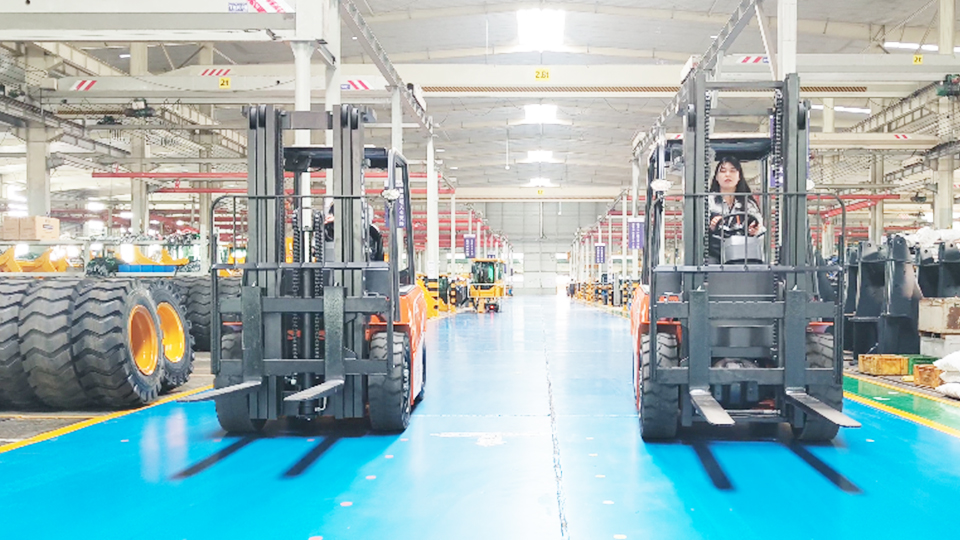
Electric Forklifts: Energy recovery can extend battery life by 10–15% per shift, depending on the duty cycle.
2. Maintenance Architecture and Reliability
The mechanical complexity of an IC forklift is its greatest liability. A diesel or LPG engine requires a cooling system, exhaust system, transmission, and hundreds of moving parts subjected to high heat and vibration.
Component Count and Wear
Electric forklifts are designed with a simplified architecture. They lack pistons, valves, spark plugs, fuel injectors, and radiators.
Oil and Filters: Electric trucks eliminate the need for engine oil, oil filters, and coolant, significantly reducing the volume of hazardous waste and the labor hours required for "PM" (preventive maintenance).3
Brake Longevity: Because regenerative braking handles a significant portion of the deceleration, the physical brake pads and discs on electric units often last three to four times longer than those on IC units.
Brushless AC Motors
Modern electric fleets have largely transitioned from DC to Brushless AC Motors. These motors have no contact brushes to wear out or create sparks, making them virtually maintenance-free and safer for environments with combustible dust or vapors.
3. Total Cost of Ownership (TCO) Analysis
While the initial purchase price of an electric forklift (including the battery and charger) is typically 20% to 40% higher than a comparable LPG or diesel unit, the TCO favors electricity over a 5-year lifecycle.
Fuel vs. Electricity Costs
As of 2025, the cost per kilowatt-hour (kWh) of electricity remains significantly more stable and lower than the equivalent energy cost of diesel or LPG.4
| Metric | Electric (Li-ion) | LPG/Diesel |
| :--- | :--- | :--- |
| Energy Cost/Hour | $1.50 – $3.00 | $5.00 – $10.00 |
| Annual Maintenance | $1,000 – $2,000 | $2,500 – $4,500 |
| Service Interval | 500–1,000 Hours | 250–500 Hours |
Battery ROI: Lithium-Ion vs. Lead-Acid
The emergence of Lithium-Ion (Li-ion) technology has removed the "battery swapping" bottleneck.5 Li-ion batteries support opportunity charging, allowing operators to plug in during 15-minute breaks.6 This eliminates the need for dedicated battery rooms and spare battery inventories required by older lead-acid or high-output IC fleets.7
4. Environmental and Occupational Health
The transition to electric is often driven by air quality regulations and the "Green Warehouse" initiative.8
Zero Tailpipe Emissions
IC forklifts emit Carbon Monoxide (9$CO$), Nitrogen Oxides (10$NO_x$), and particulate matter.11 In indoor environments, this necessitates expensive HVAC and ventilation systems to maintain OSHA-compliant air quality. Electric forklifts produce zero local emissions, protecting workers from respiratory issues and preventing the contamination of sensitive goods like food or pharmaceuticals.12
Noise and Vibration
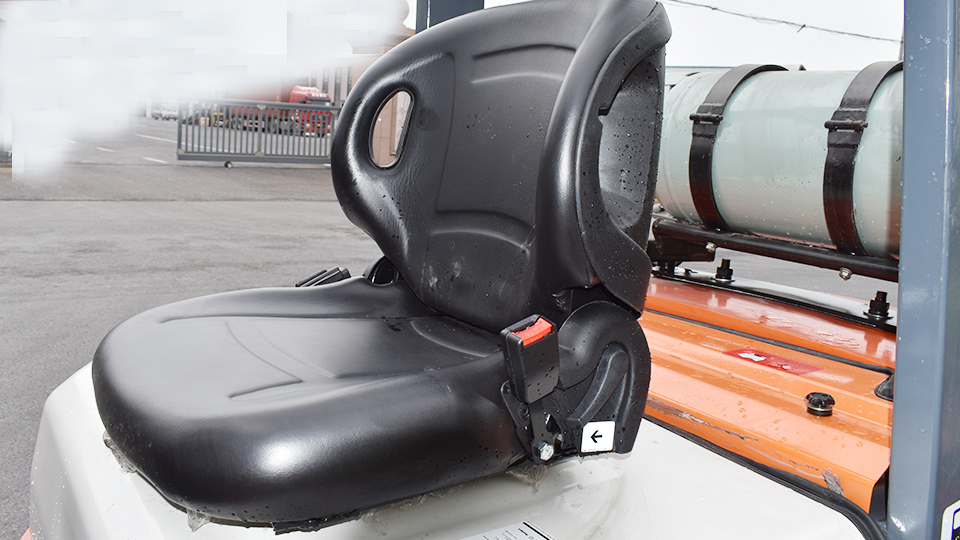
Extended exposure to the high-decibel roar and low-frequency vibration of a diesel engine contributes to operator fatigue and long-term hearing loss.13
Diesel/LPG: Typically operates at 80–100 dB.
Electric: Operates at 60–70 dB (comparable to a normal conversation).14
Lower noise levels improve warehouse safety by allowing operators to better hear horns, pedestrian footsteps, and rack-related alerts.15
5. Performance in 2025: Closing the Gap
Historically, diesel was the only choice for outdoor, rugged terrain. Today, high-voltage (80V to 150V) electric pneumatics have entered the market.16
Torque on Demand: Electric motors provide 100% of their rated torque at 0 RPM. This allows for superior "gradeability" (climbing ramps) compared to IC engines that must rev up to reach their torque peak.
Weatherproofing: Modern electric units feature IP65-rated enclosures for motors and controllers, allowing them to operate in rain and snow—previously the exclusive domain of diesel.
Conclusion
The technical advantages of electric forklifts—driven by superior energy efficiency, reduced mechanical complexity, and lower operating costs—make them the superior choice for most modern industrial applications. While IC forklifts still hold a niche in ultra-heavy-duty port operations or remote sites without power infrastructure, the "Electric First" policy is becoming the standard for 2025 and beyond.
Name: selena
Mobile:+86-13176910558
Tel:+86-0535-2090977
Whatsapp:8613181602336
Email:vip@mingyuforklift.com
Add:Xiaqiu Town, Laizhou, Yantai City, Shandong Province, China