
vip@mingyuforklift.com
+86-0535-2090977

Introduction
Forklift operator training is not merely a professional development opportunity—it is a federally mandated safety requirement under OSHA's 29 CFR 1910.178 regulation. With powered industrial trucks ranking among the most frequently cited OSHA violations and penalties reaching up to $165,514 for willful violations, understanding where to complete legitimate training is critical for both aspiring operators and employers. This technical guide examines the full spectrum of training providers, compliance frameworks, geographic considerations, and quality indicators to help you identify the most appropriate certification pathway for your specific circumstances.
The Regulatory Foundation: What OSHA Actually Requires
Before evaluating training locations, it is essential to understand the regulatory framework governing forklift operator qualification. Contrary to popular belief, OSHA does not issue forklift "licenses," maintain a federal operator registry, or accredit training providers. Instead, the regulation places compliance responsibility squarely on employers, who must ensure each operator is competent to safely operate the specific equipment in their workplace.
OSHA's training requirements consist of three mandatory components: formal instruction (classroom or equivalent), practical hands-on training, and a workplace performance evaluation. The employer must document certification including the operator's name, training dates, evaluator identity, and confirmation that the operator has been trained and evaluated. This employer-centric framework means that while third-party providers can deliver training components, ultimate compliance verification rests with the hiring organization.
This regulatory reality fundamentally shapes the training marketplace. Providers offering "universal certification" without employer evaluation are technically providing only partial compliance. Understanding this distinction is crucial when selecting where to complete your training.
Primary Training Provider Categories
Employer-Sponsored Internal Programs
For currently employed individuals, the most direct training pathway is through employer-sponsored programs. Large organizations in warehousing, manufacturing, logistics, and construction frequently maintain internal training departments or contract providers for on-site instruction. These programs offer significant advantages: they are typically free for employees, cover company-specific equipment and operational procedures, and satisfy OSHA requirements without additional steps.
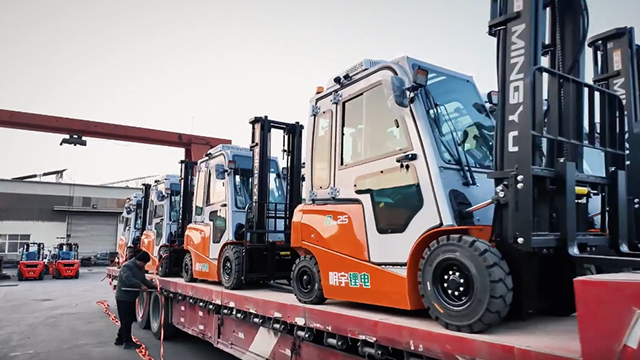
Many employers utilize "train-the-trainer" models, qualifying experienced operators as internal instructors. OSHA explicitly states that trainers need not hold specific certifications but must possess "the knowledge, training, and experience to train powered industrial truck operators and evaluate their competence." This flexibility enables organizations to develop cost-effective, tailored programs.
However, employer-sponsored training presents challenges for job seekers. Many positions require pre-existing certification, creating a barrier for entry-level candidates. Additionally, internal certifications may not transfer between employers if training was equipment-specific or documentation was minimal. For employed individuals, though, this remains the most efficient and economically favorable pathway.
Vocational and Technical Schools
Community colleges, technical institutes, and vocational schools represent traditional brick-and-mortar options for forklift operator training. These institutions typically offer structured programs combining comprehensive classroom theory with supervised hands-on practice using institutional equipment fleets.
Vocational programs excel in providing rigorous educational environments with experienced instructors, diverse equipment types, and established curricula. Many maintain partnerships with local employers and workforce development boards, offering job placement assistance and funding opportunities. Costs typically range from $150 to $500, with some programs eligible for unemployment insurance training allowances or trade adjustment assistance.
The primary limitation of vocational programs is equipment specificity. Training centers may use generic or older model forklifts rather than the specific brands and configurations found in particular workplaces. While OSHA compliance is satisfied, newly certified operators may still require employer-specific familiarization with proprietary controls, attachments, or operational environments.
Geographic accessibility varies significantly. Urban and industrial regions typically feature multiple vocational options with flexible scheduling, while rural areas may require travel to regional centers. Many community colleges now offer hybrid models combining online theoretical instruction with concentrated weekend or evening practical sessions.
Specialized Forklift Training Centers
Dedicated training facilities focusing exclusively on powered industrial truck instruction represent a growing segment of the market. These centers typically maintain extensive equipment inventories including counterbalance forklifts, reach trucks, order pickers, pallet jacks, and rough terrain models. They cater specifically to immediate employment needs, often offering same-day or next-day certification options.
Specialized centers frequently serve the construction, warehousing, and logistics sectors, understanding the urgency of employment-driven training requests. They typically provide wallet cards and certificates immediately upon completion, which job seekers can present to potential employers during the application process. Pricing generally ranges from $200 to $600 depending on equipment coverage and program depth.
The critical quality variable among specialized centers is the practical evaluation component. Legitimate facilities provide comprehensive hands-on assessment using actual equipment, while less scrupulous operators may emphasize rapid certificate issuance over genuine competency verification. Prospective students should verify that practical training constitutes a substantial portion of the program rather than a brief demonstration.
Equipment Manufacturer and Dealer Networks
Major forklift manufacturers—including Toyota Material Handling, Raymond Corporation, Crown Equipment, and Hyster-Yale Group—operate formal training programs through their authorized dealer networks. These manufacturer-specific programs offer deep technical expertise in particular equipment lines, covering proprietary control systems, maintenance requirements, and operational optimization.
Manufacturer training proves particularly valuable for organizations standardizing on specific brands, as operators gain intimate familiarity with equipment nuances that generic programs may overlook. For individual operators, manufacturer certification can enhance employability with companies utilizing those brands, signaling specialized expertise to hiring managers.
These programs often command premium pricing ($300 to $1,000+) and may require travel to regional training centers. However, they typically include comprehensive materials, extended support resources, and recognition within dealer service networks. Some manufacturers offer "operator safety training" programs that, while brand-focused, satisfy OSHA's general requirements when combined with employer evaluation.
Online and Blended Learning Platforms
The digital transformation of workforce training has significantly expanded access to theoretical instruction. Online providers such as the National Forklift Foundation, CertifyMe.net, and OSHA Education Center offer interactive video modules covering regulatory requirements, safety principles, and operational procedures. These platforms typically price between $49 and $200, providing immediate certificate generation, unlimited exam retakes, and multilingual options.
However, critical regulatory limitations apply. OSHA explicitly mandates that online training serve only the formal instruction component; the practical hands-on training and workplace evaluation must occur in-person with actual equipment. Providers advertising "100% online certification" without hands-on components do not satisfy OSHA requirements, though they may provide useful theoretical foundations for subsequent practical training.
Legitimate blended programs structure certification in two phases: online theoretical completion followed by employer or provider-conducted practical evaluation. Some platforms maintain networks of affiliated evaluators or partner with local facilities to arrange hands-on sessions. The National Forklift Foundation, for example, issues certificates after online completion but explicitly states that employers must provide hands-on training and sign-off before operators can legally operate equipment.
Geographic Accessibility and Local Market Dynamics
Urban and Industrial Hub Availability
Training provider density correlates strongly with industrial activity and logistics infrastructure. Major distribution corridors—such as California's Inland Empire, the Chicago metropolitan area, Dallas-Fort Worth, Atlanta, and the New Jersey/New York port region—feature numerous training options with competitive pricing and flexible scheduling. These markets support specialized centers, vocational programs, and manufacturer facilities within reasonable commuting distance.
In dense markets, operators can comparison shop based on equipment types, instructor qualifications, schedule flexibility, and cost. Many providers offer evening and weekend sessions to accommodate working professionals. The competitive environment generally drives quality improvements and transparent pricing.
Rural and Underserved Regions
Individuals in rural or semi-rural areas face distinct challenges in accessing training. Local options may be limited to occasional community college offerings or employer-sponsored programs. Several strategies can address these geographic constraints:
Regional vocational centers often serve wide catchment areas, sometimes offering mobile training units or concentrated multi-day sessions to minimize travel frequency. Mobile training providers bring equipment directly to employer sites or community locations, though minimum enrollment requirements may apply. Online theoretical components combined with employer-provided practical evaluation can reduce travel requirements, particularly for individuals with pending job offers.
Some states operate workforce development initiatives specifically addressing rural training access, providing travel stipends or subsidized mobile training programs. Contacting state labor departments or workforce boards can identify these resources.
Verification of Local Provider Legitimacy
The training marketplace contains providers offering non-compliant or fraudulent certification. Rigorous verification is essential before investing time and money. Legitimate providers should demonstrate:
OSHA-aligned curriculum explicitly addressing 29 CFR 1910.178 required topics, including truck-related subjects (operating instructions, warnings, controls, capacity, stability) and workplace-related subjects (surface conditions, load composition, pedestrian traffic, hazardous locations).
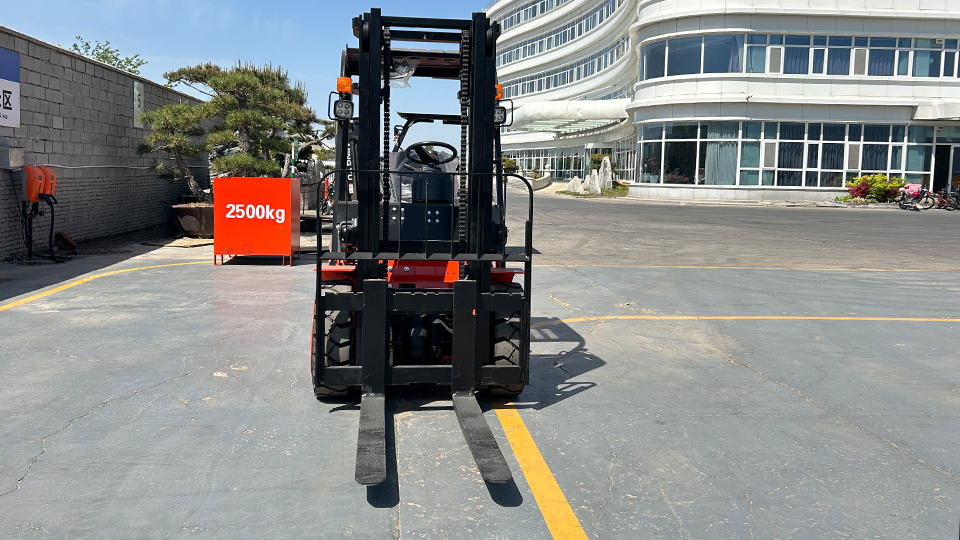
Practical evaluation capability through on-site equipment or clear partnerships with employers/evaluators who can provide hands-on assessment. Facilities should allow inspection of training equipment and observation of practical sessions.
Qualified instructors with documented experience operating forklifts and conducting evaluations. While OSHA does not require specific instructor certifications, trainers must possess sufficient knowledge and experience to ensure competent instruction.
Comprehensive documentation including certificates with all OSHA-required elements: operator name, training date, evaluation date, and evaluator identity. Documentation should specify the equipment types covered by the certification.
The Training Process: Technical Steps and Timelines
Step 1: Define Certification Scope
OSHA requires operators to be trained and evaluated on the specific equipment types they will operate. Powered industrial trucks are classified into seven categories:
Class I: Electric Motor Rider Trucks
Class II: Electric Motor Narrow Aisle Trucks
Class III: Electric Motor Hand Trucks or Hand/Rider Trucks
Class IV: Internal Combustion Engine Trucks (Solid/Cushion Tires)
Class V: Internal Combustion Engine Trucks (Pneumatic Tires)
Class VI: Electric and Internal Combustion Engine Tractors
Class VII: Rough Terrain Forklift Trucks
Operators seeking broad employability should pursue certification across multiple classes, though this increases training duration and cost. At minimum, certification should cover equipment types prevalent in target employment sectors. Warehouse positions typically require Class I, II, and III coverage, while construction roles may necessitate Class V and VII certification.
Step 2: Complete Formal Instruction
The theoretical component covers safety principles, operational procedures, and regulatory requirements. Modern programs utilize video instruction, interactive modules, written materials, and instructor-led presentations. Essential topics include:
Fundamental differences between forklift and automobile operation
Stability triangle principles and load capacity calculations
Pre-operational inspection procedures and documentation
Battery charging and refueling safety protocols
Pedestrian awareness and traffic management
Ramp, incline, and uneven surface operation
Hazardous location classifications and precautions
Online platforms typically require 1–2 hours for completion, while classroom programs may span 4–8 hours. Assessment usually involves a written or computerized exam with passing thresholds around 70%, with retake options for initial failures.
Step 3: Conduct Practical Hands-On Training
This critical component requires supervised operation of actual equipment under qualified instruction. Trainees must demonstrate competency in:
Systematic pre-operational inspections (forks, mast, hydraulics, brakes, lights, horn, tires)
Safe startup and shutdown sequences
Maneuvering in confined spaces and tight turning radiuses
Load picking, transporting, and precise placement
Stacking and unstacking operations at various heights
Ramp navigation and grade operation
Proper parking and equipment securing procedures
Practical training duration varies based on trainee aptitude, equipment complexity, and class coverage, typically requiring several hours of supervised practice before evaluation readiness.
Step 4: Perform Competency Evaluation
A qualified evaluator observes the operator performing typical workplace tasks, assessing performance against established safety and operational criteria. The evaluation must occur in an environment representative of actual working conditions. OSHA emphasizes that evaluation must be "site-specific and equipment-specific," meaning generic evaluations may require supplementation for particular employers.
Upon successful demonstration of competency, the evaluator issues certification documentation including all required regulatory elements. This documentation serves as the legal authorization to operate covered equipment.
Step 5: Maintain Currency Through Recertification
OSHA mandates re-evaluation at least every three years. However, refresher training is required immediately upon:
Involvement in an accident or near-miss incident
Observation of unsafe operation by supervisors or peers
Assignment to different equipment types not covered by initial certification
Significant changes in workplace conditions affecting safe operation
Some providers offer complimentary or discounted refresher training for initial certification holders, though employers retain responsibility for conducting mandatory three-year evaluations.
Cost Structures and Economic Considerations
Training costs vary dramatically based on provider type, location, program comprehensiveness, and equipment coverage:
Online theoretical instruction only: $49–$200
Community college/vocational programs: $150–$500
Specialized training centers: $200–$600
Manufacturer/dealer programs: $300–$1,000+
Employer-sponsored training: Typically free for employees
When evaluating cost, consider total compliance value rather than initial price alone. A $49 online certificate without hands-on evaluation may prove insufficient for employment if employers must provide complete retraining. Conversely, comprehensive programs including diverse equipment access and thorough evaluation may offer superior long-term value despite higher upfront investment.
Some employers offer tuition reimbursement for pre-employment certification, recognizing the value of hiring trained operators. Job seekers should inquire about such programs during application processes. Additionally, workforce development grants, unemployment insurance training allowances, and veterans' education benefits may offset certification costs.
Common Pitfalls and Compliance Warnings
The training marketplace contains numerous problematic offerings that fail to satisfy OSHA requirements. Critical warning signs include:
"Instant" online certification without practical components: OSHA requires hands-on evaluation; purely online certificates may not be accepted by compliant employers and do not satisfy regulatory requirements for unsupervised operation.
Claims of OSHA accreditation or endorsement: OSHA does not accredit, approve, or certify training providers. Any provider claiming "OSHA certification" or "OSHA-approved" status is misrepresenting their credentials.
Incomplete documentation: Valid certification must include operator name, training date, evaluation date, and evaluator identity. Missing elements create compliance vulnerabilities.
Generic certification without equipment specification: Statements of being "forklift certified" without specifying covered classes may not authorize operation of assigned equipment types.
Excessive promises of duration: While thorough training takes time, programs claiming weeks of instruction for basic certification may be inefficient rather than comprehensive.
Emerging Trends and Future Considerations
The forklift training landscape continues evolving with technological and regulatory developments. Real-Time Location Systems (RTLS), telemetry integration, and digital audit trails are increasingly incorporated into training programs, providing automated documentation of operator behavior and recertification scheduling.
The proliferation of automated guided vehicles (AGVs) and semi-autonomous forklifts is prompting updates to ANSI B56.5 standards, which OSHA may incorporate into future enforcement frameworks. Operators should monitor these developments to ensure ongoing compliance.
The Warehousing National Emphasis Program (NEP), extended through mid-2026, increases inspection frequency in high-injury facilities, making robust certification documentation and training records more critical than ever.
Conclusion
Completing forklift operator training requires navigating a complex ecosystem of providers, regulatory requirements, and employment market dynamics. The optimal training location depends on individual circumstances: employed individuals should prioritize employer-sponsored programs; job seekers in industrial hubs can select from vocational schools, specialized centers, and legitimate blended online programs; those in remote areas may need to travel or seek mobile training solutions.
Regardless of provider selection, fundamental compliance requirements remain constant: formal instruction, hands-on practical training, and workplace-specific evaluation documented with all required elements. Operators should prioritize genuine competency development over rapid credential acquisition, recognizing that thorough training not only satisfies OSHA but fundamentally reduces the 85,000+ annual forklift-related injuries and 85 fatalities that make proper training a matter of life safety.
By applying rigorous verification standards to provider selection, understanding the employer-based compliance framework, and ensuring certification covers relevant equipment types, operators can secure legitimate credentials that enhance employability while contributing to safer workplaces. The investment in proper training—typically $150 to $600 for comprehensive programs—pales in comparison to the human and financial costs of inadequate preparation in an industry where operational competency is not merely professionally valuable, but legally and morally imperative.
Name: selena
Mobile:+86-13176910558
Tel:+86-0535-2090977
Whatsapp:8613181602336
Email:vip@mingyuforklift.com
Add:Xiaqiu Town, Laizhou, Yantai City, Shandong Province, China