
vip@mingyuforklift.com
+86-0535-2090977

Introduction
The global material handling industry is undergoing a profound technological transition. For decades, electric forklifts powered by lead-acid batteries dominated warehouse and manufacturing operations, offering a cleaner alternative to internal combustion engines while maintaining the reliability that industrial operations demand. However, over the past decade, a quiet revolution has reshaped the landscape: lithium-ion battery technology, originally developed and scaled for consumer electronics and electric vehicles, has increasingly displaced lead-acid systems in industrial forklift applications.
This shift is not merely incremental improvement—it represents a fundamental reimagining of how motive power can be delivered in material handling equipment. Overseas enterprises, particularly in North America, Europe, and developed Asian markets, have been at the forefront of this adoption curve. Understanding why lithium battery forklifts have gained such traction requires examining the confluence of technological advancement, economic pressure, operational efficiency demands, and evolving regulatory frameworks that have made lithium-ion power not just viable but increasingly indispensable in modern logistics operations.
The Technological Foundation: From Lead-Acid to Lithium-Ion
To appreciate the significance of lithium battery forklifts, one must first understand the limitations of the incumbent technology. Lead-acid batteries have powered electric forklifts since the mid-20th century, and their operational model is well understood. These batteries require regular watering, equalization charging, and cool-down periods. They are heavy, maintenance-intensive, and suffer from voltage sag as their state of charge depletes. A typical lead-acid battery forklift requires a dedicated battery room, multiple battery sets for multi-shift operations, and substantial infrastructure for charging and maintenance.
Lithium-ion batteries, by contrast, operate on fundamentally different electrochemical principles. Using lithium iron phosphate (LiFePO4) chemistry—preferred in industrial applications for its thermal stability, safety profile, and cycle life—lithium batteries deliver consistent voltage throughout their discharge curve. They do not require watering, emit no gases during charging, and can be opportunity-charged during short breaks without degradation. These characteristics may seem modest when listed individually, but their cumulative impact on operations, cost structures, and facility design is transformative.
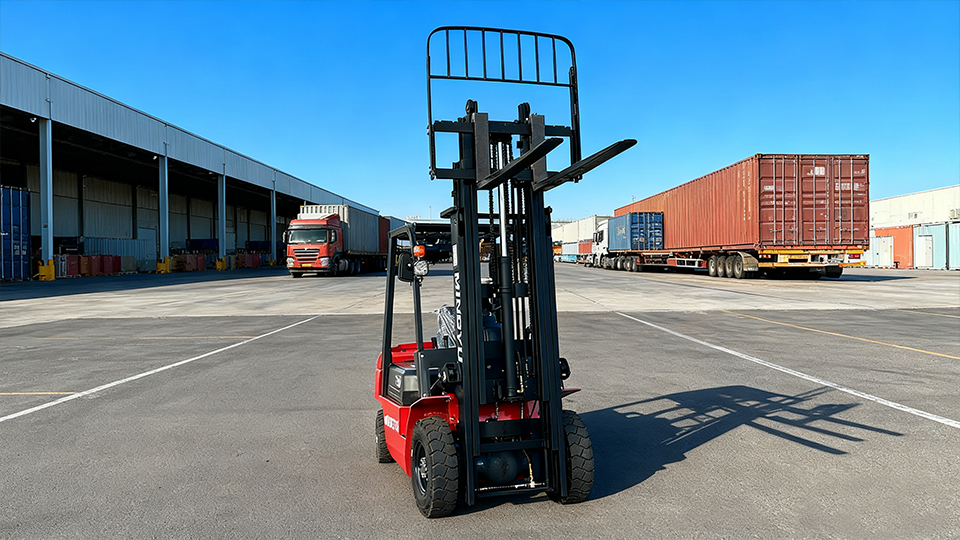
Operational Efficiency: Eliminating Downtime
The most immediate and tangible benefit driving lithium battery forklift adoption is the dramatic reduction in operational downtime. In high-throughput distribution centers, manufacturing facilities, and third-party logistics operations, downtime represents the single greatest enemy of productivity.
Traditional lead-acid battery operations require a structured battery change protocol. When a battery reaches approximately 20 percent state of charge, the forklift must be driven to a battery change station, where a depleted battery—often weighing 2,000 to 4,000 pounds—is mechanically extracted and replaced with a fully charged unit. This process consumes 20 to 30 minutes per change, requires dedicated personnel and equipment, and interrupts workflow precisely when demand is highest. Facilities operating multiple shifts must maintain battery inventories of 1.5 to 2 times their forklift fleet size to sustain operations.
Lithium battery forklifts eliminate this paradigm entirely. Opportunity charging—topping off the battery during operator breaks, shift changes, or any idle period of 15 minutes or more—keeps the forklift in continuous service throughout an entire shift and across multiple shifts. The battery remains in the vehicle permanently, and charging infrastructure can be distributed strategically throughout the facility rather than centralized in a dedicated battery room. For overseas enterprises operating in competitive markets where labor costs are high and throughput expectations are relentless, this operational continuity translates directly to improved key performance indicators and customer satisfaction metrics.
Total Cost of Ownership: A Shift in Economic Paradigm
While lithium battery forklifts typically command a 20 to 40 percent premium in initial acquisition cost compared to their lead-acid counterparts, overseas enterprises have increasingly recognized that total cost of ownership (TCO) analysis overwhelmingly favors lithium-ion technology over the equipment lifecycle.
The TCO advantage begins with battery life. Lead-acid batteries in typical forklift duty cycles deliver approximately 1,000 to 1,500 charge cycles before capacity degradation necessitates replacement. Lithium iron phosphate batteries routinely achieve 3,000 to 5,000 cycles, with some manufacturers warranting performance for up to 10 years or 10,000 cycles. This longevity alone can eliminate two to three battery replacement cycles over the forklift's operational life.
Maintenance cost reductions compound the savings. Lead-acid batteries require weekly watering with deionized water, periodic equalization charges, terminal cleaning, and acid spill management. These activities demand labor hours, consumable supplies, and dedicated maintenance staff. Lithium batteries are sealed systems requiring no watering, no equalization, and minimal maintenance beyond standard vehicle servicing. For enterprises operating fleets of 50, 100, or 500 units, the cumulative labor savings are substantial.
Energy efficiency further tilts the economic balance. Lithium-ion batteries charge with approximately 95 percent energy efficiency, compared to 75 to 85 percent for lead-acid systems. The energy density of lithium technology means that less electricity is wasted as heat during charging, and opportunity charging at higher rates reduces overall energy consumption. Over thousands of charge cycles, these efficiency gains accumulate into meaningful cost reductions, particularly in regions with elevated electricity rates.
Space Optimization and Facility Design
Overseas enterprises operating in premium real estate markets—distribution centers near major ports, urban fulfillment hubs, and manufacturing campuses in densely populated regions—face intense pressure to maximize the productive use of every square foot.
Lead-acid battery operations impose significant spatial demands. Battery rooms require ventilation systems to manage hydrogen gas emissions during charging, spill containment infrastructure for electrolyte management, and cranes or change equipment for battery handling. These rooms often occupy 500 to 2,000 square feet or more, depending on fleet size, in facilities where space carries substantial cost.
Lithium battery forklifts liberate this space. Charging can occur at distributed stations throughout the facility, or even at individual operator workstations. No battery room is required. No ventilation infrastructure is necessary. The freed space can be repurposed for inventory storage, value-added services, or additional production capacity—directly contributing to revenue generation rather than supporting infrastructure.
Sustainability and Corporate Responsibility
Environmental, social, and governance (ESG) considerations have moved from peripheral corporate initiatives to central strategic priorities for overseas enterprises. Investors, regulators, and consumers increasingly scrutinize the environmental footprint of supply chain operations, and material handling represents a significant component of that footprint.
Lead-acid batteries carry substantial environmental baggage. Their production involves lead smelting, sulfuric acid handling, and energy-intensive manufacturing processes. At end of life, they require specialized recycling to prevent lead contamination. Charging generates hydrogen gas, necessitating ventilation and creating potential safety hazards. The lower energy efficiency of lead-acid systems results in higher overall electricity consumption and associated carbon emissions.
Lithium iron phosphate batteries offer a cleaner profile. They contain no toxic lead or acid, produce no emissions during charging, and their superior energy efficiency reduces the carbon intensity of operations. While lithium battery recycling infrastructure is still maturing compared to lead-acid recycling, the extended service life of lithium batteries means fewer total units require disposal over a given operational period. For enterprises publishing sustainability reports, pursuing carbon neutrality targets, or responding to customer sustainability audits, lithium battery forklifts provide measurable environmental benefits that support broader corporate commitments.
Safety and Workplace Environment
Industrial safety is non-negotiable, and lithium battery technology offers multiple safety advantages that resonate with overseas enterprises operating under stringent occupational health regulations.
Lead-acid batteries present several inherent hazards. Sulfuric acid exposure risks chemical burns. Hydrogen gas generation during charging creates explosion risks if ventilation is inadequate. The physical weight of batteries—often exceeding two tons—creates crush hazards during change operations. Electrolyte spills can damage flooring and create slip hazards.
Lithium iron phosphate batteries mitigate these risks. The chemistry is inherently more stable than other lithium-ion variants, with excellent thermal runaway resistance. No acid is present. No hydrogen is generated. The battery remains permanently installed, eliminating heavy lifting hazards. Modern lithium battery management systems incorporate sophisticated monitoring of cell temperatures, voltages, and currents, with automatic shutdown capabilities if anomalies are detected. For safety officers and risk managers in overseas enterprises, these characteristics reduce incident potential and simplify compliance with workplace safety regulations.
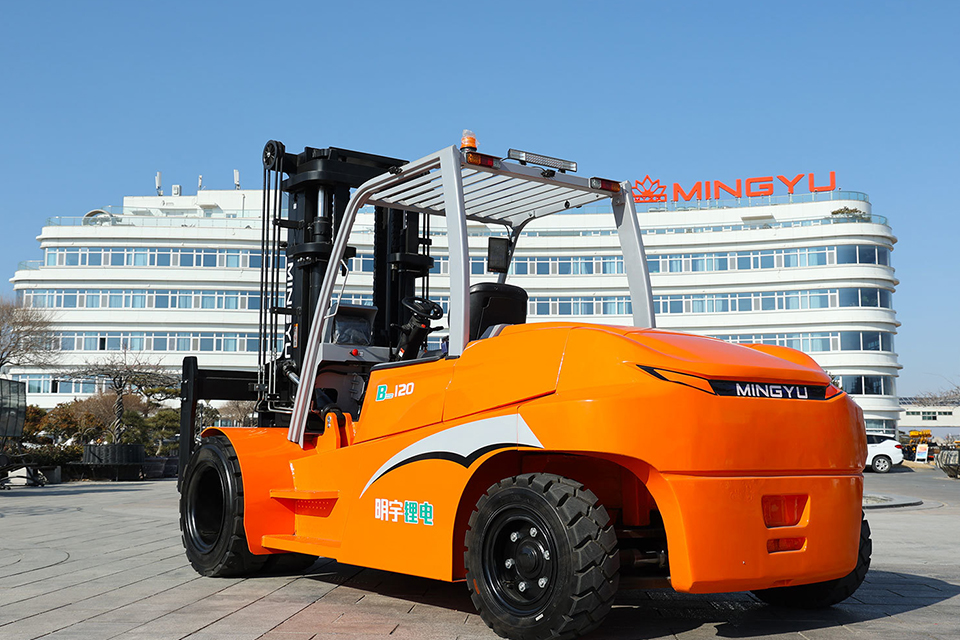
Performance Consistency and Operator Satisfaction
Operator experience directly influences productivity, retention, and safety outcomes. Lithium battery forklifts deliver performance characteristics that enhance the operator experience in measurable ways.
Lead-acid batteries exhibit significant voltage sag as they discharge. A forklift operating at 20 percent battery charge delivers noticeably reduced acceleration, slower lift speeds, and diminished hydraulic performance compared to a fully charged unit. Operators must adapt their driving style throughout the shift, and the degraded performance can increase cycle times and fatigue.
Lithium batteries maintain consistent voltage output across nearly their entire discharge range. A lithium-powered forklift at 10 percent state of charge performs identically to one at 90 percent. This consistency allows operators to maintain uniform work rhythms, reduces the cognitive burden of adapting to changing equipment behavior, and eliminates the frustration of sluggish performance late in a shift. In competitive labor markets where operator retention is challenging, equipment that reduces physical and mental strain contributes to workforce stability.
Regulatory Tailwinds and Market Maturity
The adoption of lithium battery forklifts among overseas enterprises has been accelerated by favorable regulatory trends and market maturation.
In the European Union, increasingly stringent emissions regulations and indoor air quality standards have made internal combustion forklifts impractical for many applications, while simultaneously encouraging cleaner electric alternatives. The European Green Deal and associated industrial strategies explicitly promote electrification of logistics equipment. North American enterprises face similar pressures from EPA regulations, OSHA indoor air quality guidelines, and state-level emissions mandates.
Simultaneously, the lithium battery supply chain has matured dramatically. Battery costs have declined by approximately 85 percent over the past decade, driven by scale economies from electric vehicle production. Industrial battery manufacturers have developed forklift-specific form factors, thermal management systems, and battery management software that integrate seamlessly with original equipment manufacturer platforms. Warranty terms have expanded, with many suppliers now offering 5-year or longer performance guarantees that reduce customer risk and accelerate return on investment.
Fleet Management and Data Integration
Modern overseas enterprises increasingly rely on data-driven fleet management to optimize utilization, schedule maintenance, and control costs. Lithium battery forklifts are inherently more compatible with digital fleet management ecosystems than lead-acid alternatives.
Integrated battery management systems (BMS) in lithium batteries generate rich data streams: state of charge, cell-level voltages, temperature profiles, charge cycle counts, and fault codes. This data can be transmitted wirelessly to fleet management platforms, enabling predictive maintenance, optimal charging scheduling, and real-time operational visibility. Managers can identify underutilized assets, detect emerging battery issues before they cause failures, and optimize charging infrastructure deployment based on actual usage patterns.
Lead-acid batteries offer minimal native data capability. State of charge estimation is approximate, based on voltage measurement that varies with temperature and load. Condition monitoring requires manual intervention. The absence of granular data limits the effectiveness of fleet optimization initiatives that overseas enterprises increasingly view as competitive necessities.
Adaptability to Diverse Applications
The versatility of lithium battery technology has expanded its applicability across industries and operating environments that were traditionally served by internal combustion forklifts.
Cold storage operations represent a compelling example. Lead-acid batteries suffer severe capacity degradation in refrigerated and frozen environments, often losing 30 to 50 percent of their effective capacity at sub-zero temperatures. Lithium iron phosphate batteries maintain significantly better cold-weather performance, with minimal capacity loss and no requirement for battery warming protocols. This characteristic has driven rapid adoption in food distribution, pharmaceutical logistics, and cold chain operations among overseas enterprises.
Outdoor and semi-outdoor applications have similarly benefited. While pure indoor warehouse applications remain the primary domain, lithium battery forklifts with appropriate IP ratings and thermal management are increasingly deployed in covered loading docks, cross-dock facilities, and manufacturing yards where lead-acid batteries previously struggled with temperature extremes and exposure.
Challenges and Considerations
Despite the overwhelming trend toward adoption, overseas enterprises must navigate certain challenges when transitioning to lithium battery forklifts.
Initial capital investment remains higher, requiring CFOs and procurement teams to adopt longer-term TCO perspectives rather than focusing on acquisition price alone. Charging infrastructure must be planned and installed, though this cost is typically offset by eliminated battery room requirements. Fire safety protocols must be updated to address lithium battery characteristics, even though LiFePO4 chemistry presents substantially lower fire risk than other lithium-ion variants. Technician training must cover high-voltage systems and battery management diagnostics.
Additionally, enterprises with existing lead-acid fleets face transition timing decisions. Gradual replacement during natural fleet turnover minimizes capital shock but extends the period of mixed infrastructure. Full fleet conversions deliver maximum benefit realization but require substantial upfront investment and operational coordination.
Conclusion
The increasing popularity of lithium battery forklifts among overseas enterprises is not a fleeting trend but a structural shift driven by the convergence of technological maturity, economic rationality, and strategic necessity. The operational advantages—eliminated downtime, reduced maintenance, consistent performance, and space optimization—directly address the productivity imperatives that define competitive logistics. The economic case, viewed through total cost of ownership, overwhelmingly favors lithium-ion despite higher initial investment. The alignment with sustainability commitments and regulatory trajectories positions lithium battery forklifts as future-proof investments rather than incremental improvements.
For overseas enterprises navigating labor shortages, escalating real estate costs, carbon reduction mandates, and relentless customer expectations, lithium battery forklifts represent not merely an equipment choice but a strategic enabler of operational excellence. As battery technology continues to advance and costs further decline, the transition from lead-acid to lithium-ion will likely accelerate, eventually rendering the legacy technology obsolete in all but the most specialized applications. The enterprises that have already made this transition are not merely adopting new equipment—they are redefining what is possible in material handling efficiency.
Name: selena
Mobile:+86-13176910558
Tel:+86-0535-2090977
Whatsapp:8613181602336
Email:vip@mingyuforklift.com
Add:Xiaqiu Town, Laizhou, Yantai City, Shandong Province, China
