vip@mingyuforklift.com
+86-0535-2090977

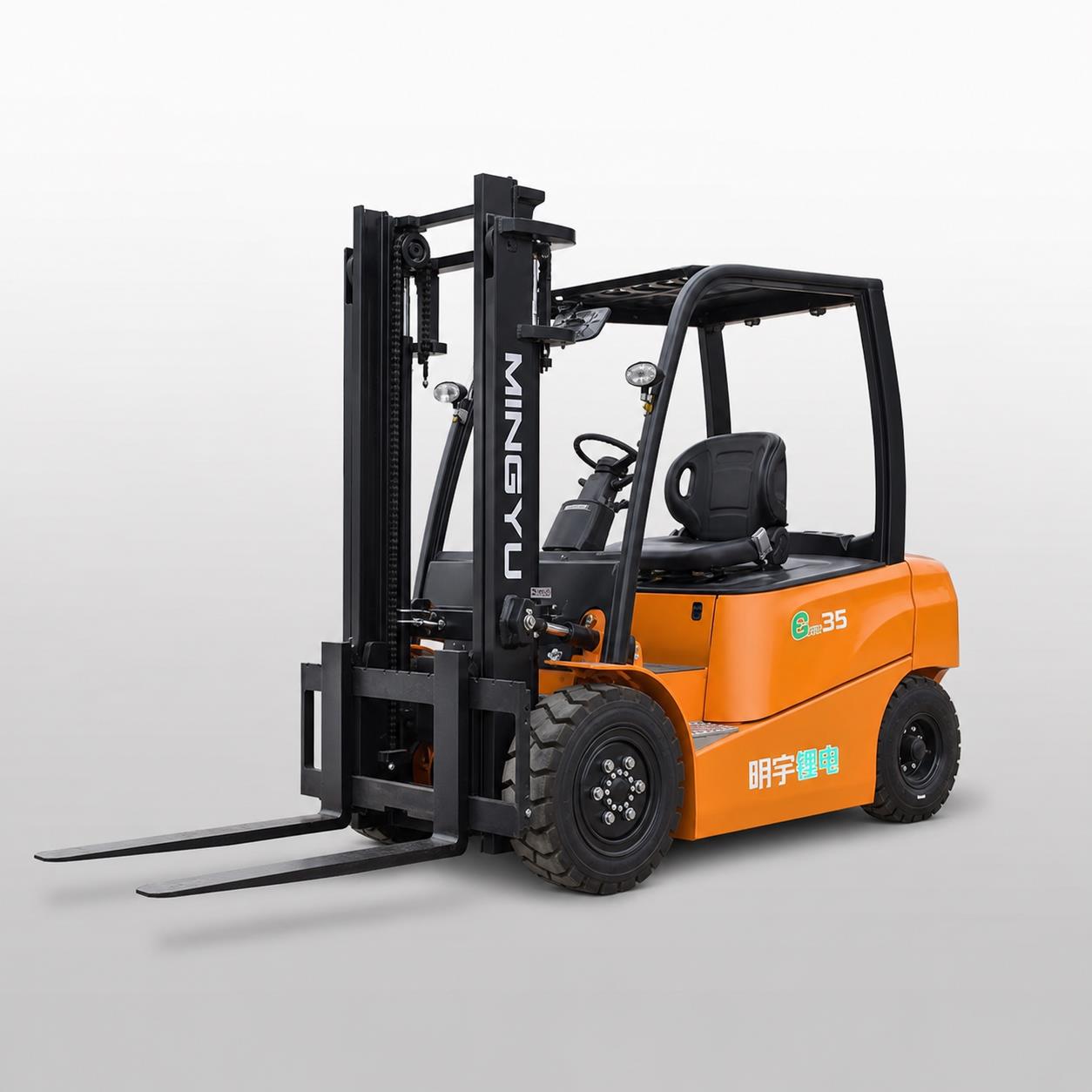
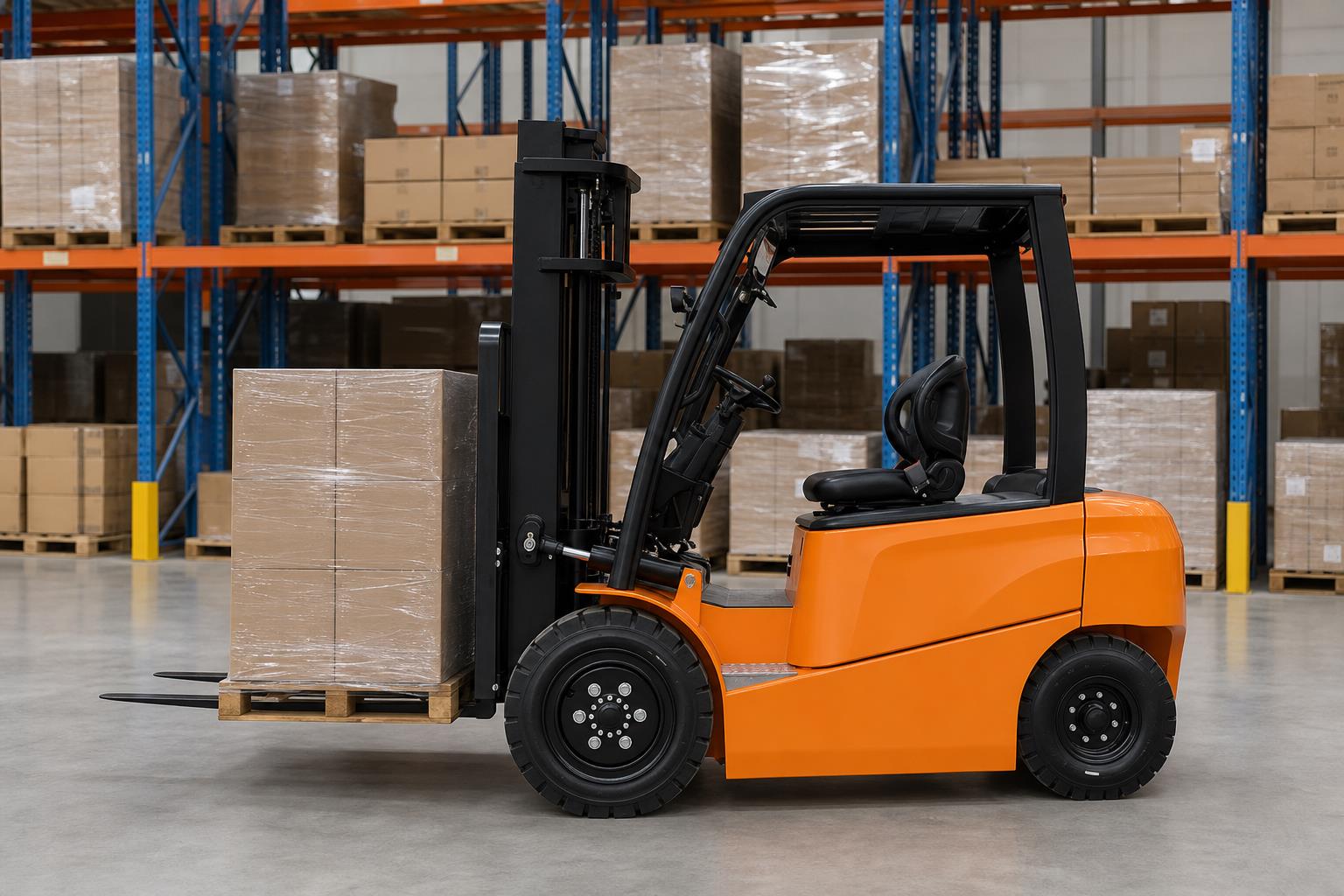
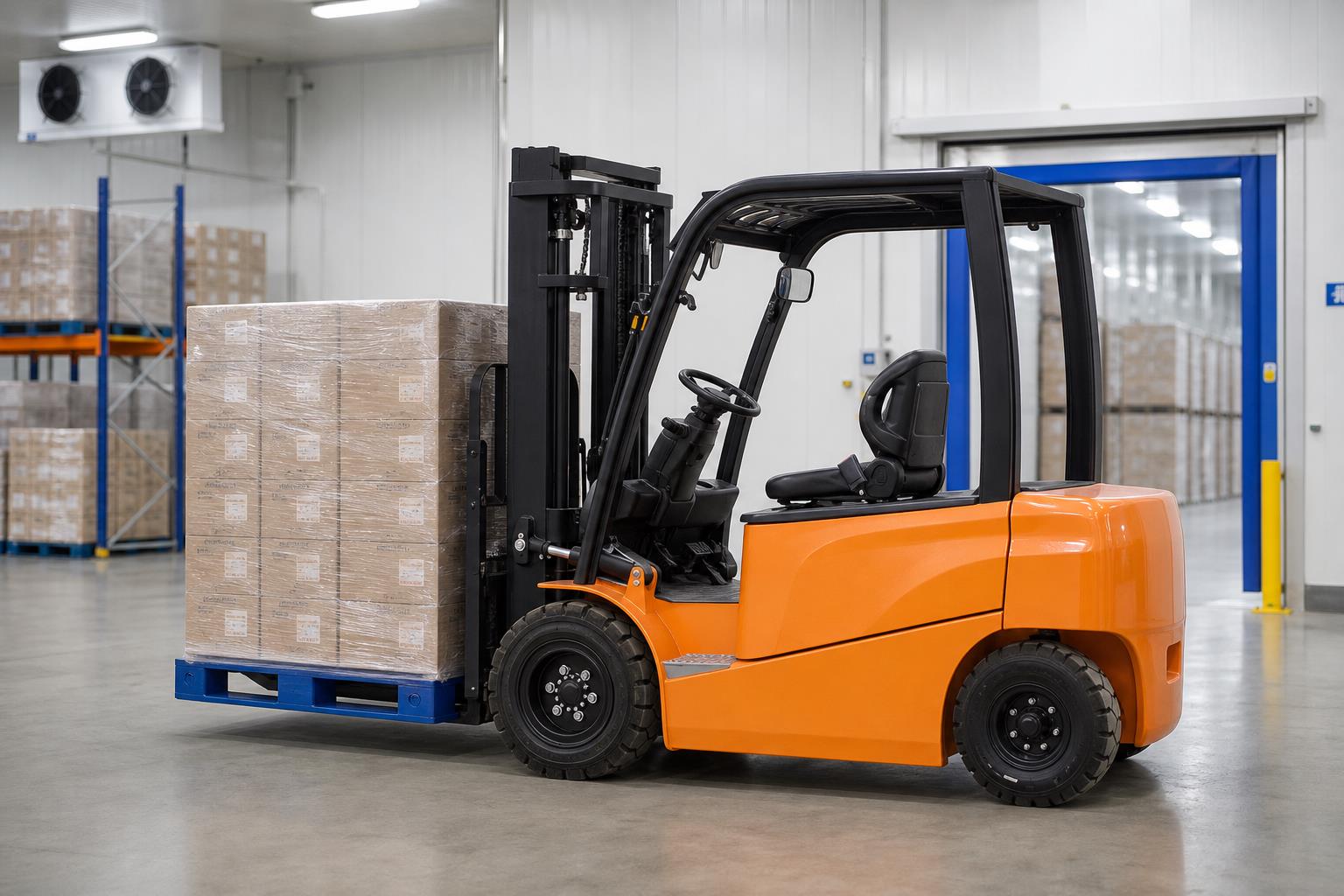
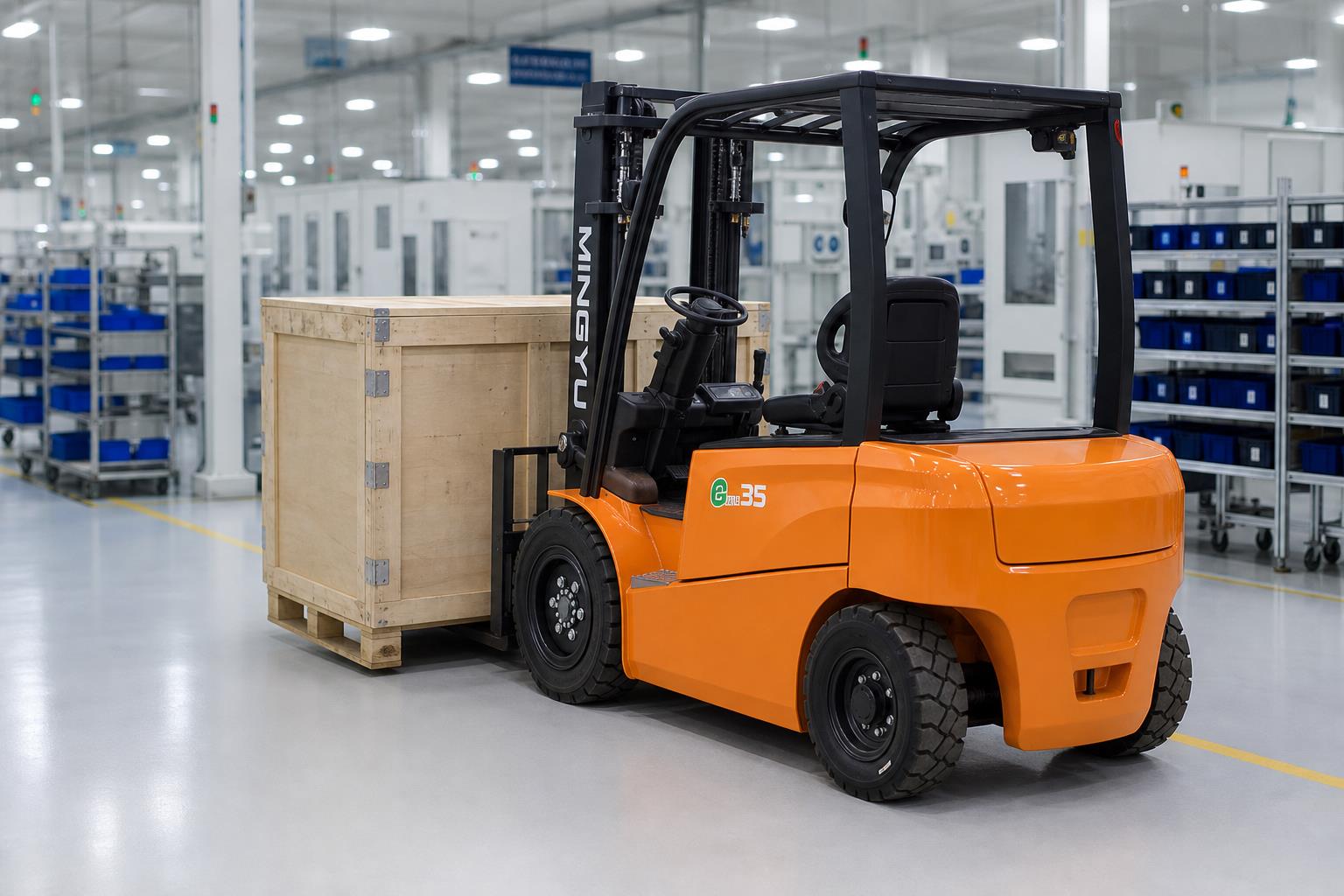
The ZG-CPD35B 3.5 ton lithium-ion electric forklift from ZGFORKLIFT / MYZG is designed for operations that want diesel-class material-handling capability with quiet electric drive, zero tailpipe emissions at the point of use and a charging strategy that can support demanding logistics schedules. Shandong Zhuogong Machinery Equipment Co., Ltd. approaches forklift selection as an application problem, not merely a comparison of rated capacity and battery voltage. The correct solution must match the load, aisle, lift height, floor, shift pattern, charger supply, ambient temperature, attachment and destination-market requirements.
This lithium battery forklift is intended for distribution centers, food and cold-chain warehouses, manufacturing plants, retail logistics, third-party logistics fleets and dealers building a modern electric forklift range. Its value comes from matching battery capacity, charger power and duty cycle to the customer's work. A large battery is not automatically the best answer, and a fast charger cannot solve a poorly planned operating schedule. ZGFORKLIFT helps buyers define the complete energy and handling system before confirming a configuration.
A purchasing request for a “3.5 ton lithium forklift” should include the maximum load weight, load dimensions, load center, stacking height and attachment requirement. Long, offset or uneven loads may reduce usable capacity, especially at greater lift heights. Side shifters, fork positioners, clamps and other attachments also affect residual capacity. The buyer should ask for the rated-capacity assessment of the exact mast and attachment combination rather than relying only on the truck's nominal capacity.
Measure the narrowest aisle, doorway, dock plate, ramp and turning point. Record the longest travel distance, starts per hour, typical shift duration, break times and available charging windows. Buyers planning a mixed fleet can review the complete ZGFORKLIFT equipment range, the dedicated electric forklift category and the All Products index to compare power types and related warehouse equipment.
E-commerce and third-party logistics warehouses need predictable pallet movement between receiving, reserve storage, picking areas and outbound docks. Their priorities include fast acceleration, precise low-speed control, low noise, clean operation and reliable energy across multiple work peaks. A lithium-ion counterbalance forklift can support opportunity charging during planned breaks, helping reduce battery-change labor when the charger and operating plan are correctly matched.
The solution begins with a duty-cycle study. Record loaded and unloaded travel time, lift height, gradient, attachment use and idle periods. Confirm whether charging can occur during meal breaks, shift changes or dock pauses. The charger location should have suitable electrical supply, ventilation and traffic protection, and operators must follow the charging procedure supplied with the truck. The ZG-CPD35B can be configured around the actual warehouse rhythm rather than an assumed eight-hour average.

Food distribution and cold storage require clean material handling, controlled traffic and equipment that remains reliable at the specified temperature. A lithium electric forklift produces no engine exhaust at the point of use and reduces noise around warehouse teams. However, low temperature affects battery performance and charging. Buyers must state the working temperature, time spent inside the cold room, transition frequency, condensation risk and where charging will occur.
A cold-chain configuration may require temperature-suitable components, protected electrical connections, appropriate hydraulic fluid, cold-store tires and an operating plan that avoids unsafe charging conditions. The truck should be evaluated as a complete system, including battery management, charger, warm-up or transition procedures and daily inspection. For special forks or load-handling needs, buyers can review the forklift attachments and parts page and confirm the residual capacity of the final arrangement.

Electronics, appliance, automotive-component and general manufacturing plants often need a quiet forklift that can move production materials without adding combustion exhaust to the work area. Customers may require accurate inching, smooth hydraulic response, clear visibility, low vibration and predictable charging around production schedules. Lithium-ion drive can support these goals while reducing routine engine maintenance.
The correct truck still depends on the plant layout. Confirm floor loading, pedestrian routes, doorway height, rack clearances, trailer access and any electrostatic, cleanliness or fire-safety rules that apply to the facility. If the truck works outdoors as well as indoors, specify gradients, rain exposure, surface joints and tire requirements. Our equipment solution and FAQ resources help procurement teams organize these questions before requesting a quotation.

1. Rated capacity and residual capacity: State the real load center and maximum stacking height. A 3.5 ton rating does not guarantee 3.5 tons at every height or with every attachment. Request confirmation for the exact mast, fork and attachment package.
2. Mast and closed height: Specify maximum fork height, lowest doorway, ceiling restriction and whether full free lift is required. Duplex and triplex masts serve different stacking environments. Trailer and container work may require a low closed mast and specific free-lift performance.
3. Battery capacity: Battery capacity should be selected from energy demand, not guesswork. Provide travel distance, lift cycles, load ratio, gradients, ambient temperature and expected working hours. Oversizing adds cost and weight; undersizing creates interruptions and excessive charging pressure.
4. Charger and electrical supply: Confirm local voltage, frequency, plug, circuit capacity and charger location. Fast charging must be supported by the battery, battery-management system and site electrical infrastructure. Charger power, charging time and operating windows should be agreed together.
5. Opportunity charging: Lithium technology can make short planned charging periods useful, but the fleet needs a written schedule. Repeated unplanned charging, blocked chargers or incompatible equipment can reduce availability. Dealers should help customers calculate charger quantity and location.
6. Tires and floor conditions: Non-marking tires may be important for finished floors and food or retail environments. Pneumatic, solid and cushion-style options have different effects on ride, traction, puncture resistance, stability and turning space. Describe both indoor and outdoor surfaces.
7. Forks and attachments: Give pallet entry dimensions, fork length, carriage width and hydraulic-function requirements. Side shifters and fork positioners can improve productivity, but the attachment weight and load center must be included in capacity calculations.
8. Operator environment: Evaluate step height, seat, steering effort, mirrors, lights, warning devices, overhead guard, display visibility and weather protection. Comfortable, intuitive controls support consistent productivity and safer operation over long shifts.
The lithium battery, battery-management system and charger should be treated as one matched package. The BMS monitors operating conditions and protects the battery within its design limits, but it does not replace correct operation, inspection or site planning. Use only the approved charger and connectors. Keep charging areas protected from impact, moisture and unauthorized access, and follow the supplied manual and local fire-safety requirements.
Daily checks should include connector condition, cable damage, battery enclosure, display warnings and visible impact. Operators should report abnormal heat, odor, swelling, leakage, repeated alarms or charging faults immediately and isolate the truck according to the emergency procedure. Battery repair should be performed only by authorized, qualified personnel. Never open or modify the lithium battery system without approved instructions.
International buyers should identify the destination country and intended application before ordering. CE-related conformity requirements, manuals, warning labels and technical documentation depend on the exact market and configuration. The ZG-CPD35B has no internal-combustion engine, so engine-exhaust EPA requirements that commonly apply to diesel or gasoline power do not generally apply in the same way to a battery-electric forklift. Nevertheless, destination rules for electrical equipment, batteries, transport and recycling must be confirmed. ZGFORKLIFT / MYZG does not use a generic EPA statement as a substitute for a market-specific compliance review.
Lithium battery shipping also requires attention to packaging, documentation and transport rules. Shandong Zhuogong Machinery Equipment Co., Ltd. can coordinate production updates, inspection photos, packing dimensions, container-loading plans, charger information, manuals and available battery transport documentation for the ordered configuration. Buyers can learn more about Shandong Zhuogong Machinery Equipment Co., Ltd. and confirm the required export package before shipment.
Lithium electric forklifts remove engine oil, fuel filters and exhaust-system service, but they still require disciplined maintenance. Daily inspection should cover forks, locking pins, carriage, chains, mast rollers, hydraulic hoses, tires, wheel fasteners, brakes, steering, lights, warning devices, seat belt, overhead guard, battery enclosure and charging connector. Unsafe or damaged equipment must be removed from service.
Scheduled maintenance should follow the model manual and include hydraulic oil and filters, drive axle, braking system, steering components, mast lubrication, chain inspection, electrical harnesses, contactors, cooling fans where fitted, charger cables and software or fault-code review. Clean equipment is easier to inspect, and accurate service records help identify recurring damage before it causes downtime.
Fleet operators should track operating hours, energy use, charging events, battery state, fault history, tire wear and damage by application area. A planned spare-parts package can include filters for hydraulic systems, seals, sensors, lamps, contact components and common service items. ZGFORKLIFT service support includes parts identification and technical communication for overseas buyers and dealers.
Dealers need lithium forklift configurations that are easy to demonstrate, quote and support. Rental fleets need predictable charging, simple inspection, operator-friendly controls and parts availability. MYZG can help partners structure a product range by rated capacity, mast, tire, charger and industry. Repeatable configurations simplify inventory and technician training, while optional packages address cold storage, logistics, manufacturing and mixed indoor-outdoor duty.
A strong dealer proposal should include the truck, charger, application review, operator guidance, recommended spare parts and a clear warranty and service route. Charger installation and site electrical work remain the responsibility of qualified local professionals. Cooperation cases for warehouses, factories and distribution operations can be discussed when commercially available and permitted by the customer.
For an accurate proposal, send the maximum load weight, load dimensions, load center, stacking height, aisle width, lowest doorway, floor and ramp condition, attachment need, shift hours, charging windows, local voltage and frequency, working temperature, indoor or outdoor ratio, destination country, certification expectations, quantity and delivery schedule. Site and load photos are helpful. This information allows the ZGFORKLIFT team to explain the trade-offs among battery size, charger power, mast, tires, attachments, productivity and total cost.
Contact Shandong Zhuogong Machinery Equipment Co., Ltd.
Email: vip@mingyuforklift.com
Telephone: +86-0535-2090977
Send your application and energy-use data for a tailored ZG-CPD35B lithium-ion forklift proposal, or use our official contact page.
Safety note: Forklifts and lithium battery systems must be selected, inspected, charged, maintained and operated by trained personnel in accordance with the supplied manuals, capacity plate, site risk assessment and applicable local regulations. Specifications, certification scope and optional features are confirmed in the final quotation and technical agreement.
Name: selena
Mobile:+86-13176910558
Tel:+86-0535-2090977
Whatsapp:8613181602336
Email:vip@mingyuforklift.com
Add:Xiaqiu Town, Laizhou, Yantai City, Shandong Province, China