
vip@mingyuforklift.com
+86-0535-2090977

Introduction
The construction industry stands at the threshold of a fundamental transformation driven by the evolution of aerial work platforms (AWPs). These specialized machines, designed to lift workers and equipment to elevated work zones, have progressed from simple mechanical scaffolds to sophisticated intelligent systems that are reshaping how buildings and infrastructure take shape. This technological progression represents more than incremental improvement—it constitutes a reconstruction of the construction ecosystem itself, altering workflows, safety paradigms, labor dynamics, and project economics. Understanding this transformation requires examining the technical evolution of AWPs, their integration with broader construction technologies, and the systemic changes they enable across the built environment value chain.
The Historical Arc: From Scaffolding to Self-Propelled Systems
The prehistory of elevated work in construction was dominated by scaffolding—labor-intensive temporary structures requiring significant time and skilled labor to erect, modify, and dismantle. Traditional scaffolding imposed substantial overhead on construction projects, often representing 15-20% of total labor costs and creating schedule dependencies that complicated project management. The physical constraints of scaffolding also limited worker mobility, tool access, and material positioning, reducing productivity in elevated work zones.
The first mechanical AWPs emerged in the 1960s, primarily as vehicle-mounted boom systems developed for utility maintenance and tree care applications. These early systems offered limited reach and capacity, operated through basic hydraulic controls, and required significant setup time and stabilization procedures. However, they demonstrated the fundamental value proposition that would drive AWP adoption: the transformation of vertical access from a construction activity requiring its own labor and materials into a mobile, reusable capital asset.
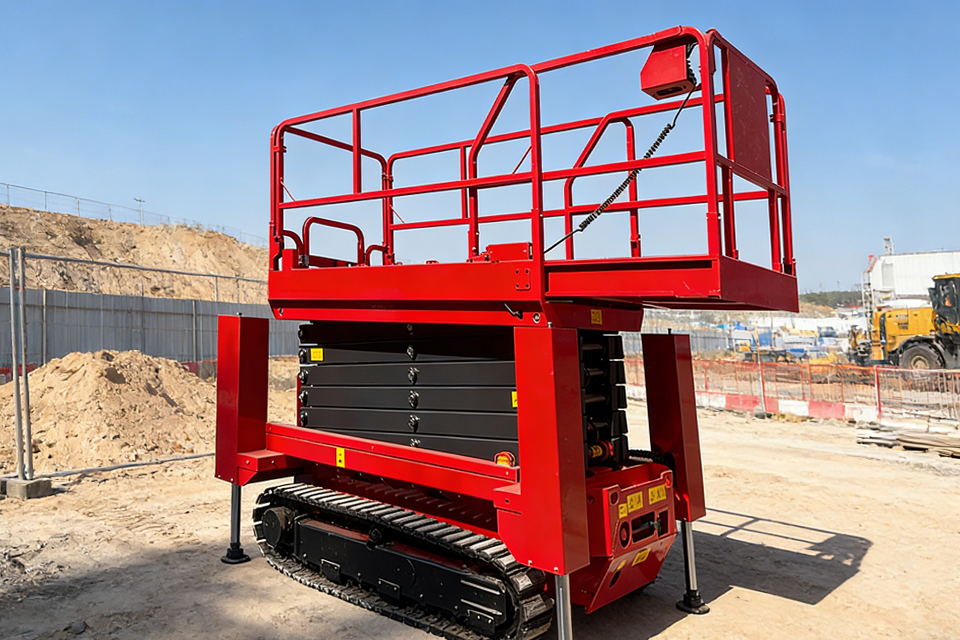
The 1970s and 1980s saw the development of self-propelled scissor lifts and articulating boom lifts specifically designed for construction applications. These systems incorporated on-board power sources, enabling independent movement without crane assistance or vehicle towing. The introduction of rough-terrain capabilities expanded AWP applicability from indoor maintenance to active construction sites with unpaved surfaces and challenging grades. Hydraulic system improvements increased lifting capacity and reach while reducing machine weight and footprint.
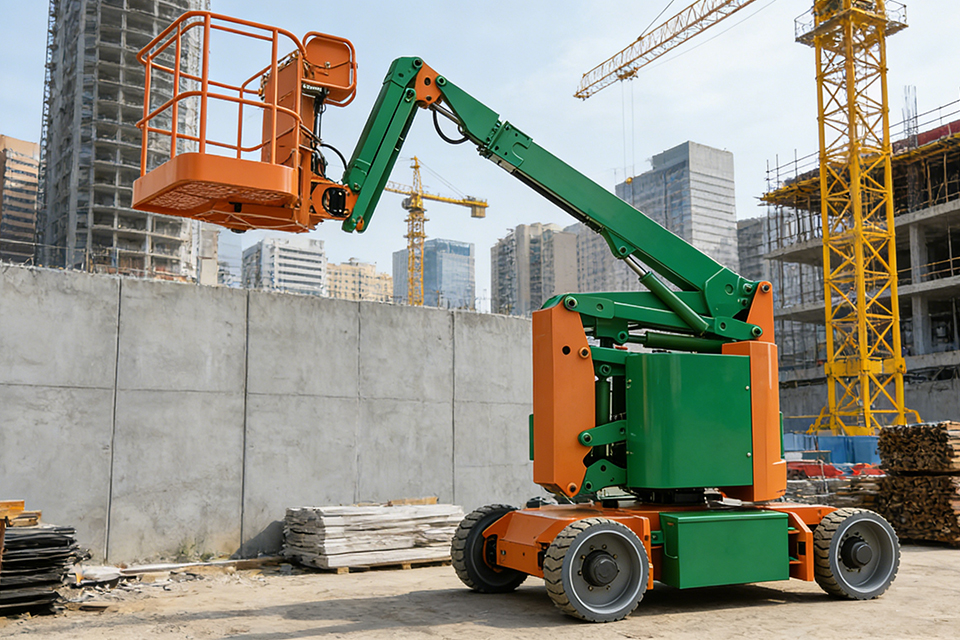
The scissor lift format proved particularly transformative for construction, offering large platform areas that accommodated multiple workers with tools and materials, vertical travel efficient for facade work and interior finishing, and compact stowed dimensions that enabled transport on standard trailers. Boom lifts addressed applications requiring horizontal reach, up-and-over capability, and access to irregular structures that defeated vertical-only systems. Together, these formats established the foundation for comprehensive AWP fleets that could address virtually any elevated construction requirement.
The Intelligence Revolution: Embedded Systems and Connectivity
The transition from manual to intelligent AWPs accelerated dramatically in the 2000s with the integration of electronic control systems, sensors, and data connectivity. Modern AWPs incorporate sophisticated microprocessor-based control systems that manage hydraulic functions, monitor safety systems, and optimize performance across varying operating conditions. These embedded intelligence systems transform operator interaction from direct mechanical control to mediated electronic interfaces that can incorporate multiple inputs, safety interlocks, and automated functions.
Load-sensing systems represent a critical intelligence application, continuously monitoring platform load, distribution, and dynamic forces to prevent overload conditions that could compromise stability. These systems integrate data from multiple pressure sensors, angle sensors, and accelerometers to build real-time understanding of machine state, automatically limiting functions when safe operating envelopes are approached. The precision of electronic load management exceeds human perception capabilities, enabling operations closer to true capacity limits while maintaining safety margins.
Position sensing and automatic leveling systems reduce setup complexity and improve operational efficiency. Machines equipped with tilt sensors and outrigger position monitors can automatically configure stability systems for ground conditions, reducing operator judgment requirements and setup time. GPS and telematics integration enables fleet managers to track machine location, utilization, and maintenance status, optimizing deployment across multiple project sites and scheduling preventive maintenance based on actual operating hours rather than calendar time.
The connectivity dimension of intelligent AWPs extends individual machine capabilities through network effects. Telematics systems transmit operational data to cloud platforms where analytics identify patterns, predict maintenance requirements, and optimize fleet composition. Remote diagnostics enable technical support without site visits, reducing downtime and service costs. Software updates can enhance machine functionality over time, extending asset value and incorporating safety improvements without hardware replacement.
Autonomous and Semi-Autonomous Capabilities
The frontier of AWP development involves autonomous and semi-autonomous functions that reduce operator burden and enable new operational models. Semi-autonomous features currently deployed include automatic return to ground level for emergency evacuation, platform leveling that compensates for base movement on uneven surfaces, and collision avoidance systems that limit travel when obstacles are detected. These functions augment operator capabilities without removing human oversight, addressing specific risk scenarios while maintaining operational flexibility.
Research and development programs are advancing toward more comprehensive autonomous operation for specific construction applications. Robotic AWPs capable of following pre-programmed work paths could address repetitive facade operations such as panel installation, coating application, or inspection. Integration with building information modeling (BIM) systems would enable AWPs to automatically position for optimal access to specific building elements, reducing positioning time and improving work quality through consistent positioning accuracy.
The technical challenges of AWP autonomy include environmental perception in dynamic construction sites with changing obstacles and personnel presence, manipulation of the work environment beyond simple positioning, and certification of safety systems for unsupervised operation. Regulatory frameworks for autonomous construction equipment remain under development, with current standards assuming continuous human oversight. The transition to autonomous operation will likely proceed through extended periods of remote operation, where human operators supervise multiple machines from centralized control stations, before achieving full autonomy.
Impact on Construction Workflows and Productivity
The integration of intelligent AWPs has fundamentally altered construction workflows, enabling methodologies that were impractical or impossible with traditional access systems. The elimination of scaffolding erection and dismantling from critical paths compresses project schedules, particularly for work scopes involving frequent elevation changes or multiple work fronts. Studies indicate that AWP-based access can reduce elevated work setup time by 70-90% compared to conventional scaffolding, with additional productivity gains from improved worker mobility and tool access.
Just-in-time work face access becomes feasible with mobile AWPs, enabling lean construction approaches that minimize work-in-process inventory and reduce material handling. Rather than establishing extensive scaffolding systems that enable work across large facade areas, crews can access specific locations as needed, completing work sequences before moving to subsequent areas. This approach reduces weather exposure of incomplete work, minimizes material degradation, and enables more precise quality control through focused inspection of completed sections.
The flexibility of AWP-based access supports adaptive project management responding to design changes, field conditions, and schedule disruptions. When unexpected conditions require access to unplanned locations, AWPs can typically be repositioned within hours rather than the days required for scaffolding modification. This responsiveness reduces the cost and schedule impact of change orders and field conflicts, improving project predictability and client satisfaction.
Productivity measurement in AWP-enabled construction shows consistent improvements across multiple metrics. Platform-based work reduces physical fatigue from climbing and material handling, maintaining worker effectiveness over longer periods. Tool and material positioning at optimal working heights reduces ergonomic strain and improves work quality. The ability to reposition quickly for optimal access angles eliminates workarounds and compromise positions that reduce efficiency and increase error rates.
Safety Transformation and Risk Management
The safety impact of AWP adoption represents one of the most significant ecosystem reconstructions, fundamentally altering the risk profile of elevated construction work. Scaffolding-related incidents, including falls from elevation, structural collapses, and struck-by falling objects, historically represented a substantial portion of construction fatalities and serious injuries. AWP-based access eliminates many scaffolding-specific hazards while introducing new risk categories that intelligent systems are specifically designed to address.
Fall protection in AWPs involves integrated guardrail systems supplemented by personal fall arrest connection points, providing passive protection superior to the active systems required on scaffolding where guardrails may be incomplete during erection or dismantling. The enclosed platform environment reduces the psychological stress of elevated work, potentially improving decision-making and hazard recognition. Intelligent systems monitor platform occupancy and enforce capacity limits, preventing overcrowding that compromises guardrail effectiveness.
Tip-over prevention through intelligent stability management addresses the most significant AWP-specific hazard. Modern systems incorporate multiple redundant sensors monitoring platform load, boom position, outrigger deployment, and chassis inclination, with automatic function limitation when stability margins are compromised. Some systems incorporate predictive stability algorithms that anticipate hazardous configurations before they develop, providing operator warnings and automatic intervention. These capabilities exceed human monitoring capabilities, particularly during complex maneuvers where multiple variables change simultaneously.
Electrocution risk from overhead power line contact, a leading cause of AWP fatalities, is addressed through proximity sensing and automatic function limitation. Systems detecting approach to energized conductors can alarm and ultimately prevent continued movement toward hazard zones. The precision of electronic proximity detection enables operation closer to power lines than would be prudent with human judgment alone, expanding feasible work envelopes while maintaining safety margins.
Data from intelligent AWPs enables evidence-based safety management previously impossible with conventional equipment. Detailed records of near-limit operations, stability system interventions, and operator override attempts provide objective measures of risk exposure and safety system effectiveness. This data supports targeted training interventions, equipment configuration optimization, and safety procedure refinement based on actual operational patterns rather than hypothetical scenarios.
Labor Dynamics and Skill Evolution
The transformation of access technology has profound implications for construction labor markets and skill requirements. Traditional scaffolding craft represented a significant employment category, with specialized erectors commanding premium wages for skilled work at height. The shift toward AWP-based access reduces demand for scaffolding-specific skills while creating new requirements for AWP operation, maintenance, and fleet management.
AWP operation requires different skill profiles than scaffolding erection, emphasizing equipment control, spatial reasoning, and safety system management rather than structural assembly and rigging. The learning curve for basic AWP operation is typically shorter than scaffolding apprenticeship, potentially expanding the eligible labor pool for elevated work. However, sophisticated intelligent systems require deeper technical understanding for effective utilization, including interpretation of system feedback, response to alarms and limitations, and basic troubleshooting.
The deskilling dimension of AWP adoption generates complex labor market effects. Reduced demand for scaffolding skills may displace experienced workers unable to transition to new requirements, while expanded labor pool eligibility may exert downward pressure on wages for elevated work. Conversely, the productivity gains from AWP utilization may increase total construction activity, creating net employment growth despite per-project labor reduction. The specific balance of these effects varies across markets and project types, requiring careful policy attention to workforce transition support.
Intelligent AWPs also enable remote and semi-remote operation that may alter the physical presence requirements for elevated work. Operators controlling machines from ground level or remote locations face different risk profiles and skill requirements than platform-based operators. These operational modes may expand employment opportunities for workers with mobility limitations or height aversion while creating new categories of technical employment in control system operation and supervision.
Economic Restructuring and Business Model Innovation
The economics of AWP-based construction differ fundamentally from scaffolding-dependent models, affecting project costing, contractor capabilities, and equipment industry structure. Capital investment in AWP fleets replaces the labor and material costs of scaffolding, shifting cost structures from variable to fixed and creating scale economies that favor larger contractors with fleet ownership capabilities.
The equipment rental industry has developed sophisticated AWP service models that enable contractor access without capital investment, offering fleet management, maintenance, and technical support as bundled services. Rental penetration in AWP markets exceeds 70% in developed economies, compared to lower rental rates for general construction equipment, reflecting the specialized maintenance requirements and utilization optimization benefits of professional fleet management. This rental infrastructure enables contractor adoption without capital constraints, accelerating technology diffusion.
Project costing methodologies have adapted to AWP economics, with detailed activity-based cost models replacing the percentage allowances traditionally applied for scaffolding. The transparency of AWP costs—daily rental rates, transport charges, and fuel—enables precise estimation and control, supporting competitive bidding and cost management. However, this precision also exposes contractors to risk from estimation errors, as AWP costs vary directly with duration and utilization rather than being absorbed within broader labor allowances.
The productivity gains from intelligent AWPs create competitive differentiation that reshapes contractor market positions. Firms with advanced fleet capabilities, operator training programs, and integration expertise can deliver projects faster and with superior safety records, winning work on performance criteria beyond price. This differentiation drives continuous investment in AWP technology and capabilities, creating virtuous cycles of improvement that may disadvantage smaller contractors unable to maintain comparable fleet sophistication.
Integration with Construction Technology Ecosystems
Intelligent AWPs achieve maximum impact through integration with broader construction technology systems, creating synergies that exceed the sum of individual capabilities. Building Information Modeling (BIM) integration enables AWPs to access digital building representations for work planning, positioning optimization, and as-built verification. The machine-readable building model supports automated work sequencing, clash detection for AWP positioning, and progress tracking through comparison of planned and actual work face completion.
Drone and robotic integration extends AWP capabilities through complementary access systems. Drones perform initial site surveys and progress documentation that inform AWP deployment planning. Ground robots deliver materials to AWP platforms, reducing manual handling and enabling continuous work without platform descent for resupply. These integrations create coordinated robotic systems addressing the full range of elevated construction activities, with AWPs serving as the primary human access and work execution platform.
Wearable technology integration connects workers on AWP platforms to broader safety and productivity management systems. Biometric monitors track fatigue and stress indicators, prompting rest breaks before performance degradation. Position sensors within platforms enable personnel location tracking for emergency response and productivity analysis. Augmented reality displays provide work instructions, quality specifications, and hazard warnings directly in the worker's field of view, reducing cognitive load and improving task execution accuracy.
The data architecture supporting these integrations requires standardization of interfaces, protocols, and data formats that enable interoperability across equipment manufacturers, software providers, and construction firms. Industry initiatives including the Association of Equipment Manufacturers (AEM) AWP data standard and ISO technical committees are advancing these standardization efforts, recognizing that ecosystem value creation depends on seamless information flow across organizational boundaries.
Sustainability and Environmental Impact
The environmental dimension of AWP evolution addresses both direct emissions from equipment operation and indirect impacts through construction methodology changes. Electrification of AWP fleets, progressing rapidly through battery electric and hybrid systems, eliminates local emissions and reduces noise pollution, enabling indoor work without ventilation requirements and urban construction with reduced community impact. The energy efficiency of electric drive systems, particularly when powered by renewable electricity, substantially reduces lifecycle carbon footprint compared to diesel alternatives.
The weight reduction enabled by intelligent design and high-strength materials reduces transport emissions and site impact. Modern AWPs achieve greater capability with lower mass, reducing fuel consumption in transport and operation while enabling deployment on surfaces with limited load capacity. The durability improvements from intelligent maintenance and predictive analytics extend asset lifecycles, reducing embodied carbon in equipment manufacturing relative to construction output.
Construction methodology changes enabled by AWPs support broader sustainability objectives. Reduced scaffolding material consumption eliminates the waste stream from temporary structure fabrication, transport, and disposal. The precision and quality improvement from optimal work positioning reduces rework and material waste. Accelerated construction schedules reduce site energy consumption and community disruption duration. These systemic effects, while difficult to attribute specifically to AWP technology, contribute to construction industry decarbonization and sustainability goals.
Future Trajectories and Ecosystem Evolution
The continued evolution of intelligent AWPs will likely follow several interconnected trajectories. Electrification will progress toward full battery electric systems with fast-charging capabilities that eliminate range and duration constraints. Autonomous functions will expand from positioning assistance to comprehensive work execution for suitable applications. Integration with digital construction systems will deepen toward real-time, bidirectional information flow that treats AWPs as active participants in building information models rather than passive access providers.
The ecosystem reconstruction initiated by AWP evolution will continue, with further consolidation of equipment manufacturing, rental services, and contractor capabilities around technology-enabled performance differentiation. Regulatory frameworks will evolve to address autonomous operation, data governance, and safety certification of intelligent systems. Workforce development systems will adapt to produce operators, technicians, and managers capable of maximizing value from sophisticated equipment capabilities.
The ultimate trajectory points toward construction ecosystems where elevated work is executed by coordinated teams of intelligent machines with selective human oversight, fundamentally altering the nature of construction employment and the economics of built environment creation. The reconstruction of construction through aerial work platform evolution represents a case study in how specific technological innovations can cascade through interconnected systems to transform entire industries.
Conclusion
The transformation of aerial work platforms from manual mechanical systems to intelligent, connected, and increasingly autonomous construction assets exemplifies how technology reconstructs industry ecosystems. Beyond the specific capabilities of individual machines, this evolution has reconfigured construction workflows, safety paradigms, labor markets, and economic structures. The integration of AWPs with broader construction technology systems creates network effects that amplify individual technology impacts, driving continuous innovation and competitive differentiation.
The construction industry that emerges from this transformation will operate with fundamentally different risk profiles, skill requirements, and productivity levels than its predecessor. The challenges of managing this transition—workforce adaptation, regulatory evolution, and equitable distribution of productivity gains—require attention alongside technology development. However, the trajectory toward more intelligent, efficient, and safe elevated construction work appears firmly established, with ongoing innovation continuing to reconstruct the built environment creation process in ways that are only beginning to become visible.
Name: selena
Mobile:+86-13176910558
Tel:+86-0535-2090977
Whatsapp:8613181602336
Email:vip@mingyuforklift.com
Add:Xiaqiu Town, Laizhou, Yantai City, Shandong Province, China
