
vip@mingyuforklift.com
+86-0535-2090977

Abstract
The global construction industry stands at the precipice of a fundamental transformation. Characterized by the integration of artificial intelligence, Internet of Things (IoT) connectivity, digital twin technology, and autonomous systems, the intelligent construction era promises to reshape every aspect of building and infrastructure development. For the aerial work platform (AWP) industry, this transformation represents both an existential imperative and an unprecedented opportunity. This article examines how smart technologies are redefining AWP capabilities, creating new value propositions through predictive maintenance and fleet optimization, and establishing the foundation for autonomous elevated access equipment. We analyze the technological convergence driving this evolution, explore implementation challenges and solutions, and project the trajectory of AWP intelligence through 2030 and beyond.
1. Introduction: The Construction Intelligence Revolution
The construction sector has historically lagged behind other industries in digital adoption, yet this reality is changing rapidly. Construction 4.0—encompassing robotics, artificial intelligence, IoT integration, and advanced data analytics—is now moving from conceptual frameworks to operational imperatives . According to recent market analysis, the global AWP market is projected to reach $12.6 billion by 2025, growing at a compound annual growth rate of 5.6%, with intelligent features and electrification driving much of this expansion .
For the AWP industry, the intelligent construction era creates a dual mandate: equipment must become smarter to integrate with increasingly digitized job sites, while simultaneously addressing sustainability pressures through electrification and efficiency optimization. These objectives converge in the development of connected, autonomous, and electric aerial platforms that transcend traditional lift equipment paradigms . The transformation extends beyond incremental improvements, promising to redefine the fundamental relationship between elevated access equipment and construction operations.
2. The Technological Foundation: IoT and Telematics Integration
2.1 Connected Equipment Ecosystems
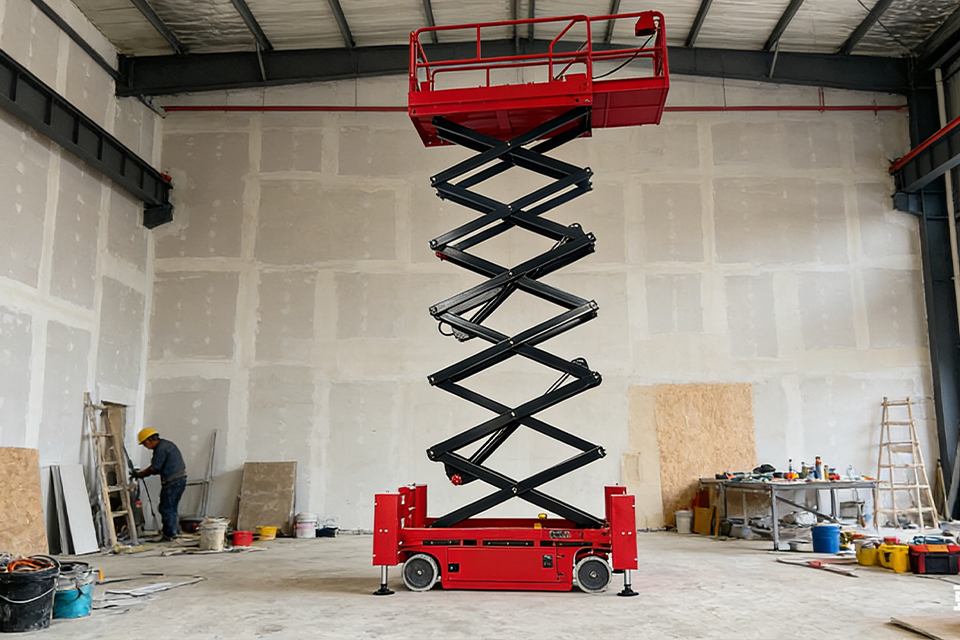
The integration of Internet of Things (IoT) technology and telematics systems represents the foundational layer of AWP intelligence. Modern aerial platforms are increasingly equipped with comprehensive sensor networks that continuously monitor hydraulic pressure, battery health, load weight, platform tilt, and operational parameters . These sensors function as the machine's nervous system, perpetually collecting data that transforms static equipment into dynamic, responsive assets.
The practical implications of this connectivity are substantial. Fleet managers can now access real-time operational data across distributed equipment populations, enabling unprecedented visibility into asset utilization, operator behavior, and maintenance requirements. Geofencing capabilities allow managers to define virtual boundaries for equipment, generating alerts if machines are moved outside authorized zones—simultaneously preventing theft and ensuring compliance with operational parameters .
2.2 Predictive Maintenance Transformation
Perhaps the most economically significant application of AWP intelligence lies in predictive maintenance. Traditional maintenance approaches rely on fixed inspection intervals or reactive repair following component failure. IoT-enabled platforms shift this paradigm fundamentally, using continuous sensor monitoring to detect anomalies before they escalate into failures .
Research indicates that organizations implementing predictive maintenance through digital twin technologies have achieved equipment failure reductions of up to 70% and maintenance cost decreases of approximately 25% . For AWP fleet operators, where downtime represents lost rental revenue and customer disruption, these improvements translate directly to enhanced profitability and competitive advantage. Hydraulic pressure fluctuations, temperature variations, and vibration patterns that precede component failure can now trigger maintenance interventions before catastrophic breakdowns occur .
3. Digital Twins: Virtual Replication for Physical Optimization
3.1 Concept and Implementation
Digital twin technology—creating high-fidelity virtual replicas of physical assets that continuously update based on operational data—represents a quantum leap in AWP management capabilities. Unlike static 3D models, digital twins are dynamic living mirrors that integrate real-time sensor feeds, maintenance history, and operational parameters to reflect actual equipment condition .
The construction of AWP digital twins involves sophisticated data integration. High-resolution spatial data from LiDAR scans, photogrammetry, and 3D modeling creates the geometric foundation, while IoT sensor networks provide the continuous data stream that animates the virtual replica. This integration enables virtual exploration of equipment condition without physical inspection, supporting remote diagnostics and maintenance planning .
3.2 Operational Applications
In operational contexts, AWP digital twins enable scenario simulation and optimization that would be impossible with physical equipment alone. Engineers can model the impact of different maintenance strategies, simulate component life extension through operational parameter adjustment, and optimize fleet deployment based on projected equipment availability. The digital twin becomes a system-wide dashboard where maintenance teams, operators, and managers can virtually explore equipment status from multiple angles and timelines .
The aerospace industry provides a compelling parallel: Airbus now connects over 12,000 aircraft to their Skywise platform, where real-time sensor data feeds digital twins that predict wear, optimize maintenance schedules, and extend component life . As AWP complexity increases and operational lifecycles extend, similar approaches become economically justified for high-value aerial platforms.
4. Artificial Intelligence and Autonomous Capabilities
4.1 AI-Powered Operational Enhancement
Artificial intelligence and machine learning algorithms are transforming AWP capabilities from reactive tools to proactive partners in construction operations. AI-powered navigation systems enable platforms to autonomously navigate complex job sites, while computer vision systems detect obstacles and hazards with greater consistency than human operators . These capabilities improve efficiency, reduce human error, and enhance safety by minimizing operator exposure to hazardous conditions.
Machine learning models trained on operational data can optimize lift trajectories, predict stability limits under varying load conditions, and automatically adjust platform parameters for maximum productivity within safety constraints. The algorithms process massive datasets gathered by platform sensors, identifying patterns that indicate wear, damage, or performance degradation before they become apparent to human observers .
4.2 The Path to Autonomy
The trajectory toward fully autonomous aerial platforms is becoming increasingly clear. Current implementations feature automated functions including self-leveling platforms, automatic height adjustment, and obstacle detection systems . These capabilities reduce cognitive load on operators while improving safety and efficiency, particularly in hazardous environments.
Looking forward, the integration of AI with advanced robotics promises self-healing job sites where equipment failures are predicted and autonomously addressed. Research suggests that construction robots will predict 45% fewer delays by 2030 through anticipatory intervention and error correction . For AWPs, this evolution implies platforms capable of autonomous positioning, self-diagnostics, and potentially independent operation in controlled environments such as warehouse maintenance or repetitive construction tasks.
5. Safety Intelligence and Regulatory Compliance
5.1 Real-Time Safety Monitoring
The intelligent construction era elevates safety from compliance checklists to continuous, data-driven processes. Modern AWPs incorporate advanced safety features including real-time stability monitoring, anti-entrapment systems, and load moment indicators that prevent operation outside safe parameters . These systems leverage sensor fusion—combining data from multiple sources—to create comprehensive situational awareness that exceeds human perceptual capabilities.
In 2024, nearly 35% of the AWP market was driven by safety upgrades, a proportion expected to increase as regulatory requirements become more stringent . Smart safety systems not only prevent accidents but also generate documentation that demonstrates compliance with Occupational Safety and Health Administration (OSHA) and American National Standards Institute (ANSI) standards, reducing liability exposure for equipment owners and operators.
5.2 Operator Augmentation
Beyond autonomous safety systems, intelligent AWPs augment operator capabilities through augmented reality interfaces and real-time guidance. Connected devices such as tablets and smart glasses provide operators with virtual training, operational checklists, and hazard alerts integrated directly into their field of view . This human-machine collaboration model enhances operator effectiveness while reducing the training burden for complex equipment operation.
6. Electrification and Sustainability Integration
The intelligent construction era coincides with industry-wide electrification, creating synergies that amplify the benefits of both trends. Electric and hybrid aerial platforms generate operational data that enables optimization of battery management, charging schedules, and energy consumption patterns . Telematics systems track energy usage across fleets, identifying opportunities for efficiency improvement and supporting sustainability reporting requirements.
Smart energy management extends equipment operational duration while reducing environmental impact. By analyzing usage patterns and site conditions, AI systems can optimize power consumption, predict battery degradation, and schedule charging to minimize grid impact and operating costs. This integration of intelligence with electrification addresses the primary limitation of electric AWPs—energy storage density—through operational optimization rather than purely technological advancement.
7. Implementation Challenges and Strategic Responses
7.1 Data Architecture and Integration
Realizing the potential of intelligent AWPs requires sophisticated data infrastructure. Many construction organizations operate fragmented legacy systems that resist integration with modern IoT platforms. The transition to unified lifecycle management systems, while technically complex, provides the foundation for digital twin implementation and predictive analytics .
Cybersecurity emerges as a critical concern as construction equipment becomes networked. Drone systems and connected machinery face threats including data interception, operational disruption, and unauthorized access. Robust security protocols, encryption standards, and access controls are essential components of intelligent AWP deployment .
7.2 Workforce Transformation
The intelligent construction era demands new competencies from AWP operators, maintenance technicians, and fleet managers. Traditional mechanical expertise must be supplemented with data literacy, digital tool proficiency, and systems thinking. Training programs must evolve to address human-machine collaboration, predictive maintenance interpretation, and autonomous system oversight.
Organizations that successfully navigate this workforce transformation gain competitive advantage through improved operational efficiency and reduced dependency on scarce skilled labor. Conversely, those that fail to develop digital capabilities risk obsolescence as the industry increasingly favors intelligent equipment and data-driven operations.
8. Market Implications and Future Trajectories
The intelligent construction era is reshaping AWP market dynamics. Equipment differentiation increasingly centers on software capabilities, data services, and integration potential rather than purely mechanical specifications. Manufacturers are transitioning from equipment vendors to solution providers, offering fleet management platforms, predictive maintenance services, and operational consulting alongside physical platforms .
Rental market dominance in the AWP industry amplifies the value of intelligence. Rental companies leverage IoT data to optimize asset utilization, minimize downtime, and demonstrate value to customers through usage analytics and productivity reporting. The ability to offer "equipment-as-a-service"—guaranteeing availability and performance rather than merely providing machinery—becomes viable through intelligent platform capabilities.
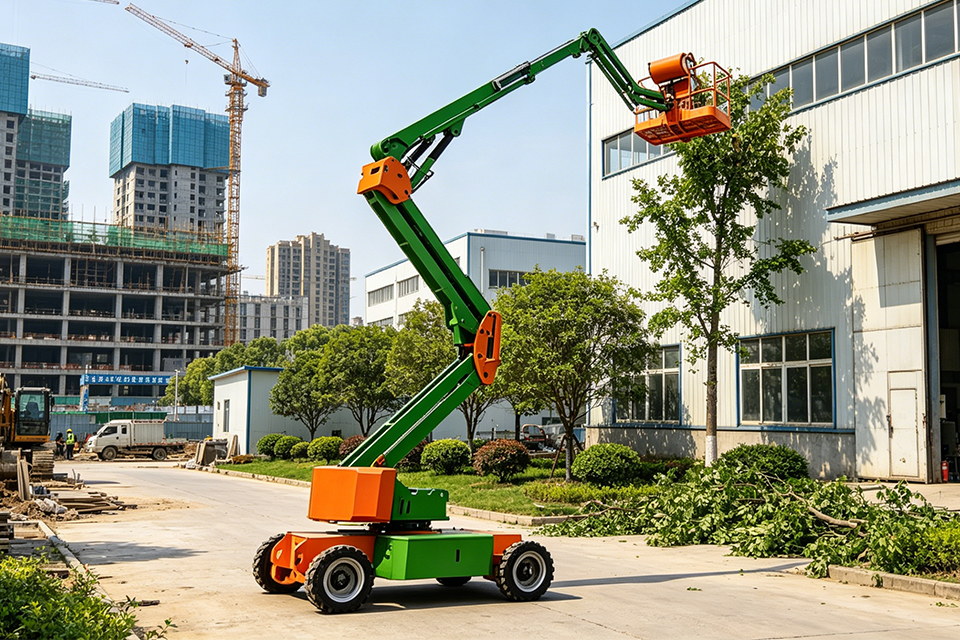
Looking toward 2030, the trajectory points toward increasingly autonomous, connected, and intelligent aerial platforms. The convergence of AI, robotics, and advanced materials promises self-optimizing equipment that adapts to job site conditions, anticipates maintenance requirements, and operates with minimal human intervention in appropriate contexts. The AWP industry will transition from providing elevated access to delivering intelligent elevation solutions—integrated systems that enhance construction productivity, safety, and sustainability through data-driven capabilities.
9. Conclusion
The arrival of the intelligent construction era represents a watershed moment for the aerial work platform industry. IoT connectivity, digital twin technology, artificial intelligence, and autonomous capabilities are transforming AWPs from passive mechanical tools into active, intelligent partners in construction operations. These technologies address fundamental industry challenges: improving safety through continuous monitoring and predictive intervention, enhancing efficiency through data-driven optimization, and enabling sustainability through electrification and resource optimization.
For AWP manufacturers, rental companies, and construction contractors, the imperative is clear: embrace intelligence or risk obsolescence. The technological foundations are established, the economic benefits are demonstrated, and the industry trajectory is determined. The question is not whether aerial work platforms will become intelligent, but how quickly organizations can adapt to capitalize on the opportunities this transformation presents.
The future of elevated access is not merely higher or more compact—it is smarter, more connected, and more responsive to the needs of an industry undergoing fundamental digital transformation. The intelligent construction era has arrived, and the AWP industry stands at the forefront of this revolution, poised to redefine what is possible in elevated work environments.
Name: selena
Mobile:+86-13176910558
Tel:+86-0535-2090977
Whatsapp:8613181602336
Email:vip@mingyuforklift.com
Add:Xiaqiu Town, Laizhou, Yantai City, Shandong Province, China