
vip@mingyuforklift.com
+86-0535-2090977

Introduction
Forklifts are the backbone of material handling operations across warehouses, distribution centers, manufacturing plants, and construction sites. These powerful machines operate under demanding conditions—lifting heavy loads, navigating tight spaces, and running continuously during shift operations. Without proper daily maintenance, forklifts experience accelerated wear, unexpected breakdowns, safety hazards, and significantly shortened service life.
Daily maintenance isn't merely a recommended practice; it's a critical operational requirement that directly impacts productivity, safety compliance, and total cost of ownership. OSHA regulations, manufacturer warranties, and insurance policies all mandate documented maintenance programs. This handbook presents twelve essential steps that maintenance personnel and operators should follow every day to ensure optimal forklift performance and longevity.
Step 1: Pre-Operational Visual Inspection
Every shift should begin with a comprehensive visual walk-around. This initial assessment establishes the baseline condition of the equipment before operation.
Exterior Assessment: Examine the forklift body for visible damage, cracks, or structural deformities. Check for fluid leaks beneath the machine—engine oil, hydraulic fluid, coolant, or fuel puddles indicate immediate attention requirements. Inspect the overhead guard for damage that could compromise operator protection.
Load Handling Components: Visually inspect forks for cracks, bends, or excessive wear at the heels. The fork thickness at the heel should never be less than 90% of the original specification. Examine the carriage, backrest, and lift chains for damage or abnormal wear patterns.
Tire Condition: Check pneumatic tires for proper inflation, cuts, bulges, or embedded debris. Solid tires should show no chunking or ring cracks. Cushion tires require inspection for excessive wear that exposes the bonding layer.
Document all findings in the pre-operation inspection checklist. Any defects requiring corrective action must be reported immediately, and the forklift should be tagged out of service until repairs are completed.
Step 2: Fluid Level Verification
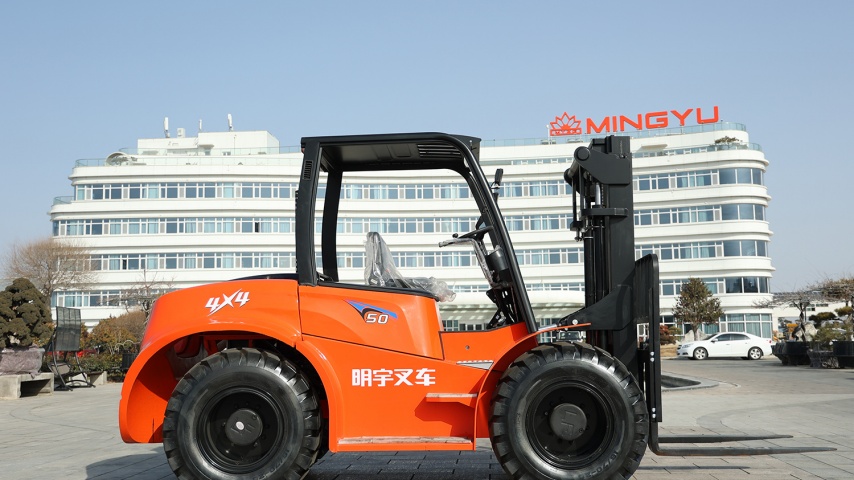
Proper fluid levels are fundamental to forklift operation. Low or contaminated fluids cause catastrophic component failures.
Engine Oil: Check the dipstick with the engine off and the forklift on level ground. Oil should register between the minimum and maximum marks. Note the oil color—dark, gritty oil indicates contamination requiring immediate change. For diesel and LPG engines, maintain manufacturer-specified oil grades and change intervals.
Coolant: Verify coolant level in the reservoir when the engine is cold. Never open a pressurized radiator cap on a hot engine. Inspect coolant color; rusty or oily coolant indicates internal engine problems. In freezing climates, verify adequate antifreeze concentration using a refractometer.
Hydraulic Fluid: Check the hydraulic reservoir sight glass or dipstick. Low hydraulic fluid causes pump cavitation, valve damage, and erratic lift/tilt operation. Use only the manufacturer-recommended hydraulic oil grade—typically ISO VG 32 or 46 for most applications.
Brake Fluid: Inspect the master cylinder reservoir. Brake fluid absorbs moisture over time, reducing its boiling point and braking effectiveness. Fluid should be clear to light amber; dark fluid requires replacement.
Battery Electrolyte (Electric Forklifts): Check electrolyte levels in each cell after charging. Add distilled water only—never tap water—to maintain levels above the plates. Low electrolyte causes plate sulfation and permanent capacity loss.
Step 3: Battery and Electrical System Check
Electrical system failures are among the most common causes of forklift downtime.
Battery Terminals: Inspect for corrosion, loose connections, and proper torque. Corroded terminals create voltage drops, reduced starting power, and potential fire hazards. Clean terminals with a baking soda solution and wire brush, then apply dielectric grease.
Cable Condition: Examine battery cables for fraying, cracked insulation, or exposed conductors. Replace damaged cables immediately—short circuits in battery systems can cause explosions or fires.
State of Charge: For electric forklifts, verify adequate charge for the planned shift. Deep discharges below 20% state of charge significantly reduce battery cycle life. Opportunity charging during breaks can extend operational runtime.
Alternator/Generator Output: On internal combustion forklifts, verify charging system operation. Low voltage readings during operation indicate alternator belt slippage, worn brushes, or regulator failure.
Lighting and Indicators: Test all lights—headlights, taillights, brake lights, turn signals, and warning lights. Verify gauge functionality and warning indicator operation.
Step 4: Brake System Inspection
Brake failure represents the most dangerous forklift malfunction scenario.
Service Brakes: Test brake pedal feel and travel. The pedal should be firm, not spongy, with consistent resistance throughout its travel. Excessive travel indicates air in hydraulic lines, worn linings, or fluid leaks.
Parking Brake: Verify the parking brake holds the forklift stationary on a slight incline with the engine off. Test both loaded and unloaded conditions. Parking brake adjustment should follow manufacturer specifications.
Brake Components: Inspect brake lines for chafing, corrosion, or leaks. Check brake drum or rotor condition through inspection ports where accessible. Squealing, grinding, or pulling during braking indicates immediate service requirements.
Wet Brake Systems: Many modern forklifts use enclosed wet disc brakes. These systems require periodic brake fluid changes and filter replacement according to manufacturer intervals—typically every 1,000 to 2,000 operating hours.
Step 5: Steering and Control Mechanism Assessment
Responsive steering and controls are essential for safe maneuvering in congested environments.
Steering Operation: Test steering for excessive play, binding, or unusual noise. Power steering should provide smooth, light effort. Check hydraulic steering fluid level if separate from the main hydraulic system.
Hydraulic Controls: Operate all hydraulic functions—lift, lower, tilt, sideshift, and attachments. Controls should respond smoothly without jerking, hesitation, or abnormal noise. Verify control lever detents hold position correctly.
Pedals and Levers: Inspect accelerator, brake, inching, and clutch pedals for proper return spring action. Check for excessive wear on pivot points. Lubricate control linkages as specified.
Step 6: Mast and Lift Mechanism Examination
The mast assembly performs the forklift's primary function and endures the highest stress loads.
Lift Chains: Inspect chain anchor points, rollers, and links for wear, corrosion, or damage. Chain elongation exceeding 3% of the original length requires replacement. Lubricate chains with penetrating oil—never grease, which attracts abrasive contamination.
Chain Tension: Both lift chains must maintain equal tension. Uneven tension causes mast binding, premature wear, and dangerous load instability. Adjust chain anchors to achieve uniform tension.
Carriage and Forks: Verify carriage rollers rotate freely without flat spots or excessive play in the mast channels. Check fork locking pins engage properly and retainers are intact.
Hydraulic Cylinders: Inspect lift and tilt cylinders for rod scoring, seal leaks, or corrosion. A leaking cylinder causes drift—uncommanded mast movement that creates serious safety hazards.
Step 7: Tire and Wheel Inspection
Tires are the only contact between the forklift and operating surface, directly affecting stability, traction, and load capacity.
Tire Pressure (Pneumatic): Maintain manufacturer-specified pressure. Underinflation causes excessive sidewall flexing, heat buildup, and premature failure. Overinflation reduces traction and increases impact damage susceptibility.
Tire Wear Patterns: Uneven wear indicates alignment problems, improper inflation, or damaged suspension components. Measure tread depth at multiple points across the tire width.
Wheel Hardware: Check lug nut torque on pneumatic tire assemblies. Loose wheel hardware causes wheel separation—a catastrophic failure mode. Retorque after any wheel removal.
Wheel Bearings: Listen for growling or rumbling noises during operation that indicate bearing deterioration. Excessive wheel play requires immediate inspection.
Step 8: Exhaust and Emissions System (IC Engines)
Internal combustion forklifts require emissions system integrity for operator safety and regulatory compliance.
Exhaust Leaks: Inspect manifold gaskets, piping, and muffler connections for leaks. Carbon monoxide entering the operator compartment causes serious health hazards and potential fatalities.
Muffler Condition: Check for internal corrosion or external damage. A failed muffler increases noise levels and may violate workplace noise exposure limits.
Air Filter: Verify air filter restriction indicators or inspect the filter element. Restricted airflow reduces power, increases fuel consumption, and accelerates engine wear.
Emissions Compliance: In regulated environments, verify compliance with EPA or local emissions standards. Some jurisdictions require periodic emissions testing for indoor-operated equipment.
Step 9: Lubrication Points Service
Proper lubrication reduces friction, prevents corrosion, and extends component life.
Grease Fittings: Locate and service all grease fittings according to the manufacturer lubrication chart. Common points include mast pivot bearings, tilt cylinder pins, steering kingpins, and brake linkages. Use the specified grease type—typically lithium-based NLGI Grade 2 for general applications.
Application Technique: Clean fittings before attaching the grease gun. Apply grease until fresh material emerges from the joint, indicating complete purging of old, contaminated lubricant. Wipe excess grease to prevent contamination attraction.
Frequency: High-use forklifts may require daily lubrication of critical pivot points. Follow manufacturer recommendations adjusted for operating environment severity.
Step 10: Safety Device Verification
Modern forklifts incorporate multiple safety systems requiring daily verification.
Seat Belt/Restraint: Inspect webbing for cuts, fraying, or UV degradation. Test buckle engagement and release. Replace damaged restraints immediately—seat belts prevent operator ejection during tip-over, the leading cause of forklift fatalities.
Overhead Guard: Verify structural integrity and mounting security. The overhead guard protects against falling objects but does not protect against all impact scenarios.
Load Backrest: Confirm the backrest is properly mounted and undamaged. This prevents load rearward displacement that could strike the operator.
Horn and Backup Alarm: Test audible warning devices. These alert pedestrians in blind corners and congested areas.
Fire Extinguisher: Verify presence, accessibility, charge status, and inspection date. Class B and C extinguishers are required for flammable liquid and electrical fires.
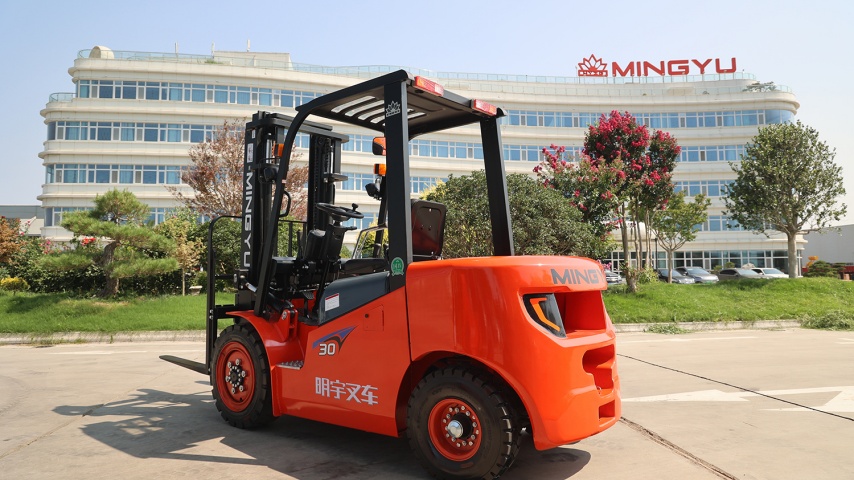
Step 11: Operational Performance Test
Functional testing confirms all systems operate correctly under load.
No-Load Operation: Travel forward and reverse at various speeds. Verify smooth acceleration, proper directional response, and effective braking. Test steering response in both directions.
Loaded Operation: With a typical load, test lift, lower, tilt, and travel functions. Monitor for unusual noises, vibrations, or hydraulic temperature rise.
Mast Drift Test: Raise the forks to maximum height, shut off hydraulic power, and observe for uncommanded descent. Excessive drift indicates internal cylinder leakage requiring seal replacement.
Brake Performance: Perform controlled stops at operating speed. The forklift should stop smoothly in a straight line without pulling or excessive pedal effort.
Step 12: Documentation and Reporting
Comprehensive documentation creates maintenance history, supports warranty claims, and ensures regulatory compliance.
Daily Inspection Log: Record inspection findings, fluid levels, operating hours, and any abnormalities. Operator and inspector signatures establish accountability.
Deficiency Reporting: Immediately report any defects affecting safety or operation. Tag out-of-service equipment and notify maintenance personnel.
Scheduled Maintenance Tracking: Monitor operating hours against manufacturer maintenance intervals. Plan upcoming services to minimize operational disruption.
Trend Analysis: Review maintenance records periodically to identify recurring problems, premature failures, or opportunities for operational improvements.
Conclusion
Effective forklift maintenance is not a single action but a disciplined daily practice. These twelve steps, when consistently executed, transform reactive repair approaches into proactive asset management. Organizations that invest in rigorous daily maintenance programs experience reduced downtime, lower total operating costs, extended equipment life, and—most importantly—safer working environments.
The few minutes invested in daily maintenance yield substantial returns: preventing a single catastrophic failure or accident justifies years of diligent inspection routines. Make daily forklift maintenance a non-negotiable operational standard, and your equipment will deliver reliable performance for its entire designed service life.
Name: selena
Mobile:+86-13176910558
Tel:+86-0535-2090977
Whatsapp:8613181602336
Email:vip@mingyuforklift.com
Add:Xiaqiu Town, Laizhou, Yantai City, Shandong Province, China
