
vip@mingyuforklift.com
+86-0535-2090977

This comprehensive technical article provides a structured framework for the regular maintenance of dual-fuel forklifts. Operating with both Liquid Propane Gas (LPG) and Gasoline requires a specialized maintenance approach that addresses the unique pressures, temperatures, and chemical properties of two distinct fuel systems.
1. Introduction: The Dual-Fuel Maintenance Philosophy
Dual-fuel forklifts are prized for their versatility, but this complexity introduces dual failure points. Maintenance is not merely about "fixing what is broken" but about preventative synchronization. Because LPG burns dryer and hotter than gasoline, and gasoline leaves residues that LPG does not, the engine environment is constantly shifting.
A professional maintenance program is divided into four critical tiers: Daily (Pre-Shift), Monthly (250 Hours), Quarterly (500–750 Hours), and Annual (2,000 Hours).
2. Tier 1: The Daily Pre-Shift Checklist
Safety and longevity begin before the key is turned. Operators must verify the integrity of the "interface" between the two fuel systems.
Visual and Physical Inspection
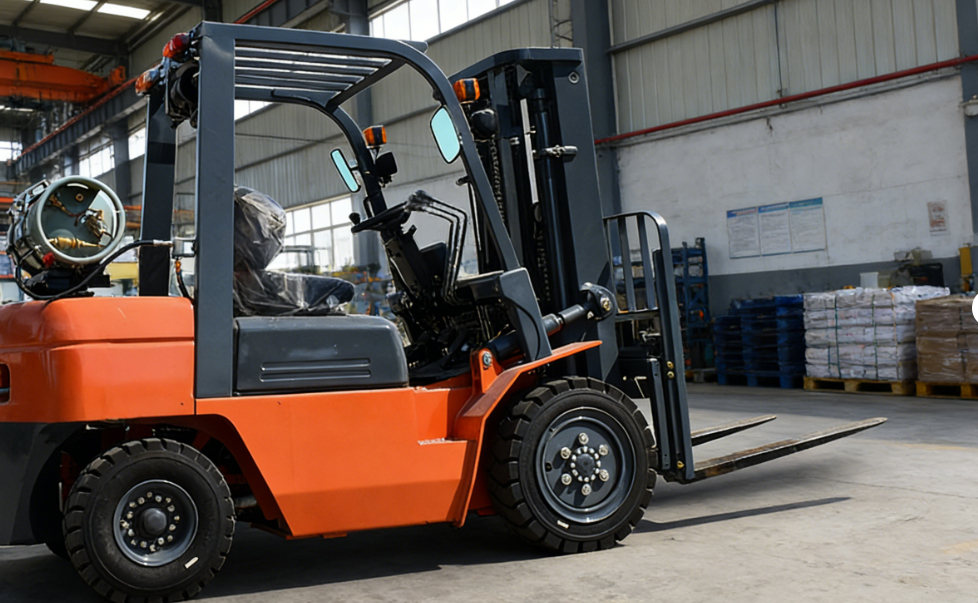
LPG Cylinder Seating: Check that the tank pin is engaged. An unseated tank can vibrate, leading to hairline fractures in the brass fuel lines.
Leak Detection (The "Sniff Test"): Smelling for mercaptan. If a leak is suspected, use a soap-and-water solution on the coupler; bubbles indicate a failure in the O-ring.
Fuel Selector Switch: Ensure the toggle moves cleanly. A "sticky" switch often indicates electrical arcing in the dash.
Tire Integrity: Check for "flat-spotting," which is common in dual-fuel units used in high-torque ramp climbing.
3. Tier 2: Monthly Maintenance (250-Hour Interval)
At the 250-hour mark, the focus shifts to the engine’s internal health and the filtration systems that protect it.
The Lubrication System
Oil Analysis: In dual-fuel engines, oil can look clean because LPG produces less soot, but the TBN (Total Base Number) may be depleted due to the high heat of propane combustion. Change oil and filters regardless of visual clarity.
Chassis Greasing: Lubricate the steer axle kingpins and mast trunnions.
The Air Induction System
Primary Filter Cleaning: Use low-pressure compressed air (max 30 psi) to blow out dust from the inside out.
Vacuum Hose Inspection: Dual-fuel systems rely on vacuum-actuated diaphragms in the vaporizer. Even a pinhole leak in a vacuum line will cause the engine to "hunt" (surge) at idle.
4. Tier 3: Quarterly Technical Service (500–750 Hours)
This tier involves the deep technical calibration of the fuel delivery components.
The Fuel System Deep-Dive
Vaporizer/Regulator Blow-down: LPG contains "heavy ends" (oily paraffin). Over time, these settle in the bottom of the vaporizer. Open the drain plug to remove this sludge, which otherwise prevents the diaphragm from moving freely.
Mixer Calibration: Inspect the air-fuel mixer for carbon buildup. If the forklift has been running primarily on gasoline, the mixer may be fouled.
Solenoid Valve Testing: Ensure both the gasoline and LPG solenoids close completely. "Fuel mixing" (both fuels entering the engine at once) will cause immediate flooding and engine stall.
Electrical and Ignition
Spark Plug Gapping: LPG requires a higher voltage to ignite than gasoline. Set gaps precisely to manufacturer specifications (typically narrower for dual-fuel units) to prevent coil pack burnout.
Battery Service: Clean terminals and check the specific gravity of the electrolyte.
5. Tier 4: Annual Comprehensive Overhaul (2,000 Hours)
The annual service is a "reset" for the machine, ensuring it meets OSHA and factory safety standards.
|
Component |
Action |
Critical Specification |
|
Cooling System |
Flush & Replace |
Use 50/50 Ethylene Glycol to prevent vaporizer freezing. |
|
Hydraulic Oil |
Full Change |
Filter replacement and magnet cleaning in the tank. |
|
Mast Chains |
Measurement |
Check for "stretch" or elongation; replace if >3% over original pitch. |
|
LPG Hoses |
Replacement |
High-pressure UL-rated hoses should be replaced to prevent dry-rot leaks. |
6. Environmental and Safety Compliance
Maintenance is also a legal requirement. In the United States, OSHA 1910.178 mandates that any power-operated industrial truck found to be in need of repair or in any way unsafe shall be removed from service until it is restored to a safe operating condition.
Carbon Monoxide (CO) Testing: Use a gas analyzer to check exhaust emissions. LPG should produce significantly less CO than gasoline. If CO levels are high, the vaporizer needs internal diaphragm replacement.
Data Logging: Keep a "Log Book" for every machine. In the event of an accident, a documented maintenance history is the primary defense against liability.
7. Troubleshooting the Maintenance Checklist
If a forklift passes the checklist but still performs poorly, look for these "Ghost Issues":
Vaporizer Frosting: This is rarely a fuel issue; it is almost always a cooling system air lock.
Backfiring on Gasoline: Often caused by a lean mixture or timing advance that was "tuned" specifically for the slower-burning LPG.
Hard Starting (Cold): Check the "Choke" or enrichment circuit on the carburetor, which often gets neglected when the machine is used primarily on LPG.
8. Summary: The Cost of Neglect vs. Maintenance
A well-maintained dual-fuel forklift can easily surpass 10,000 to 15,000 hours of service. Conversely, neglecting the 500-hour vaporizer drain or the 250-hour air filter check can result in a 30% drop in fuel efficiency and permanent valve seat recession.
Professional maintenance is an investment in the "Total Cost of Ownership" (TCO), ensuring the machine remains an asset rather than a liability.
Name: selena
Mobile:+86-13176910558
Tel:+86-0535-2090977
Whatsapp:8613181602336
Email:vip@mingyuforklift.com
Add:Xiaqiu Town, Laizhou, Yantai City, Shandong Province, China
