
vip@mingyuforklift.com
+86-0535-2090977

1. Introduction to Dual-Fuel Technology
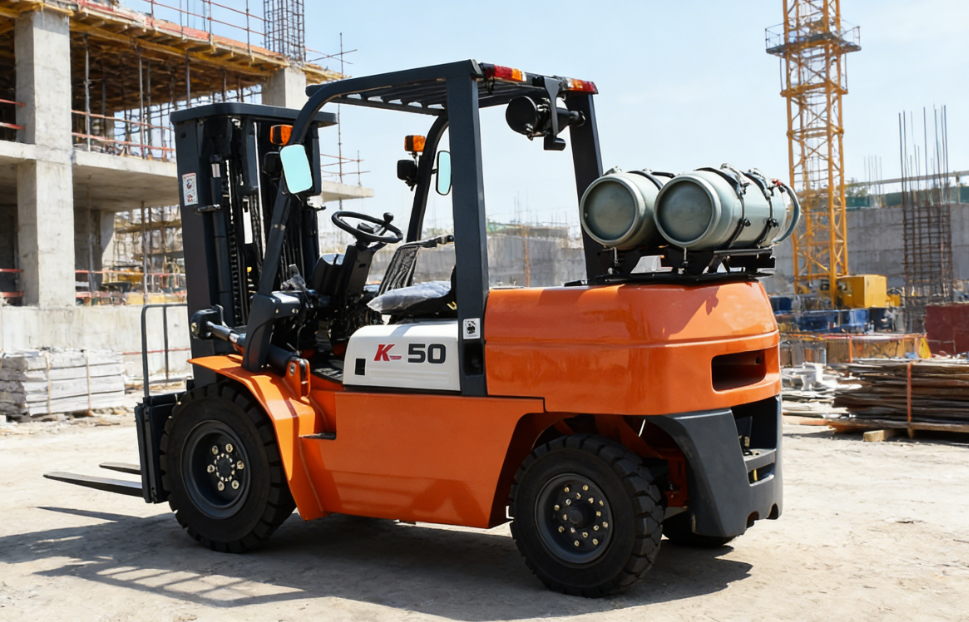
Dual-fuel forklifts are the workhorses of the modern warehouse, offering the high-torque performance of internal combustion (IC) engines with the flexibility of two energy sources. By utilizing a fuel selector switch, operators can toggle between gasoline (ideal for outdoor high-speed transit) and LPG (preferred for indoor use due to lower emissions).
Core Components
Fuel Selector Switch: A dash-mounted toggle that dictates the fuel flow from the solenoid valves.
LPG Vaporizer/Regulator: Converts liquid propane into a gaseous state for combustion.
Carburetor/Mixer: Ensures the correct air-to-fuel ratio for both fuel types.
2. Pre-Operational Inspection
Before igniting the engine, a rigorous physical inspection is mandatory to ensure safety and mechanical integrity.
The Walk-Around
Chassis and Tires: Inspect for cracks in the weld points and ensure tires are free of "chunking" or flat spots.
Hydraulic Systems: Check the mast chains, hoses, and cylinders for signs of "weeping" or fluid leaks.
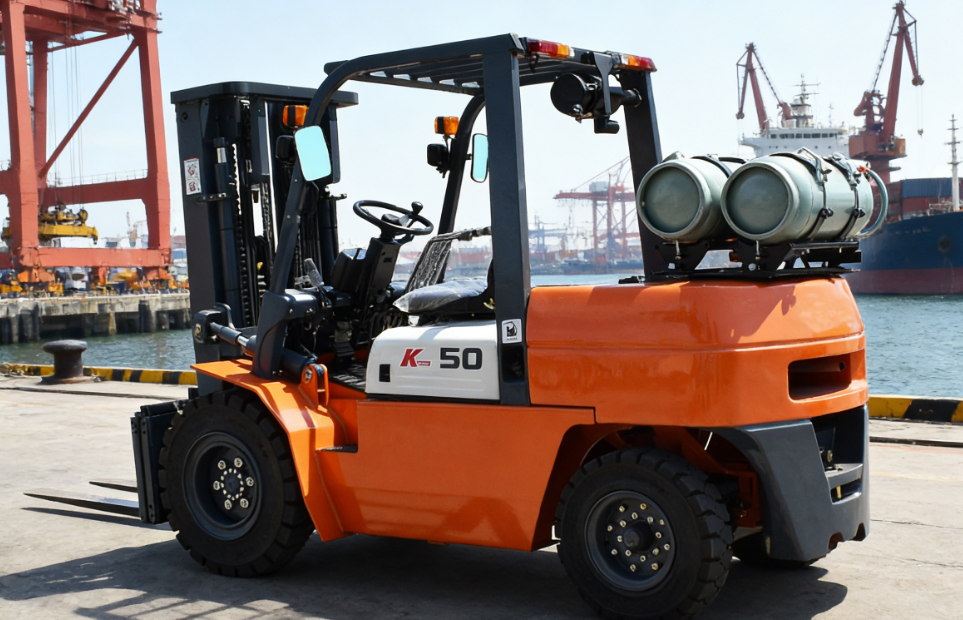
The Fuel System (Critical): * LPG Tank: Ensure the tank is seated correctly on the locating pin. A misplaced pin can cause the relief valve to point in the wrong direction.
O-Rings: Inspect the coupling for frost or the smell of mercaptan (the "rotten egg" odor added to propane), which indicates a leak.
3. Operational Protocols: Switching Fuels
The primary advantage of a dual-fuel system is versatility, but switching fuels incorrectly can lead to engine stalling or "vapor lock."
Best Practices for Switching
Neutral Start: Always start the engine in the fuel mode it was last shut down in.
The "Burn-Off" Method: When switching from Gasoline to LPG, move the switch to the center (neutral) position and wait for the engine to stumble before switching to LPG. This clears the carburetor bowl of residual gasoline.
Engine RPM: Never switch fuels under a heavy load or at high RPM. Bring the forklift to a complete stop and idle.
4. Periodic Maintenance Schedule
To maintain the longevity of a dual-fuel engine, technicians must adhere to a strict hourly maintenance interval.
Daily (Every 8–10 Hours)
Check engine oil and coolant levels.
Drain the water separator (if applicable).
Test the backup alarm and strobe lights.
Periodic (Every 250–500 Hours)
|
Component |
Action |
Reason |
|
Air Filter |
Replace/Clean |
Dual-fuel engines are sensitive to air-to-fuel ratios; a clogged filter causes "running rich." |
|
Spark Plugs |
Inspect/Gap |
LPG burns hotter than gasoline, leading to faster electrode erosion. |
|
Vaporizer |
Drain Oil/Gunk |
Heavy ends in LPG can accumulate as a thick oil in the regulator, causing idling issues. |
5. Advanced Technical Maintenance: The Fuel System
Maintaining the fuel system is the most technical aspect of dual-fuel forklift care.
The LPG Vaporizer (Regulator)
The vaporizer uses engine coolant to heat the liquid propane. If the engine's cooling system fails, the vaporizer will freeze, visible as a layer of frost on the exterior.
Instruction: Ensure the thermostat is opening correctly. If the vaporizer freezes, do not attempt to "thaw" it with boiling water; check the coolant level and the water pump belt instead.
The Mixer and Throttle Body
Over time, carbon deposits from gasoline and "heavy ends" from LPG can gum up the butterfly valves in the throttle body.
Instruction: Use a specialized carburetor cleaner to remove buildup. Ensure the linkage moves freely to prevent "surging" or "hunting" at idle.
6. Safety Procedures and Hazard Mitigation
Operating a dual-fuel forklift involves handling pressurized flammable gases and volatile liquids.
LPG Tank Handling
PPE: Always wear cryogenic-rated gloves and eye protection when changing tanks. Liquid propane can cause instant frostbite upon skin contact.
Storage: Store tanks in a well-ventilated outdoor locker. Never store LPG tanks near pit openings, as propane is heavier than air and will pool in low spots.
Gasoline Handling
Static Electricity: Ensure the forklift is grounded during refueling to prevent static discharge.
Spill Containment: Keep a Class B fire extinguisher and a spill kit within 15 feet of the refueling station.
7. Troubleshooting Common Issues
If the forklift fails to start or performs poorly, follow this diagnostic tree:
Engine Cranks but No Start:
Check if the fuel selector is in the "Neutral" position.
Check the LPG manual shut-off valve on the tank.
Verify the vacuum safety switch is engaging (this prevents fuel flow if the engine isn't turning).
Engine Overheating:
Inspect the radiator fins for dust (common in warehouses). Blow out with compressed air from the inside out.
Check for a "frozen" vaporizer, indicating a coolant flow blockage.
Rough Idling:
Check for vacuum leaks in the intake manifold.
The air-to-fuel mixture may need adjustment on the LPG regulator.
8. Conclusion
A dual-fuel forklift is a sophisticated piece of machinery that requires a "hybrid" mindset for maintenance. By respecting the nuances of both gasoline and LPG systems, facilities can enjoy reduced downtime and a significantly longer equipment lifespan. Consistency in pre-shift inspections and a proactive approach to the fuel system's cleanliness are the hallmarks of professional maintenance.
Name: selena
Mobile:+86-13176910558
Tel:+86-0535-2090977
Whatsapp:8613181602336
Email:vip@mingyuforklift.com
Add:Xiaqiu Town, Laizhou, Yantai City, Shandong Province, China
