
vip@mingyuforklift.com
+86-0535-2090977

High-temperature weather occurs frequently in summer. When forklifts operate for a long time in high-temperature environments, problems such as overheating of the hydraulic system and poor battery heat dissipation are likely to occur, which will not only lead to reduced equipment performance and frequent failures, but also may cause safety accidents. According to industry operation and maintenance data statistics, the incidence of forklift failures in summer is 45% higher than that in other seasons, of which hydraulic system overheating and battery failures account for more than 60%. Combined with the characteristics of summer operations and daily forklift maintenance requirements, this article sorts out practical strategies for forklift heatstroke prevention in summer, focusing on the key points of hydraulic system overheating prevention and battery heat dissipation maintenance, to help enterprises ensure stable equipment operation and improve the safety of summer operations.
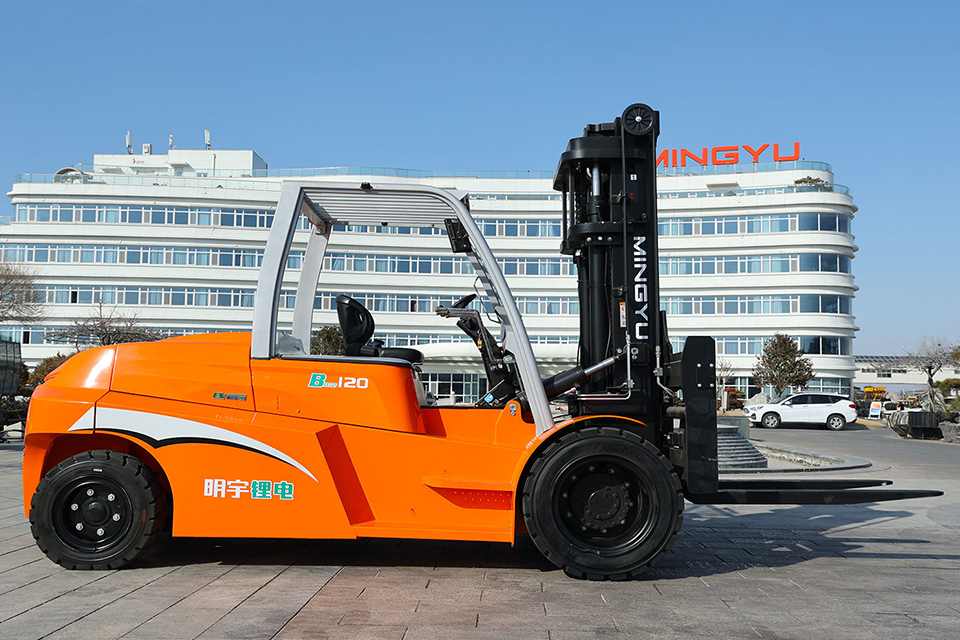
The impact of high summer temperatures on forklift operation is reflected in many aspects: high-temperature environments will accelerate the deterioration of hydraulic oil and cause abnormal pressure in the hydraulic system; for electric forklifts, high temperatures will affect battery heat dissipation efficiency and reduce battery capacity and service life; for internal combustion forklifts, high temperatures may also increase the risk of engine overheating. However, some enterprises do not pay enough attention to forklift heatstroke prevention in summer and lack targeted maintenance measures. They often wait until the equipment malfunctions before carrying out maintenance, which not only increases maintenance costs but also affects the operation progress. Professional equipment operation and maintenance engineers emphasize that forklift heatstroke prevention in summer needs to be arranged in advance and implemented with precise measures, focusing on the heat dissipation maintenance of the hydraulic system and battery, to reduce equipment loss caused by high temperatures from the source.
1. Hydraulic System Overheating Prevention: Scientific Maintenance to Ensure Stable Transmission. The hydraulic system is the "power transmission center" of the forklift. In high summer temperatures, hydraulic oil is prone to problems such as decreased viscosity and leakage due to elevated temperatures, which in turn leads to faults such as system overheating and weak lifting. To prevent hydraulic system overheating, the following key points should be done: First, regularly check the state of hydraulic oil. In summer, it is recommended to shorten the hydraulic oil replacement cycle by 20%-30%, select high-quality hydraulic oil suitable for high-temperature environments, and avoid using inferior hydraulic oil to aggravate system wear; Second, check hydraulic pipelines and heat dissipation devices. Before work every day, it is necessary to check whether the hydraulic pipelines are aging, damaged or leaking, and replace damaged pipelines and seals in time; at the same time, clean the dust and debris on the surface of the hydraulic oil radiator to ensure that the heat sink is unobstructed. If necessary, check the working state of the cooling fan to ensure the normal operation of the heat dissipation system; In addition, reasonably arrange the operation rhythm, avoid long-term continuous heavy-load operation of the forklift, and stop for 15-20 minutes to rest every 2-3 hours of operation, allowing the hydraulic system to cool naturally and reducing the risk of overheating.
2. Battery Heat Dissipation Maintenance: Targeted Measures by Type to Extend Life and Ensure Safety. As the core power source of electric forklifts, poor heat dissipation of batteries in high summer temperatures is likely to cause battery bulging, capacity attenuation, and even safety hazards such as thermal runaway; the starter battery of internal combustion forklifts also needs heat dissipation protection. The key points of heat dissipation maintenance for different types of batteries are as follows: For lead-acid batteries of electric forklifts, check whether the battery case is deformed or leaking before daily operation, clean the dust on the battery surface and heat dissipation channels to ensure smooth ventilation and heat dissipation; choose a cool and ventilated charging environment when charging, avoid charging during high-temperature periods, closely monitor the battery temperature during charging, and immediately stop charging and troubleshoot if abnormal heating occurs; For lithium battery forklifts, regularly check the heat dissipation function of the Battery Management System (BMS) to ensure that the cooling fan and heat dissipation pipeline work normally, avoiding thermal runaway of lithium batteries due to high temperatures; For the starter battery of internal combustion forklifts, check whether the terminals are loose or oxidized, clean the surrounding debris to ensure heat dissipation space, and avoid long-term exposure of the battery to direct sunlight.

In addition to the heatstroke prevention of core systems, attention should also be paid to details in forklift maintenance in summer: regularly check tire pressure, which is prone to increase in high temperatures, and adjust it to the standard range in time to avoid tire blowout caused by excessive tire pressure; check the brake system, high temperatures will affect the performance of brake fluid, and the brake fluid should be replaced regularly to ensure sensitive and reliable braking; equip operators with sun protection and cooling equipment, optimize work schedules, avoid high-intensity operations during the midday high-temperature period, and ensure the dual safety of personnel and equipment.
Professional personnel remind that enterprises should establish a special maintenance account for forklifts in summer, regularly conduct comprehensive inspections on core components such as the hydraulic system and battery, and timely find and deal with potential hazards. At the same time, strengthen operator training to enable them to master the maintenance skills of forklift heatstroke prevention in summer and emergency handling methods for faults. Through scientific and standardized heatstroke prevention measures, the incidence of forklift failures in summer can be effectively reduced, the service life of equipment can be extended, and the efficient and safe conduct of summer operations can be guaranteed.
Name: selena
Mobile:+86-13176910558
Tel:+86-0535-2090977
Whatsapp:8613181602336
Email:vip@mingyuforklift.com
Add:Xiaqiu Town, Laizhou, Yantai City, Shandong Province, China