
vip@mingyuforklift.com
+86-0535-2090977

In industrial material handling, warehousing, construction, and logistics operations, forklifts remain indispensable heavy-duty equipment for lifting, transporting, and stacking heavy loads. Operating a forklift without a valid, up-to-date operator license is not only a serious safety hazard but also a violation of workplace safety regulations across nearly all global jurisdictions. Forklift license renewal—often referred to as recertification in regions like the United States—is a mandatory process designed to verify that operators maintain competent skills, adhere to updated safety standards, and understand evolving equipment technologies and workplace risks. This article provides a thorough, technical breakdown of forklift license renewal requirements, covering core regulatory mandates, eligibility criteria, documentation, training and evaluation protocols, regional variations, and critical compliance best practices for operators, employers, and training providers.
1. Core Regulatory Foundations: Why Forklift License Renewal Is Mandatory
Forklift operator licensing and renewal are not arbitrary administrative steps; they are enforced by national and international occupational safety agencies to reduce workplace accidents, injuries, and fatalities. The primary global regulatory frameworks set non-negotiable rules for renewal intervals and minimum standards, with regional authorities adding jurisdiction-specific requirements.
In the United States, the Occupational Safety and Health Administration (OSHA) under 29 CFR 1910.178(l)(4) mandates that forklift operators complete formal recertification every three years from the date of their initial certification or last renewal. This regulation applies to all classes of powered industrial trucks, including counterbalance forklifts, reach trucks, pallet jacks, order pickers, and rough-terrain forklifts used in construction and outdoor sites. OSHA’s three-year renewal rule is non-waivable, even for operators with years of incident-free experience, as it addresses skill degradation, outdated safety knowledge, and new industry hazards.
In the United Kingdom, while formal forklift licenses do not have a fixed legal expiration date, industry-recognized bodies such as RTITB (Road Transport Industry Training Board), ITSSAR, and NPORS recommend refresher training and recertification every 3–5 years. Most UK employers and regulatory bodies require updated certification to comply with the Health and Safety at Work Act 1974, which mandates that employers ensure all equipment operators are fully competent and trained. In the European Union, ISO 18878:2015 sets international standards for forklift operator training and competence, requiring regular renewal to align with EU occupational safety directives.
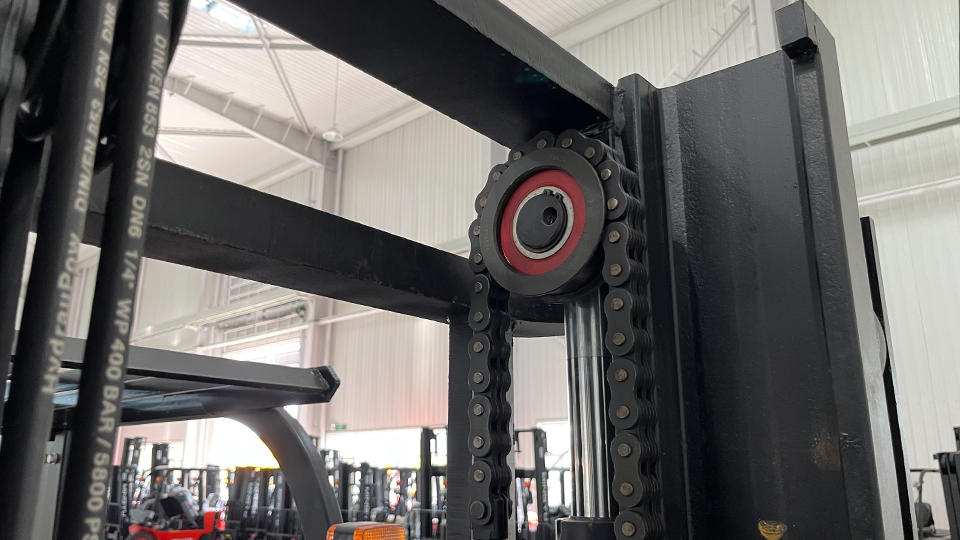
Beyond fixed-interval renewal, most jurisdictions require early recertification under specific high-risk conditions, regardless of the current license validity period. These triggers include: involvement in a forklift-related accident or near-miss incident; observed unsafe operation (e.g., speeding, improper load handling, ignoring safety protocols); assignment to operate a new or different class of forklift; significant changes to workplace layout (e.g., narrow aisles, ramps, elevated platforms) or load-handling procedures; and updated safety regulations or equipment technology that impacts safe operation. Employers bear legal responsibility for identifying these triggers and ensuring operators complete timely renewal training.
2. Eligibility Requirements for Forklift License Renewal
Before initiating the renewal process, operators must meet core eligibility criteria to qualify. These criteria are designed to ensure only active, competent, and physically fit operators can renew their licenses, preventing unqualified individuals from operating forklifts.
2.1 Valid, Unrevoked Current License
The primary eligibility requirement is holding a current, unexpired, and unrevoked forklift operator license or certification issued by an accredited training provider or regulatory authority. Licenses that have been revoked due to safety violations, repeated unsafe operation, or fraud are not eligible for renewal; operators in this case must complete full initial certification training from scratch. For licenses approaching expiration, most regions require renewal applications to be submitted 30–90 days before the expiration date to avoid a lapse in validity. Operating with an expired license is treated the same as unlicensed operation under most safety laws, carrying heavy fines for both operators and employers.
2.2 Active Operational Experience
Nearly all jurisdictions require proof of recent forklift operation experience to qualify for renewal. Typically, this means verifying that the operator has used a forklift regularly (at least 30–40 hours within the past 12 months) in a workplace setting. This requirement ensures that operators maintain hands-on proficiency and do not rely solely on theoretical knowledge. Inactive operators who have not used a forklift for an extended period may be required to complete a full refresher course or even initial training, rather than a standard renewal evaluation.
2.3 Clean Safety and Compliance Record
Operators with a history of serious forklift-related incidents, repeated safety violations, or failure to comply with workplace safety rules may be denied license renewal. Training providers and regulatory bodies will review the operator’s safety record, including incident reports, employer feedback, and any documented disciplinary actions. Minor safety infractions may require additional remedial training before renewal is approved, while major violations will result in renewal denial.
2.4 Physical and Mental Fitness
Forklift operation requires specific physical and mental capabilities to ensure safe load handling, maneuvering, and hazard awareness. Eligibility for renewal includes meeting minimum medical fitness standards, including: adequate vision (distance, peripheral, and depth perception, with or without corrective lenses); normal hearing to detect alarms and workplace warnings; sufficient physical strength, coordination, and balance to operate controls and respond to emergencies; and no medical conditions that impair judgment, reaction time, or mobility (e.g., uncontrolled epilepsy, severe dizziness, chronic fatigue, or substance use disorders). Some regions, such as California in the U.S. and parts of the EU, require a formal medical certificate from a licensed healthcare provider confirming fitness for forklift operation as part of the renewal process.
3. Mandatory Documentation for Forklift License Renewal
Complete, accurate documentation is critical to a smooth renewal process. Missing or incomplete paperwork will delay approval and may result in a lapsed license. While specific requirements vary by region, the following documents are universally required for forklift license renewal:
- Completed Renewal Application Form: A formal application provided by the accredited training provider or regulatory body, including personal details, license number, expiration date, employer information, and declaration of compliance with safety standards.
- Proof of Identity: Government-issued photo identification (e.g., driver’s license, passport, national ID card) to verify the operator’s identity and legal eligibility to work in the jurisdiction.
- Original Valid Forklift License/Certification: A copy of the current, unexpired forklift operator card or certificate, showing the issue date, expiration date, and accredited issuing body. Lost or damaged certificates require a replacement copy before renewal can proceed.
- Medical Fitness Certificate: In regions with mandatory medical requirements, a signed certificate from a licensed physician or occupational health professional confirming the operator meets physical and mental fitness standards for forklift operation.
- Employer Verification Letter: A signed letter from the current or most recent employer confirming the operator’s active forklift experience, job title, types of forklifts operated, and clean safety record. This document validates hands-on operational proficiency.
- Training Completion Proof: Documentation confirming completion of the mandatory renewal refresher training, including attendance records and course completion certificates from an accredited provider.
4. Renewal Training and Evaluation Protocols
Forklift license renewal is not a simple paperwork update; it requires formal refresher training and a comprehensive evaluation to verify theoretical knowledge and practical operational skills. The renewal process is more streamlined than initial certification but covers all critical safety and operational topics.
4.1 Refresher Training Curriculum
Renewal refresher training is typically 4–8 hours long (shorter than initial certification) and focuses on updated safety standards, common accident causes, and skill reinforcement. Core training topics include: updated OSHA, EU, or regional safety regulations; hazard identification and risk assessment in warehouses, construction sites, and outdoor work zones; proper load calculation, weight distribution, and stable stacking techniques; safe maneuvering in narrow spaces, on ramps, and around pedestrians; pre-operation equipment inspection (checks for brakes, steering, lifts, tires, and safety features); emergency procedures (stop protocols, fire response, load tipping, and first aid); and new equipment technologies (e.g., electric forklift safety features, automated guidance systems).
4.2 Dual Evaluation Components
To approve renewal, operators must pass two mandatory evaluations, both administered by a certified forklift trainer:
1. Written/Theoretical Exam: A multiple-choice or short-answer test covering safety regulations, equipment knowledge, load handling, and emergency protocols. A passing score of 80% or higher is standard across most jurisdictions.
2. Practical Hands-On Evaluation: A supervised on-site assessment where the operator demonstrates safe forklift operation, including pre-use inspection, load lifting and transport, stacking, maneuvering in tight spaces, and emergency stops. The trainer evaluates adherence to safety rules, control proficiency, and hazard response.
Operators who fail either evaluation must complete remedial training and retest within a specified period. Failure to pass after retesting requires full initial certification training.
5. Regional Variations in Renewal Requirements
While core safety principles are consistent globally, forklift license renewal rules vary significantly by region, which is critical for international logistics and construction businesses operating across borders.
5.1 United States (OSHA Standards)
Mandatory 3-year renewal; no federal medical requirement (state-specific rules apply); employer-led or third-party accredited training; expired licenses require full recertification; no national license—certification is employer or training provider-issued.
5.2 United Kingdom
No legal expiration, but 3–5 year industry recertification standard; RTITB/ITSSAR accredited training mandatory; medical self-certification or employer-led fitness checks; widely recognized across EU and Commonwealth countries.
5.3 European Union
ISO 18878 compliant training; 5-year renewal standard; mandatory medical fitness certificate; recognition across EU member states; covers all powered industrial truck classes.
5.4 Asia (China, Singapore, etc.)
Fixed 4-year renewal for official forklift licenses; mandatory government-approved training and testing; formal medical certification required; employer sponsorship for license application; expired licenses require full re-examination.
6. Consequences of Non-Compliance: Failing to Renew a Forklift License
Neglecting forklift license renewal carries severe legal, financial, and safety consequences for both operators and employers. Operating with an expired or invalid license exposes workplaces to:
- Legal Penalties: Heavy fines from regulatory bodies (OSHA fines in the U.S. can exceed $15,000 per violation for unlicensed operation); potential criminal liability in cases of serious injury or death caused by unlicensed operation.
- Safety Risks: Increased risk of forklift collisions, load tipping, pedestrian injuries, and equipment damage; higher likelihood of workplace fatalities, as unrenewed operators often lack updated safety skills.
- Financial Losses: Workers’ compensation claims, equipment repair costs, and production downtime due to accidents; insurance claim denials for incidents involving unlicensed operators.
- Employment Ramifications: Operators may face suspension, termination, or inability to secure forklift-related jobs; employers may lose contracts or face regulatory audits.
7. Best Practices for Smooth Forklift License Renewal
To ensure timely, hassle-free license renewal and maintain continuous compliance, operators and employers should follow these best practices:
- Track license expiration dates proactively, setting reminders 90 days before renewal is due.
- Use only accredited, regulatory-approved training providers to ensure certification validity.
- Complete medical fitness checks early to avoid last-minute delays.
- Maintain detailed records of training, evaluations, and safety incidents for renewal documentation.
- Stay updated on regional regulatory changes that may impact renewal requirements.
- Encourage ongoing safety training between renewal periods to maintain skills and compliance.
Conclusion
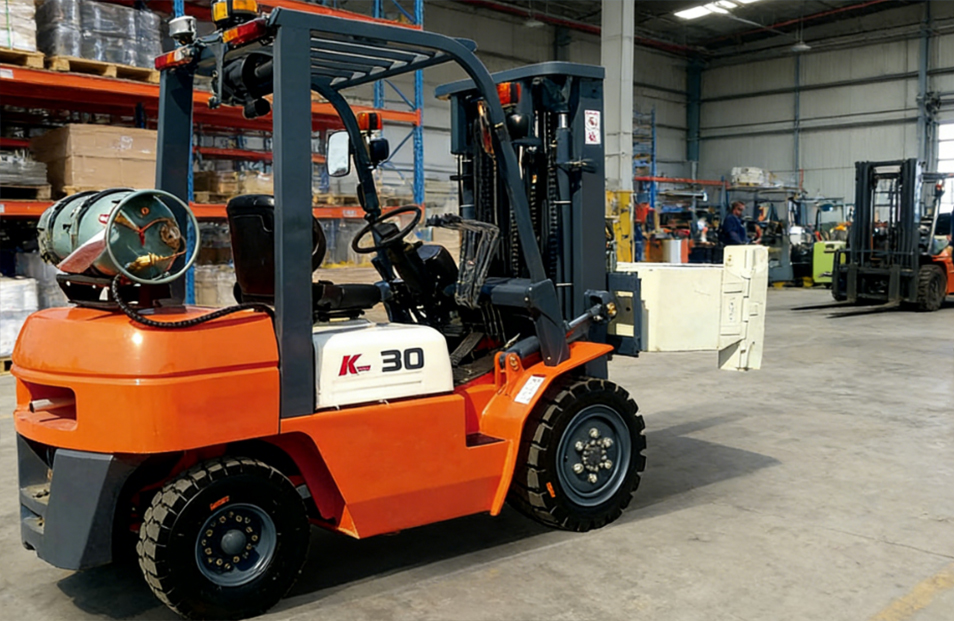
Forklift license renewal is a cornerstone of workplace safety and regulatory compliance in material handling and industrial operations. Mandated by global and regional safety authorities, the process ensures operators maintain competent, up-to-date skills to operate forklifts safely across diverse work environments—from indoor warehouses to outdoor construction sites and rough-terrain job sites. Understanding the core requirements: eligibility criteria, mandatory documentation, refresher training, dual evaluations, and regional variations, is essential for operators to maintain valid licensing and for employers to mitigate legal and safety risks.
For businesses in the forklift and logistics industry, ensuring all operators complete timely renewal is not just a legal obligation but a critical investment in workplace safety, operational efficiency, and risk management. By adhering to renewal protocols, operators and employers can reduce accidents, avoid penalties, and uphold the highest standards of safe material handling practices. As equipment technology and safety regulations evolve, regular license renewal remains the most effective way to keep forklift operations compliant, safe, and efficient worldwide.
Name: selena
Mobile:+86-13176910558
Tel:+86-0535-2090977
Whatsapp:8613181602336
Email:vip@mingyuforklift.com
Add:Xiaqiu Town, Laizhou, Yantai City, Shandong Province, China
