
vip@mingyuforklift.com
+86-0535-2090977

The Two Brake Pedals: Functions and Usage
Forklifts typically feature two distinct brake pedals that serve different operational purposes. Understanding when and how to use each is fundamental to safe and efficient operation.
The Service Brake Pedal (Right Pedal)
When to use it:
Normal braking during travel
Emergency stops
Standard deceleration when approaching intersections, corners, or loading docks
Bringing the forklift to a complete stop
The service brake functions similarly to brakes in conventional vehicles. It controls the braking system for all wheels and is used for the majority of braking operations during travel. This pedal provides immediate, full braking force and should be applied smoothly to prevent load shifting or tip-over hazards.
The Inching Brake Pedal (Left Pedal)
When to use it:
Precise positioning during load handling
Slow-speed maneuvering in tight spaces
Hydraulic operation while maintaining slight movement
Creeping forward or backward while lifting or lowering loads
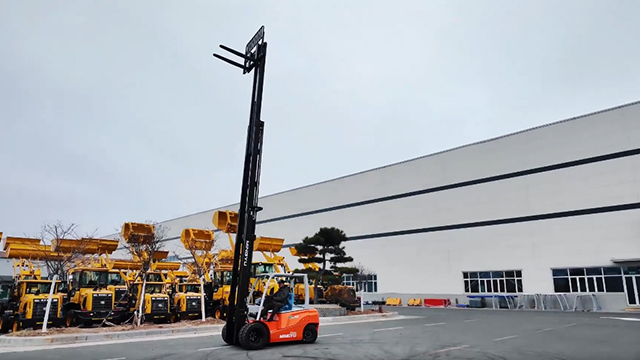
The inching brake—also called the clutch brake or combination brake—serves a dual function. When partially depressed, it disengages the drive transmission while allowing the engine to maintain power to the hydraulic system. This enables operators to make fine positional adjustments without fully stopping the forklift or releasing the accelerator.
Operational Scenarios
Loading/Unloading:
Use the inching brake when approaching a pallet or rack position. Depress the inching brake partially to slow movement while maintaining hydraulic power, allowing precise fork positioning without stopping completely. Once aligned, apply the service brake to secure the forklift before lifting.
High-Racking Operations:
When placing loads at height, the inching brake enables slow, controlled approach to rack positions. The partial disengagement of the transmission prevents sudden movements that could destabilize elevated loads.
Tight Space Navigation:
In narrow aisles or congested areas, alternate between the inching brake for controlled creep speed and the service brake for complete stops when changing direction or yielding.
Technical Design Rationale
The dual pedal system addresses a fundamental operational requirement: forklifts must simultaneously maneuver precisely and operate hydraulic lifting systems. In conventional vehicles, stopping the wheels means stopping the engine's power delivery. Forklifts require the engine to run at operating speed to power hydraulic pumps even when wheels should turn slowly or remain stationary.
The inching brake mechanism typically connects to a clutch system or hydrostatic transmission. Partial depression separates the engine power from the drive wheels while maintaining power take-off (PTO) connection to hydraulic pumps. This mechanical arrangement enables the precise control necessary for safe load handling.
Safety Considerations
Incorrect usage risks:
Using only the service brake for positioning creates jerky movements that can destabilize loads
Fully depressing the inching brake may stop hydraulic operation, preventing mast movement
Riding the inching brake excessively causes premature wear and overheating
Best practices:
Use the service brake for travel and complete stops
Reserve the inching brake for low-speed precision work
Release the inching brake gradually to prevent sudden lurches
Never use both pedals simultaneously as this strains the braking system
Modern Variations
Contemporary forklifts may feature integrated pedal systems or electronic controls that combine these functions. Some models use a single pedal with position-sensitive operation, where partial depression controls inching function and full depression applies service brakes. Electric forklifts with AC drive systems often use electronic inching controlled through the accelerator and brake interaction rather than mechanical pedal separation.
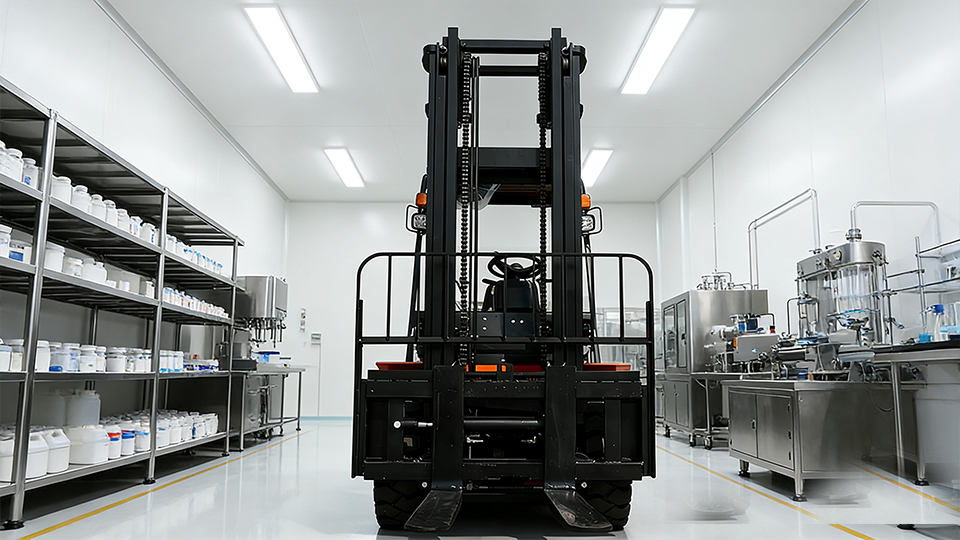
Understanding the distinct functions of these brake pedals enables operators to work more efficiently while maintaining safety standards in material handling operations.
Name: selena
Mobile:+86-13176910558
Tel:+86-0535-2090977
Whatsapp:8613181602336
Email:vip@mingyuforklift.com
Add:Xiaqiu Town, Laizhou, Yantai City, Shandong Province, China
