
vip@mingyuforklift.com
+86-0535-2090977

The decision to purchase a forklift represents a significant capital investment that fundamentally transforms material handling capabilities. Whether you're evaluating your first forklift acquisition or expanding an existing fleet, understanding the technical, economic, and operational factors driving this decision is essential. This comprehensive analysis examines why organizations across diverse industries choose to buy forklifts rather than rely on alternative material handling methods or rental arrangements.
The Capital Investment Decision Framework
Purchasing a forklift requires evaluating multiple dimensions beyond the initial acquisition cost. The total cost of ownership encompasses purchase price, financing costs, maintenance, operator training, insurance, and eventual disposal or trade-in value. When analyzed over a typical five-to-seven-year operational lifespan, owning equipment often proves more economical than long-term rental for organizations with consistent material handling needs.
The break-even analysis between purchasing and renting typically favors ownership when utilization exceeds 1,500 to 2,000 hours annually. Below this threshold, rental or lease arrangements may offer greater flexibility. However, organizations with predictable, ongoing material handling requirements generally achieve superior return on investment through equipment ownership, particularly when factoring in tax depreciation benefits and equity accumulation.
Operational Control and Availability
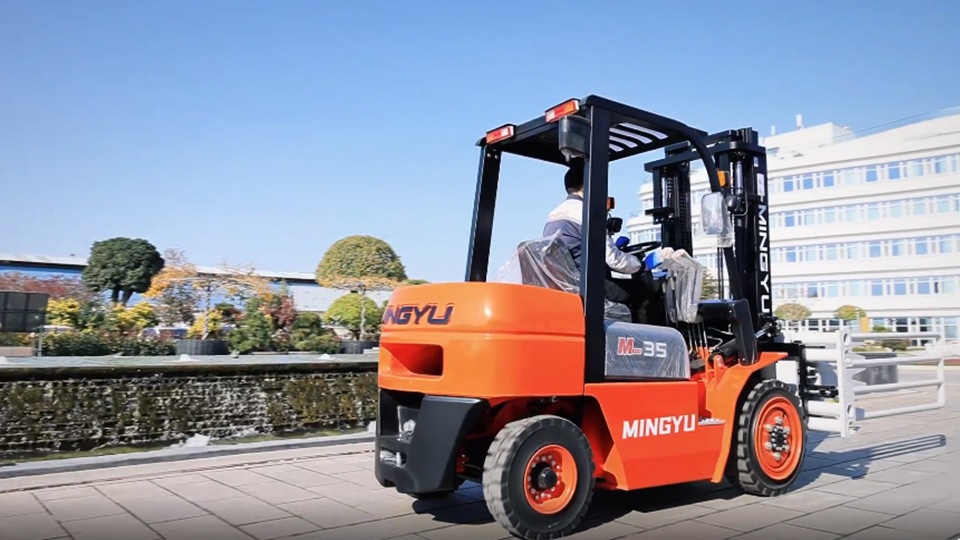
Ownership provides operational control that rental arrangements cannot match. When you buy a forklift, the equipment is available on-demand without scheduling constraints, delivery delays, or availability uncertainties. This guaranteed access proves critical for operations with time-sensitive material handling requirements, seasonal demand fluctuations, or just-in-time manufacturing dependencies.
Rental equipment availability becomes particularly problematic during peak seasons when multiple organizations compete for limited fleet resources. Ownership eliminates the risk of equipment unavailability during critical operational periods and removes the administrative burden of coordinating rental logistics, delivery scheduling, and return procedures.
Furthermore, owned equipment can be configured precisely to operational requirements. Rental fleets typically offer standardized specifications that may not optimize performance for specific applications. Ownership enables customization through specialized attachments, ergonomic modifications, and performance tuning that enhance productivity for unique material handling challenges.
Customization and Application Optimization
Purchased forklifts can be modified and accessorized to address specific operational requirements without rental agreement restrictions. This customization capability transforms standard equipment into optimized tools for specialized applications.
Mast configuration options include standard two-stage masts for general warehouse operations, triple-stage masts for high-density vertical storage, and quad-stage masts for exceptional lift heights exceeding 20 feet. The ability to select precise mast specifications ensures optimal performance for your specific racking configuration and ceiling height constraints.
Attachment integration expands functional capabilities beyond standard pallet handling. Side shifters enable lateral load adjustment without repositioning the entire forklift. Paper roll clamps handle cylindrical materials in printing and manufacturing operations. Carton clamps manage unitized loads without pallets. Push-pull systems facilitate slip-sheet handling for high-volume shipping operations. These attachments represent capital investments that rental agreements typically cannot accommodate economically.
Environmental modifications address specific operational conditions. Cold storage packages protect hydraulic systems and batteries in freezer environments. Corrosion-resistant coatings extend equipment lifespan in chemical processing or outdoor applications. Explosion-proof specifications enable safe operation in hazardous material handling environments. Such specialized configurations require ownership to justify the incremental investment.
Maintenance Control and Equipment Longevity
Ownership provides complete control over maintenance protocols, enabling proactive management that extends operational lifespan and optimizes performance. Rental equipment maintenance schedules follow standardized protocols that may not address specific operational stress factors or usage patterns.
Comprehensive maintenance programs for owned equipment include predictive maintenance based on actual usage patterns rather than generic time-based intervals. Oil analysis, vibration monitoring, and thermal imaging identify developing issues before catastrophic failure occurs. This proactive approach minimizes unplanned downtime and extends equipment service life significantly beyond typical rental fleet utilization periods.
The ability to select maintenance providers and parts sources creates competitive pressure that controls long-term maintenance costs. Ownership eliminates rental company markup on maintenance services and enables in-house maintenance capabilities for organizations with appropriate technical resources. Even when outsourcing maintenance, ownership provides leverage in service contract negotiations and vendor selection.
Technological Integration and Fleet Management
Modern forklifts incorporate sophisticated telematics and fleet management capabilities that require ownership to fully leverage. These integrated systems transform material handling equipment from isolated machines into connected components of comprehensive operational management platforms.
Operator authentication systems ensure that only trained and authorized personnel operate equipment, maintaining compliance with regulatory requirements and reducing incident risk. Pre-operation inspection digitization streamlines safety protocols while generating compliance documentation. Impact monitoring identifies operator training needs and equipment damage events in real-time. Utilization tracking optimizes fleet size and deployment based on actual operational data rather than estimates.
These technological capabilities require investment in infrastructure and integration that rental arrangements cannot support economically. Ownership enables organizations to implement comprehensive fleet management systems that optimize equipment deployment, maintenance scheduling, and operational efficiency across extended time horizons.
Financial and Tax Considerations
The financial structure of forklift ownership offers advantages that rental payments cannot replicate. Depreciation deductions, Section 179 expensing provisions, and bonus depreciation opportunities create tax benefits that reduce effective acquisition costs significantly.
Section 179 of the Internal Revenue Code enables immediate expensing of qualifying equipment purchases up to specified limits, accelerating tax benefits compared to depreciation schedules. Bonus depreciation provisions allow additional first-year deductions that can offset a substantial portion of acquisition costs. These tax advantages are unavailable for rental payments, which are deductible only as ordinary business expenses without the capital investment benefits.
Ownership also builds equity that can be leveraged for trade-in value on future equipment purchases. Well-maintained forklifts retain significant residual value that reduces net ownership costs when equipment is eventually replaced. This equity accumulation does not occur with rental arrangements where payments represent pure expense without asset value creation.
Operator Familiarity and Productivity
Consistent equipment assignment enables operators to develop proficiency that transient rental equipment cannot match. Familiarity with specific machine characteristics—including control response, visibility patterns, and operational quirks—enhances productivity and safety compared to adapting to different rental units with varying specifications and wear conditions.
Operator efficiency improvements from equipment familiarity compound over time, generating productivity gains that justify ownership investment. Experienced operators on familiar equipment work faster with fewer errors, reducing product damage and operational delays. This productivity optimization requires consistent equipment access that rental arrangements disrupt through equipment rotation and specification variation.
Strategic Capacity Planning
Ownership supports strategic capacity planning that rental flexibility cannot accommodate. Material handling equipment represents critical infrastructure that must align with operational growth projections, facility modifications, and supply chain evolution.
Purchasing decisions integrate with long-term facility planning, enabling racking system design, aisle width optimization, and workflow engineering based on specific equipment capabilities. This integrated planning approach maximizes operational efficiency compared to retrofitting rental equipment into existing infrastructure constraints.
Ownership also provides capacity assurance for operational expansion. Equipment availability constraints cannot delay growth initiatives when owned equipment provides guaranteed capacity. This strategic control proves particularly valuable for organizations with aggressive growth trajectories or market expansion objectives.
Risk Management and Insurance Considerations
Equipment ownership enables customized risk management approaches that rental standardization cannot accommodate. Insurance coverage can be tailored to specific operational risks, equipment values, and loss scenarios rather than accepting rental company coverage terms and limitations.
Owned equipment can be insured for replacement value that reflects actual replacement costs rather than depreciated rental fleet valuations. Coverage terms can address specific operational exposures, including high-value load handling, hazardous material environments, or specialized applications. Deductibles and coverage limits can be optimized based on organizational risk tolerance and financial capacity.
Furthermore, ownership eliminates exposure to rental company damage claim disputes. Rental agreements typically include provisions that assign liability for damage regardless of operational circumstances, creating potential for significant unplanned expenses. Ownership provides control over maintenance quality and operational protocols that reduce damage risk and associated costs.
Sustainability and Environmental Compliance
Ownership enables environmental compliance strategies that rental fleet standardization cannot support. Organizations with sustainability objectives can select electric or alternative fuel forklifts that align with environmental commitments, regardless of rental fleet composition.
Electric forklift ownership supports zero-emission operational goals with charging infrastructure investment that rental arrangements cannot justify. Hydrogen fuel cell integration, while currently limited, becomes feasible for owned equipment with appropriate infrastructure commitment. These environmental strategies require ownership to implement effectively.
Additionally, ownership enables end-of-life equipment management that supports sustainability objectives. Responsible disposal, refurbishment, or recycling of owned equipment can be managed according to organizational environmental standards rather than accepting rental company disposal practices.
Competitive Advantage Through Equipment Capability
Superior material handling capabilities create competitive advantages that justify ownership investment. Faster throughput, higher stacking capabilities, and specialized handling functions enable operational performance that competitors relying on basic rental equipment cannot match.
In industries where material handling efficiency directly impacts customer service levels, equipment ownership enables service differentiation that supports premium pricing and market share growth. The ability to handle specialized products, operate in challenging environments, or maintain high-velocity throughput creates competitive positioning that rental equipment standardization cannot support.
Conclusion
The decision to buy a forklift transcends simple equipment acquisition. Ownership represents strategic infrastructure investment that provides operational control, customization capability, financial advantages, and competitive positioning unavailable through rental or manual material handling alternatives.
Organizations with consistent material handling requirements, growth trajectories, quality commitments, or specialized operational needs achieve superior returns through forklift ownership. The combination of operational control, customization flexibility, financial benefits, and strategic capability creates value that extends far beyond the initial capital outlay.
While rental arrangements offer flexibility for variable or short-term requirements, permanent material handling infrastructure demands ownership investment. The technical capabilities, economic benefits, and strategic advantages examined in this analysis demonstrate why purchasing a forklift represents the optimal approach for organizations committed to operational excellence in material handling.
Name: selena
Mobile:+86-13176910558
Tel:+86-0535-2090977
Whatsapp:8613181602336
Email:vip@mingyuforklift.com
Add:Xiaqiu Town, Laizhou, Yantai City, Shandong Province, China
