
vip@mingyuforklift.com
+86-0535-2090977

Introduction
Forklifts represent substantial capital investments for warehouses, manufacturing facilities, and distribution centers, with individual units costing $15,000 to $150,000 depending on capacity and specifications. Yet the purchase price represents only a fraction of total ownership cost—maintenance, repairs, downtime, and premature replacement can multiply lifetime costs several times over. A well-executed maintenance program transforms these expenses from unpredictable liabilities into manageable, optimized investments.
This technical guide examines comprehensive forklift maintenance from daily operator inspections through major component overhauls. Drawing from manufacturer specifications, industry standards, and field-proven practices, we provide actionable procedures for maintaining electric and internal combustion forklifts across all operational environments. The goal is extending service life, ensuring safety compliance, minimizing unplanned downtime, and optimizing total cost of ownership.
Establishing a Maintenance Framework: The Foundation of Reliability
Effective maintenance begins with systematic organization rather than reactive repair. Facilities must establish programs matching operational intensity, environmental conditions, and regulatory requirements.
Maintenance Classification Systems
Forklift maintenance typically follows a tiered structure:
Daily/Pre-Operational Inspections: Operator-conducted checks required by OSHA regulation 1910.178(l) before each shift or daily use. These inspections identify obvious defects affecting safety and operation.
Scheduled Preventive Maintenance (PM): Technician-performed services at hour-based or calendar intervals. PM intervals typically occur at 250, 500, 1,000, and 2,000 operating hours, with major overhauls at 4,000+ hours.
Corrective Maintenance: Unscheduled repairs addressing component failures identified through inspection or operational malfunction.
Predictive Maintenance: Condition-based monitoring using oil analysis, vibration analysis, and thermal imaging to identify degradation before failure.
Documentation and Compliance
OSHA mandates that forklift inspections and maintenance be documented and retained. Modern fleet management systems track maintenance history, generate work orders, and provide audit trails. Even paper-based systems require organized record-keeping including date, technician, findings, and corrective actions.
Daily Operator Inspections: The First Line of Defense
Daily inspections catch developing problems before they cause failures or safety incidents. OSHA requires these inspections, and thorough execution prevents minor issues from becoming major repairs.
Exterior and Structural Inspection
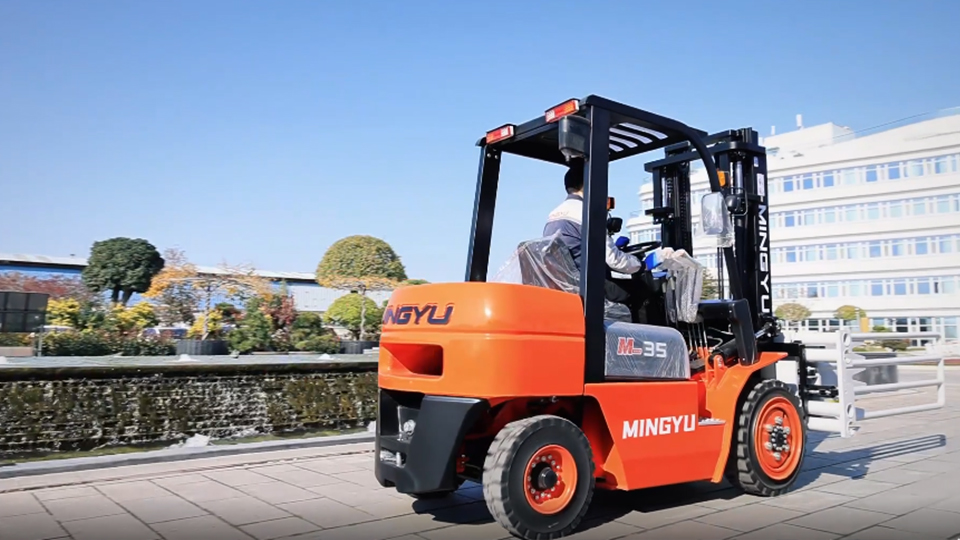
Operators should visually examine the forklift for obvious damage: dents or cracks in the overhead guard, bent or damaged forks, fluid leaks beneath the unit, and tire condition including cuts, chunking, or embedded debris. Tire pressure (for pneumatic tires) should meet manufacturer specifications—underinflation causes premature wear and stability problems; overinflation reduces traction and increases impact damage.
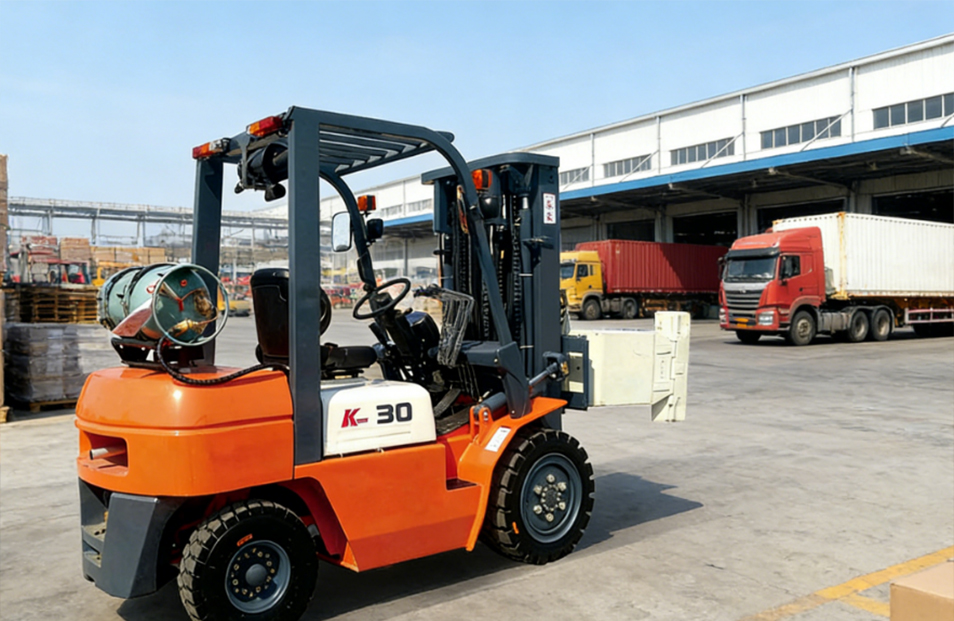
The battery or fuel system requires attention: electric forklift operators check electrolyte levels (if accessible), cable condition, and connector integrity. IC forklift operators verify fuel levels, check for LPG cylinder damage or leaks, and ensure proper fuel system connections.
Operational Function Tests
Before lifting loads, operators must verify all control functions:
Hydraulic System: Test lift, lower, tilt, and attachment functions through full ranges. Check for smooth operation without jerking, unusual noises, or drift (uncommanded movement indicating internal cylinder leakage). The forks should not drop more than inches per hour when raised and shut off—excessive descent indicates worn lift cylinder seals or control valve problems.
Braking System: Test service brakes at low speed in an open area; verify parking brake holds on slight inclines. Brake pedal travel should feel firm, not spongy.
Steering: Check for excessive play, binding, or unusual effort. Rear-wheel steering systems should respond immediately to input without delay or "dead spots."
Warning Devices: Verify horn, lights, backup alarm, and any other safety devices function properly.
Fluid Level Checks
IC forklift operators check engine oil, coolant, transmission fluid, and hydraulic oil levels. Low levels indicate leaks or consumption requiring investigation. Operators should never add fluids without identifying why levels dropped—topping off without addressing root causes masks problems until catastrophic failure occurs.
Electric Forklift Battery Maintenance: The Critical System
Battery maintenance often determines electric forklift longevity more than any other factor. Proper care extends battery life from 2-3 years to 5-7 years or more—a difference worth thousands of dollars per unit.
Watering Procedures
As detailed in technical battery maintenance literature, watering represents the most critical routine task. Only deionized or distilled water should ever enter cells—minerals in tap water cause irreversible plate damage. Water after charging, never before, to prevent electrolyte overflow during the charging cycle's thermal expansion.
Watering frequency depends on operational intensity: single-shift operations typically require weekly watering; multi-shift or opportunity-charging applications may need daily attention. Water to the indicator level or just above the plates, never to the cell top. Single-point watering systems reduce labor and improve consistency for large fleets.
Charging Protocols
Proper charging extends battery life and maintains capacity. Key principles include:
Complete Charging Cycles: Avoid opportunity charging (topping off during breaks) with lead-acid batteries unless specifically designed for such operation. Partial charges cause sulfation—crystalline buildup on plates reducing capacity.
Temperature Management: Batteries generate heat during charging. Allow cooling periods before returning to service, and ensure charging areas have adequate ventilation. High temperatures accelerate grid corrosion and water loss.
Equalization Charges: Periodic extended charges (typically monthly) balance cell voltages and prevent electrolyte stratification. These intentional overcharges increase water consumption but maintain battery health.
Cleaning and Physical Care
Battery tops must remain clean and dry. Electrolyte spillage creates conductive paths between terminals and cases, causing parasitic discharge and potential short circuits. Wash batteries periodically with baking soda solution to neutralize acid, then rinse with clean water. Keep vent caps in place during operation to prevent electrolyte splash.
Inspect cables and connectors weekly. Damaged insulation, corroded terminals, or loose connections create resistance, reducing performance and generating heat that can damage components. Apply anti-corrosion compounds to terminals after cleaning.
Internal Combustion Engine Maintenance
IC forklifts require automotive-style engine maintenance adapted for industrial operating conditions—often more severe than highway driving due to dust, temperature extremes, and frequent cold starts.
Engine Oil and Filtration
Engine oil lubricates, cools, cleans, and seals internal components. Oil change intervals range from 250 to 500 hours depending on engine type, oil quality, and operating conditions. Severe service—dusty environments, frequent cold starts, extended idling—requires more frequent changes.
Use oils meeting manufacturer specifications for viscosity and API service classification. Many modern forklifts specify 10W-30 or 15W-40 multigrade oils with CI-4 or CJ-4 ratings for diesel engines. LPG engines may require different formulations addressing fuel dilution concerns.
Oil analysis programs extend change intervals while identifying developing problems. Laboratories report viscosity, contamination levels, wear metals, and additive depletion, enabling condition-based maintenance rather than arbitrary interval changes.
Cooling System Maintenance
Engine cooling systems prevent overheating that causes head gasket failure, piston scoring, and bearing damage. Maintenance includes:
Coolant Level Monitoring: Check daily; low levels indicate leaks or consumption requiring investigation.
Coolant Replacement: Traditional green coolant requires replacement every 2 years; extended-life organic acid technology (OAT) coolants last 5 years or longer. Mixing coolant types causes chemical reactions reducing protection.
Radiator Cleaning: External fins clog with dust and debris, reducing heat transfer. Blow out radiators with compressed air weekly in dusty environments; use foaming cleaners for stubborn buildup.
Thermostat and Water Pump: These components ensure proper coolant circulation and temperature regulation. Overheating or slow warm-up indicates potential thermostat failure; coolant leaks or bearing noise suggest water pump problems.
Fuel System Care
LPG systems require particular attention due to fuel system complexity. Regulators reduce cylinder pressure (150-250 PSI) to usable levels (approximately 0.5 PSI at the mixer). Regulator diaphragms degrade over time, causing poor performance or fuel leaks. Inspect hoses for cracking, abrasion, or softening; replace every 5 years regardless of apparent condition.
Fuel filters protect carburetors or fuel injection components from contaminants. Replace filters at specified intervals, and never operate with known contaminated fuel—dirt causes irreversible damage to precision fuel metering components.
Diesel systems require water separator draining and fuel filter replacement to prevent injection pump and injector damage from water or particulate contamination.
Hydraulic System Maintenance
Hydraulic systems generate the forces enabling forklift lifting and manipulation. Maintenance focuses on fluid cleanliness and component integrity.
Hydraulic Fluid Management
Hydraulic fluid cleanliness directly impacts component life. Contaminated fluid causes valve sticking, cylinder scoring, pump wear, and seal failure. Maintain cleanliness codes of ISO 18/16/13 or better through quality filtration.
Fluid analysis monitors contamination levels, water content, and additive depletion. Change intervals typically range 2,000-4,000 hours, though severe applications require more frequent service. Always use fluid meeting manufacturer specifications for viscosity and additive package—mixing incompatible fluids causes chemical breakdown and system damage.
Filter Maintenance
High-pressure filters protect sensitive valves and cylinders; return filters clean fluid before reservoir entry. Replace filters at specified intervals or when pressure differential indicators show restriction. Never operate with bypassed or removed filters—saved filter costs pale beside component replacement expenses.
Seal and Hose Inspection
Hydraulic hoses degrade from flexing, heat, and environmental exposure. Inspect daily for cuts, abrasion, kinking, or leaking fittings. Hose rupture causes immediate loss of function and potential safety hazards from high-pressure fluid injection.
Cylinder rod seals prevent fluid escape while excluding contaminants. Inspect rods for scoring or corrosion that damages seals; address leaks promptly before they worsen. External leaks indicate imminent internal seal failure affecting performance.
Mast and Carriage Maintenance
The mast and carriage assembly experiences tremendous stress and requires regular attention to maintain safety and function.
Chain Maintenance
Lift chains transmit cylinder force to raise the carriage. These critical components require:
Lubrication: Chains need regular lubrication with penetrating oils or chain lubricants that penetrate pins and bushings while resisting wash-off. Dry chains wear rapidly and can fail without warning.
Wear Inspection: Measure chain elongation annually; replace chains exceeding 3% elongation or showing cracked plates, damaged rollers, or corrosion. Always replace chains in matched sets—mixing old and new chains causes uneven loading and premature failure.
Anchor Points: Inspect chain anchors at the mast top and carriage for cracks, elongation, or loose fasteners. These points experience the full lifting load.
Roller and Bearing Care
Mast channels and carriage rollers require lubrication and inspection. Worn rollers cause binding, requiring increased hydraulic pressure and causing uneven wear. Replace rollers showing flat spots, cracks, or excessive clearance before they damage expensive mast channels.
Fork Inspection and Maintenance
Forks are forged steel components rated for specific capacities. Inspect regularly for:
Cracks: Particularly at the heel (bend area) and mounting hooks—cracked forks must be replaced immediately, never repaired by welding.
Wear: Fork thickness decreases with use; replace when wear exceeds 10% of original thickness.
Straightness: Bent forks indicate overload or impact damage and require replacement or professional straightening.
Positioning: Ensure forks are properly seated in carriage hooks and locking pins engage securely.
Steering and Drive System Maintenance
These systems enable forklift mobility and require maintenance ensuring precise control and reliability.
Steering System Maintenance
Hydraulic power steering systems share fluid with the main hydraulic system in many designs; others use dedicated fluids. Check fluid levels and inspect hoses, cylinders, and linkages for leaks or wear. Excessive play or effort indicates worn steering gears, linkages, or hydraulic problems requiring adjustment or repair.
Drive axle maintenance includes lubricant level checks, seal inspection, and brake service. Planetary final drives in heavy-duty applications require specific lubricants and change intervals.
Brake System Maintenance
Forklift brakes work harder than automotive brakes due to weight and operational demands. Service includes:
Drum or Disc Inspection: Measure lining thickness; replace when worn to manufacturer minimums. Resurface drums showing scoring or out-of-round conditions.
Hydraulic Brake Fluid: Maintain proper level with fluid meeting DOT specifications. Contaminated or degraded fluid requires system flushing.
Parking Brake: Adjust to hold on specified grades; replace worn components affecting holding capacity.
Tire Maintenance and Replacement
Forklift tires significantly impact stability, traction, and operator comfort while representing substantial replacement costs.
Cushion Tire Care
Solid rubber cushion tires used on smooth indoor surfaces require inspection for chunking, tearing, and wear. Bond separation between rubber and rim requires immediate replacement. Maintain proper press-on rim fit; loose tires create dangerous instability.
Pneumatic Tire Maintenance
Pneumatic tires require pressure maintenance for proper wear and load capacity. Underinflation causes sidewall damage and heat buildup; overinflation reduces traction and increases impact damage. Check pressure weekly and maintain to manufacturer specifications.
Polyurethane Tire Considerations
Polyurethane press-on tires offer extended wear in high-use applications but provide less cushioning than rubber. Inspect for bond failure and excessive wear affecting truck stability.
Planned Maintenance Programs: Optimization Strategies
Beyond component-specific care, systematic maintenance programs optimize resource allocation and equipment availability.
Interval Optimization
Manufacturer maintenance schedules provide starting points; operational experience should refine intervals. Equipment operating in clean, climate-controlled environments may extend intervals; dusty, hot, or corrosive environments require more frequent service. Condition monitoring through oil analysis and inspection data enables evidence-based interval adjustment.
Technician Training and Certification
Forklift maintenance requires specialized knowledge beyond general mechanical skills. Technicians need training on specific forklift systems, hydraulic principles, and safety procedures. Manufacturer certification programs ensure competency on particular equipment brands.
Parts Inventory Management
Critical spare parts availability minimizes downtime. Analyze failure patterns to stock appropriate inventory—common wear items like filters, hoses, and seals; critical components like controllers or pumps for high-value applications.
Conclusion
Forklift maintenance integrates daily attention, scheduled preventive services, and strategic condition monitoring into a comprehensive program preserving equipment value and ensuring operational safety. The investment in maintenance—typically 5-10% of equipment value annually—returns dividends through extended service life, reduced downtime, and avoidance of catastrophic failures.
Successful programs treat maintenance as a technical discipline rather than an afterthought. They document activities, analyze trends, train personnel, and continuously improve based on operational experience. In an era of increasing automation and fleet connectivity, maintenance evolves from wrench-turning to data-driven optimization, yet the fundamental principles remain: clean fluids, proper adjustments, worn component replacement, and attention to detail.
Organizations mastering forklift maintenance transform material handling from a cost center into a competitive advantage—equipment runs when needed, operates efficiently, and serves reliably for its full designed lifespan. The technical knowledge and systematic procedures outlined in this guide provide the foundation for achieving that operational excellence.
Name: selena
Mobile:+86-13176910558
Tel:+86-0535-2090977
Whatsapp:8613181602336
Email:vip@mingyuforklift.com
Add:Xiaqiu Town, Laizhou, Yantai City, Shandong Province, China
