
vip@mingyuforklift.com
+86-0535-2090977

In the modern industrial landscape, efficiency and productivity are paramount. Whether you're managing a warehouse, operating a manufacturing facility, running a construction site, or handling logistics for a retail distribution center, the question of material handling equipment inevitably arises. Among the myriad of tools and machines available, the forklift stands out as one of the most versatile and essential pieces of equipment. But why exactly do you need a forklift? This technical article explores the fundamental reasons, applications, and considerations that make forklifts indispensable across numerous industries.
The Economics of Manual vs. Mechanized Handling
Before diving into the technical specifications and capabilities of forklifts, it's crucial to understand the economic imperative behind mechanized material handling. Manual material handling—relying on human labor to move, lift, and transport goods—imposes significant limitations on operational capacity. The average worker can safely lift approximately 50 pounds repeatedly throughout a workday, with maximum single-lift capacity rarely exceeding 100 pounds without risk of injury. When you consider that a standard pallet of goods can weigh anywhere from 1,000 to 4,000 pounds, the limitations become immediately apparent.
Forklifts fundamentally transform this equation. A standard warehouse forklift can lift loads ranging from 3,000 to 5,000 pounds, while heavy-duty models can handle up to 100,000 pounds or more. This capacity isn't just about strength—it's about consistency. A forklift can maintain this lifting performance across multiple shifts, seven days a week, with proper maintenance. The return on investment calculation becomes compelling when you factor in reduced labor costs, decreased workplace injuries, and dramatically increased throughput.
Vertical Storage Optimization
One of the most significant technical advantages of forklift utilization is the ability to maximize vertical storage space. Modern warehouses and distribution centers are increasingly designed with height in mind, often featuring racking systems that extend 20 to 40 feet or higher. Without mechanized lifting equipment, this vertical space would remain essentially unusable.
Forklifts, particularly reach trucks and turret trucks designed for narrow aisle applications, enable operators to place and retrieve pallets at heights that would be impossible with manual methods. This vertical optimization can increase storage capacity by 40-60% compared to floor-stacking or low-height shelving systems. The technical specifications matter here: standard counterbalance forklifts typically offer lift heights of 10-15 feet, while specialized high-reach models can extend to 40+ feet with load capacities of 2,000-4,000 pounds at full extension.
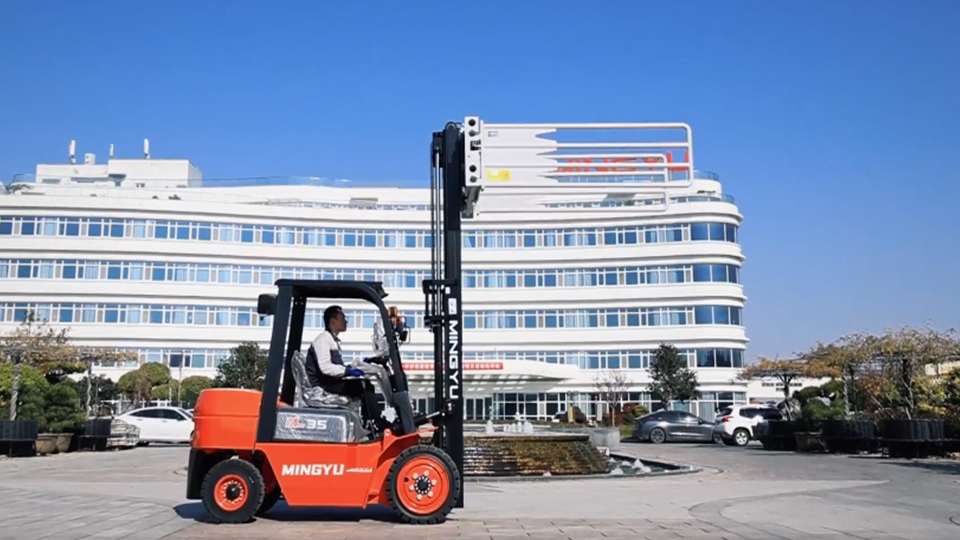
The mast design—the vertical assembly that raises and lowers loads—incorporates sophisticated hydraulic systems and chain mechanisms that ensure smooth, controlled movement even at maximum height. Triple-stage masts provide the extended reach necessary for high-density storage while maintaining a collapsed height low enough to pass through standard doorways and operate in confined spaces.
Operational Versatility Through Attachment Technology
The base forklift design is remarkably adaptable through the use of specialized attachments. This versatility transforms a standard lifting machine into a multi-functional tool capable of handling diverse materials and applications. Understanding these attachments is crucial to appreciating the full scope of forklift utility.
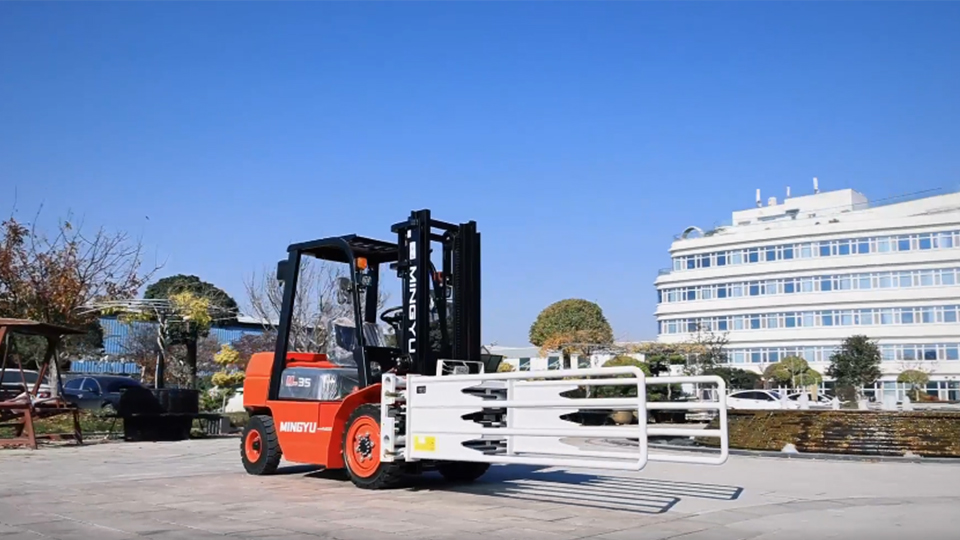
Side shifters allow lateral movement of the load without repositioning the entire forklift, enabling precise placement in tight racking configurations. Fork positioners enable hydraulic adjustment of fork spacing, accommodating different pallet sizes without manual intervention. Clamp attachments handle unitized loads such as bales, boxes, or drums without pallets, while rotators invert loads for dumping or repositioning.
For specialized industries, carpet poles handle rolled materials, push-pull systems manage slip-sheeted loads, and telescopic booms extend reach for unusual applications. In cold storage environments, freezer-rated attachments withstand extreme temperatures while maintaining hydraulic integrity. This attachment ecosystem means that a single forklift chassis can serve multiple operational roles, reducing capital expenditure while increasing operational flexibility.
Safety Engineering and Ergonomic Design
Modern forklift design incorporates extensive safety engineering that protects both operators and pedestrians in the work environment. Understanding these safety features is essential for organizations evaluating material handling equipment investments.
Stability systems form the cornerstone of forklift safety. The stability triangle—a conceptual framework connecting the front drive wheels and rear steer axle—defines the operational envelope within which loads remain secure. Load moment indicators, automatic stability control, and tilt sensors prevent tip-over incidents by monitoring weight distribution and center of gravity in real-time.
Operator protection structures include overhead guards, load backrests, and ergonomic operator compartments designed to minimize fatigue and injury. Ergonomic advances such as suspended floors, adjustable seating, and low-effort hydraulic controls reduce operator strain during extended shifts, directly correlating with reduced workers' compensation claims and improved retention rates.
Visibility enhancements including panoramic masts, camera systems, and proximity sensors address the inherent visibility challenges of operating large equipment in confined spaces. Blue spotlights, warning lights, and audible alarms alert pedestrians to forklift presence in blind corners or high-traffic areas.
Power Systems and Environmental Considerations
The evolution of forklift power systems reflects broader industrial trends toward sustainability and operational efficiency. Understanding these power options is critical for making informed equipment decisions.
Internal combustion engines—powered by gasoline, diesel, or liquid propane gas (LPG)—remain prevalent for outdoor applications and heavy-duty operations requiring sustained high performance. These systems offer rapid refueling, high torque output, and operational independence from electrical infrastructure. However, emissions requirements and indoor air quality concerns increasingly limit their applicability in enclosed environments.
Electric forklifts powered by lead-acid or lithium-ion batteries have become the dominant choice for indoor warehouse operations. Modern electric systems offer zero emissions, reduced noise levels, and lower total cost of ownership through decreased maintenance requirements and energy efficiency. Lithium-ion technology, in particular, enables opportunity charging during breaks and shift changes, eliminating the battery change-out procedures that previously complicated electric forklift operations.
Hydrogen fuel cell systems represent an emerging alternative, combining the rapid refueling of internal combustion with the environmental benefits of electric power. These systems generate electricity through electrochemical reactions, producing only water as a byproduct. While infrastructure requirements currently limit widespread adoption, fuel cell forklifts offer particular advantages in multi-shift operations where battery management complexity presents operational challenges.
Fleet Management and Telematics Integration
Contemporary forklift operations increasingly leverage telematics and fleet management systems to optimize utilization and maintenance. These integrated systems transform forklifts from isolated equipment into connected components of comprehensive material handling ecosystems.
Usage monitoring tracks operating hours, lift cycles, and travel distances, enabling predictive maintenance scheduling and utilization optimization. Impact detection systems record collision events, facilitating incident investigation and operator training programs. Geofencing capabilities restrict operation to designated zones, preventing unauthorized use in sensitive areas or ensuring compliance with weight restrictions on floor systems.
Operator authentication systems ensure that only trained and authorized personnel operate equipment, while pre-operation checklists digitize safety inspection protocols. These systems generate compliance documentation and identify maintenance needs before they result in equipment failure or safety incidents.
Industry-Specific Applications
The necessity of forklift equipment manifests differently across industries, each presenting unique material handling challenges.
Manufacturing operations require forklifts capable of feeding production lines, handling raw materials, and managing work-in-process inventory. Just-in-time manufacturing dependencies make reliable material handling equipment essential for maintaining production schedules.
E-commerce fulfillment centers operate at unprecedented velocity, with forklifts enabling rapid put-away, order picking, and shipping operations. The technical demands include high-speed travel, precise maneuverability in narrow aisles, and integration with warehouse management systems.
Construction applications require rough-terrain forklifts with enhanced ground clearance, four-wheel drive capability, and robust construction to operate on unpaved surfaces. These machines handle building materials, equipment positioning, and site logistics in challenging environmental conditions.
Port and intermodal operations utilize specialized container handlers and reach stackers capable of managing shipping containers weighing up to 100,000 pounds. These heavy-capacity machines form critical infrastructure in global supply chains.
Regulatory Compliance and Training Requirements
The decision to implement forklift operations carries regulatory obligations that underscore the seriousness of material handling equipment utilization. Occupational Safety and Health Administration (OSHA) regulations mandate operator training, equipment inspection, and operational procedures designed to minimize workplace incidents.
Compliance requirements include formal training programs combining classroom instruction, hands-on operation, and performance evaluation. Refresher training addresses incident occurrences, equipment changes, or operational condition modifications. These requirements reflect the inherent risks of operating heavy machinery in environments shared with pedestrian workers.
Conclusion
The question "Why do I need a forklift?" ultimately resolves to fundamental operational imperatives: efficiency, capacity, safety, and scalability. In an economic environment where labor costs rise, speed-to-market pressures intensify, and warehouse space commands premium valuations, mechanized material handling equipment transitions from optional convenience to competitive necessity.
The technical sophistication of modern forklifts—from advanced hydraulic systems and ergonomic designs to integrated telematics and alternative power systems—reflects their critical role in contemporary operations. Whether optimizing vertical storage space, enabling just-in-time manufacturing, or supporting high-velocity e-commerce fulfillment, forklifts provide capabilities that manual methods cannot replicate.
Organizations evaluating material handling investments must consider not merely the acquisition cost of equipment, but the total economic impact of enhanced productivity, reduced injury rates, and operational scalability. In this comprehensive analysis, the forklift emerges not as a simple lifting device, but as a strategic enabler of modern industrial and commercial operations.
Name: selena
Mobile:+86-13176910558
Tel:+86-0535-2090977
Whatsapp:8613181602336
Email:vip@mingyuforklift.com
Add:Xiaqiu Town, Laizhou, Yantai City, Shandong Province, China