what do forklift operators do
Forklift operators serve as the backbone of modern logistics, manufacturing, and warehousing operations. These skilled professionals are responsible for the safe and efficient movement of materials, equipment, and products across diverse industrial environments. While the job may appear straightforward from an outsider's perspective, forklift operation encompasses a complex array of technical skills, safety protocols, regulatory compliance requirements, and operational responsibilities that demand specialized training and continuous professional development.
Core Operational Responsibilities
At the fundamental level, forklift operators are tasked with lifting, transporting, and positioning loads using powered industrial trucks. However, this basic description barely scratches the surface of their daily activities. Operators must proficiently handle various types of forklifts, including counterbalance forklifts, reach trucks, order pickers, pallet jacks, and specialized equipment such as side loaders or telescopic handlers. Each machine type requires distinct operational techniques and safety considerations.
The primary operational duties begin with pre-shift inspections. Operators must conduct thorough equipment checks before each use, examining hydraulic systems, brakes, steering mechanisms, tires, forks, and safety devices. This inspection process involves checking fluid levels, testing horn and lights, verifying backup alarms, and ensuring all safety features function correctly. Documentation of these inspections is typically mandatory, creating accountability and maintaining compliance with occupational safety regulations.
Load handling represents the most visible aspect of the operator's role. This involves assessing load weights and dimensions, calculating load centers, and determining appropriate lifting capacities based on the forklift's rated specifications. Operators must understand load charts and stability triangles—concepts that dictate how high loads can be raised and how far they can extend while maintaining equipment stability. Improper load assessment remains a leading cause of forklift accidents, making this technical knowledge critical for safe operations.
Maneuvering in confined spaces requires exceptional spatial awareness and precision control. Warehouse environments often feature narrow aisles, high-density storage racking systems, and congested traffic patterns. Operators must navigate these spaces while maintaining three points of contact during mounting and dismounting, managing travel speeds appropriate to conditions, and using spotters or mirrors when visibility is compromised. The ability to judge clearances within inches while operating heavy machinery separates competent operators from exceptional ones.
Safety Management and Risk Mitigation
Safety constitutes the paramount responsibility of forklift operators. The Occupational Safety and Health Administration (OSHA) estimates that forklifts cause approximately 85 fatal accidents and 34,900 serious injuries annually in the United States alone. Operators serve as the first line of defense against these statistics through rigorous adherence to safety protocols.
Personal protective equipment (PPE) compliance begins with proper attire—hard hats, safety shoes with reinforced toes, high-visibility vests, and appropriate eye and hearing protection. Operators must also ensure fall protection when operating order pickers or elevated platforms. Beyond personal protection, operators are responsible for maintaining pedestrian safety in shared workspaces. This involves sounding horns at intersections, maintaining clear sight lines, following designated traffic patterns, and understanding right-of-way protocols.
Environmental hazard recognition requires constant vigilance. Operators must identify and respond to wet or slippery surfaces, uneven flooring, overhead obstructions, poor lighting conditions, and hazardous material storage areas. They must also account for weather conditions when operating outdoors, adjusting for wind speeds that could affect load stability or precipitation that reduces traction. The dynamic nature of industrial environments means that hazard assessment is continuous rather than periodic.
Emergency response preparedness includes understanding lockout/tagout procedures, knowing how to respond to tip-over situations (which involves staying within the operator compartment rather than jumping), and participating in regular safety drills. Operators must also recognize signs of mechanical failure and know when to remove equipment from service immediately rather than attempting to complete a task with compromised machinery.
Inventory Management and Documentation
Modern forklift operations extend far beyond physical material handling into sophisticated inventory management systems. Operators frequently serve as the final checkpoint in supply chain accuracy, making their role crucial for inventory integrity.
Radio Frequency (RF) scanner operation has become standard in most warehousing environments. Operators use handheld or vehicle-mounted scanners to read barcodes or RFID tags, updating inventory management systems in real-time. This technology requires understanding warehouse management system (WMS) interfaces, troubleshooting scanner connectivity issues, and ensuring accurate data entry that affects downstream supply chain operations.
Cycle counting and inventory reconciliation often fall within operator responsibilities. This involves physically counting stock locations, investigating discrepancies between system records and physical inventory, and reporting damaged or aging products. Operators must maintain accuracy rates typically exceeding 99.5% while working at productive speeds, balancing efficiency with precision.
Documentation responsibilities include completing bills of lading, packing lists, damage reports, and equipment maintenance logs. These records create audit trails for regulatory compliance, insurance purposes, and operational analysis. Operators must possess sufficient literacy and attention to detail to complete these documents accurately, often under time pressure.
Equipment Maintenance and Technical Troubleshooting
While major repairs remain the domain of certified mechanics, forklift operators perform essential maintenance functions that extend equipment lifespan and prevent catastrophic failures.
Daily maintenance routines include cleaning operations to remove debris that could affect cooling systems or hydraulic components, checking and maintaining proper battery electrolyte levels in electric forklifts, and ensuring propane tanks are properly secured and leak-free in internal combustion models. Operators must recognize abnormal sounds, vibrations, or operational characteristics that indicate developing mechanical issues.
Basic troubleshooting skills enable operators to distinguish between minor issues they can resolve (such as debris obstructing pedals or loose connections) and major problems requiring professional service. Understanding the differences between electric, propane, diesel, and gasoline-powered forklifts allows operators to respond appropriately to fuel system issues, battery charging protocols, or emission-related concerns.
Battery management for electric forklifts represents a specialized technical skill. Operators must understand proper charging cycles, opportunity charging versus full discharge protocols, watering procedures, and safety precautions when handling sulfuric acid batteries. Improper battery maintenance can result in reduced operational capacity, premature battery failure, or safety hazards including hydrogen gas buildup and chemical burns.
Regulatory Compliance and Certification
Forklift operation is heavily regulated across jurisdictions, with operators bearing personal responsibility for maintaining legal compliance.
OSHA standards in the United States mandate that operators complete formal training programs consisting of classroom instruction, practical training, and performance evaluation. This certification must be renewed every three years or following observed unsafe operation, accidents, or changes in equipment type. Operators must maintain awareness of changing regulations and participate in refresher training to keep certifications current.
Record-keeping requirements extend to training documentation, evaluation results, and incident reports. Operators may be called upon to participate in accident investigations, providing detailed accounts of operational circumstances leading to incidents. Understanding the legal implications of operator negligence—including personal liability in cases of willful safety violations—provides important context for rigorous compliance.
International operations introduce additional complexity. Operators working in global supply chains must understand varying standards across jurisdictions, including European CE marking requirements, Canadian CSA standards, or specific regulations in Asian manufacturing centers. Cross-border operations may require additional certifications or familiarization with different equipment configurations.
Specialized Operational Environments
Advanced forklift operators develop expertise in specialized environments that demand additional technical knowledge.
Cold storage operations require understanding of equipment modifications for sub-zero temperatures, including cold-weather hydraulic fluids, battery heating systems, and operator protection protocols. Condensation management when moving between temperature zones prevents moisture damage to products and equipment. Operators must also account for reduced battery efficiency and increased stopping distances on potentially icy surfaces.
Hazardous materials handling demands certification beyond standard forklift operation. Operators transporting flammable, corrosive, or toxic substances must understand chemical compatibility, proper container securing techniques, emergency response procedures, and regulatory documentation requirements. This specialization often requires coordination with safety officers and environmental compliance teams.
High-rack operations in automated storage and retrieval systems (AS/RS) or very narrow aisle (VNA) warehouses require precision at significant heights. Operators may work at elevations exceeding 30 feet, requiring comfort with heights, understanding of mast sway dynamics, and proficiency with wire guidance or rail guidance systems. Some advanced systems involve semi-automated operation where forklifts follow electronic guidance systems while operators manage vertical movement.
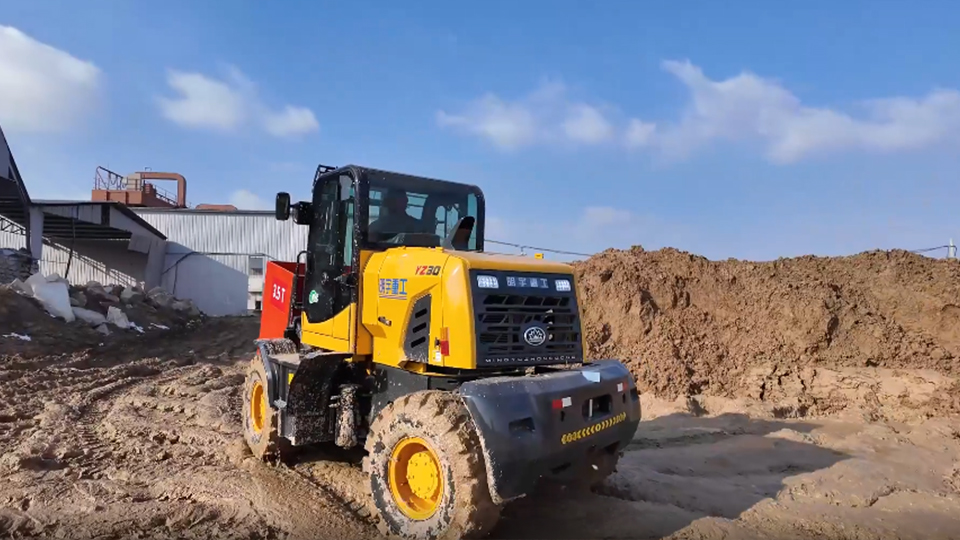
Construction and rough terrain applications introduce variables absent in warehouse environments. Operators must navigate uneven ground, manage load stability on slopes, and coordinate with construction crews in dynamic work zones. Understanding soil conditions, load distribution on soft ground, and interaction with other heavy equipment becomes essential for safe operations.
Technological Integration and Future Developments
The forklift operator's role continues evolving with technological advancement. Modern operators must adapt to increasing automation and digital integration.
Telematics systems provide real-time monitoring of operator behavior, equipment utilization, and maintenance needs. Operators work within systems that track acceleration patterns, lift speeds, idle time, and impact events. This data-driven environment requires comfort with performance metrics and constructive response to coaching based on analytical feedback.
Automated guided vehicles (AGVs) and autonomous mobile robots (AMRs) are reshaping material handling workflows. Rather than replacing operators entirely, these technologies often require human oversight, exception handling, and manual intervention when automated systems encounter unpredicted obstacles or exceptions. The operator's role shifts from direct control to supervision and troubleshooting of automated systems.
Emerging technologies including forklift-mounted cameras, proximity sensors, and collision avoidance systems augment operator capabilities while introducing new interface requirements. Operators must integrate these technological aids without developing over-reliance that could compromise fundamental operational skills.

Conclusion
Forklift operation represents a technically demanding profession requiring mechanical aptitude, safety consciousness, regulatory knowledge, and adaptability to technological change. These professionals enable the continuous flow of commerce that modern economies depend upon, working at the intersection of physical labor and technical sophistication. As supply chains grow increasingly complex and safety standards continue tightening, the role of forklift operators will demand even greater skill levels, making comprehensive training and professional development essential investments for both individual operators and employing organizations. The profession offers pathways from entry-level operation to specialized technical roles, supervision, and safety management, rewarding those who master its multifaceted demands with stable employment in essential industries.