
vip@mingyuforklift.com
+86-0535-2090977

The material handling industry has spent the past decade in the grip of a battery revolution. Lithium-ion systems have displaced lead-acid as the dominant power source for electric forklifts, offering faster charging, longer lifespans, and dramatically reduced maintenance. But for operations that demand maximum uptime, consistent power output across an entire shift, and rapid refueling in multi-shift environments, a different technology is emerging from the margins: hydrogen fuel cells.
Hydrogen fuel cell forklifts are no longer experimental curiosities. They are commercially deployed systems powering tens of thousands of units across major retail distribution centers, food logistics hubs, and manufacturing facilities worldwide. The global hydrogen fuel cell forklift market, valued at approximately $673.85 million in 2025, is projected to reach $13.32 billion by 2035, growing at a compound annual growth rate of 34.77% . This trajectory reflects not speculative enthusiasm but demonstrated operational value in specific, demanding use cases where battery-electric systems face inherent limitations.
The Technology: How Hydrogen Powers a Forklift
At its core, a hydrogen fuel cell forklift operates on the same electrochemical principle that powers Toyota's Mirai passenger vehicle. Proton exchange membrane (PEM) fuel cells combine hydrogen and oxygen to generate electricity, with only water and heat as byproducts . The fuel cell serves as an on-board generator, continuously producing electricity as long as hydrogen fuel is supplied. Unlike a battery, which stores a finite amount of energy, a fuel cell converts chemical energy directly into electrical power without combustion.
Toyota's fuel cell forklift design illustrates the architecture. Hydrogen is stored in an on-board tank at approximately 35 MPa (roughly 5,000 psi) with a maximum capacity of 1.2 kg . The fuel cell stack—derived from Toyota's automotive fuel cell technology but adapted for industrial material handling—generates electricity that powers the drive motor, pump motor for lifting and tilting, and auxiliary systems . A small buffer battery manages transient power demands and captures regenerative braking energy, but the fuel cell remains the primary power source throughout operation .
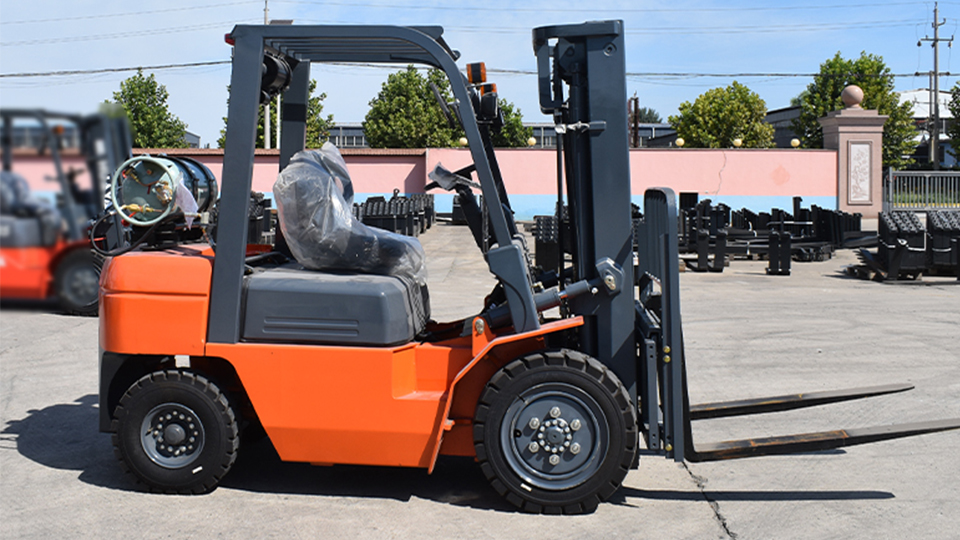
The critical operational distinction is refueling speed. Hydrogen refueling takes approximately 2 to 3 minutes—comparable to filling a diesel tank and vastly faster than the 1 to 2 hours required for lithium-ion charging or the 8 to 10 hours for lead-acid . For a three-shift warehouse, this difference compounds into hundreds of hours of recovered productivity annually. Plug Power calculates that battery changing stations require 15 minutes per shift compared to 2 minutes for hydrogen refueling, representing more than 234 hours of lost productivity per forklift per year in a three-shift operation .
The Heavy-Duty Advantage: Where Hydrogen Excels
Hydrogen fuel cell forklifts are not universally superior to battery-electric alternatives. Their value proposition is most compelling in specific operational contexts defined by three characteristics: high utilization rates, multi-shift operations, and environments where downtime carries disproportionate cost.
Multi-Shift Operations and Uptime
The defining advantage of hydrogen is continuous operation without performance degradation. Battery-powered forklifts experience voltage sag as charge depletes, resulting in slower lift speeds and reduced acceleration toward the end of a shift . Fuel cells maintain consistent voltage output until hydrogen is exhausted, delivering full power throughout the entire operating period . For high-throughput distribution centers processing thousands of pallets per shift, this consistency translates directly into throughput.
Walmart's deployment illustrates the scale. The retailer operates more than 9,500 hydrogen-powered pallet jacks across over 40 distribution centers, achieving a 15% reduction in labor costs by eliminating battery handling and a 10% increase in throughput from consistent power output . Toyota's 8FB series reach trucks, powered by 8 kW Plug Power fuel cells, have demonstrated 30% higher pallet processing per shift compared to battery-electric models while eliminating approximately 2,000 square feet of battery charging space for every 50-unit fleet .
Cold Storage Performance
Cold environments present particular challenges for battery technology. Lithium-ion battery capacity degrades significantly below freezing, and charging efficiency drops in sub-zero temperatures. Hydrogen fuel cells, by contrast, maintain performance across a wide temperature range. STEF Group, a European leader in temperature-controlled logistics, deployed hydrogen fuel cell forklifts at cold storage distribution centers in France and Spain, where operating temperatures range from −18°C to +4°C . The fuel cell systems demonstrated superior operational productivity over extended periods compared to conventional batteries in these demanding thermal conditions .
At STEF's Torrejón de Ardoz facility in Spain, hydrogen is produced on-site using an electrolyzer powered by a 2.9 MWp photovoltaic rooftop installation, creating a fully integrated green hydrogen ecosystem for material handling operations . This closed-loop approach addresses one of the most persistent criticisms of hydrogen technology: the carbon intensity of hydrogen production.
Space and Infrastructure Efficiency
Battery-electric operations require substantial dedicated infrastructure. Lead-acid systems demand ventilated charging rooms with eye-wash stations, spill containment, and fire suppression . Lithium-ion reduces but does not eliminate infrastructure requirements, still needing charging stations and electrical capacity upgrades. Hydrogen refueling stations, by contrast, are modular and space-efficient . The storage facility is typically located outdoors, with dispensers positioned near high-traffic operational areas . For facilities where every square foot carries rental cost, this space differential is economically significant.
Market Deployment and Competitive Landscape
The commercial deployment of hydrogen fuel cell forklifts is concentrated among major industrial players with the capital and operational scale to justify infrastructure investment.
Plug Power has established itself as the dominant force in the North American market. The company has deployed more than 60,000 fuel cell systems and over 180 hydrogen fueling stations worldwide . Its GenDrive product line offers drop-in fuel cell replacements for Class I, II, and III material handling equipment, enabling fleet operators to convert existing electric forklifts without purchasing new vehicles . Major customers include Walmart, Amazon, Home Depot, BMW, Bridgestone, FedEx, and Sysco . Plug Power's GenKey turnkey solution bundles fuel cells, hydrogen infrastructure, fuel supply, and ongoing service, reducing the complexity of adoption for large fleet operators .
Toyota Material Handling represents the OEM perspective. The company has sold more than 350 fuel cell forklifts in Japan since 2016 and launched next-generation models in 2023 with 20% improved energy conversion efficiency and refueling times under 2 minutes . Toyota's European operations service approximately 6,000 STEF forklifts and are now supplying fuel cell-ready models for hydrogen conversion . The company's SimpleFuel on-site hydrogen generation system—a compact water electrolyzer, compressor, accumulator, and dispenser packaged in a footprint equivalent to a single parking space—enables facilities to produce hydrogen on-site rather than relying on delivered fuel .
Other significant players include Linde Material Handling, which released a compact hydrogen-powered forklift for indoor retail distribution with integrated telemetry and leak detection ; STILL GmbH, which debuted a dual-mode forklift capable of switching between battery and hydrogen power ; and Crown Equipment, which expanded its hydrogen-compatible lineup to include pallet jacks and narrow aisle trucks .
Total Cost of Ownership: The Hydrogen Equation
Evaluating hydrogen fuel cell forklifts requires looking beyond the equipment purchase price to the full cost ecosystem.
Initial Investment
Hydrogen fuel cell forklifts carry a significant upfront premium. The fuel cell power unit, hydrogen storage system, and associated safety infrastructure add cost beyond a comparable battery-electric model. Infrastructure investment—hydrogen storage tanks, compressors, vaporizers, and dispensing systems—represents a substantial capital outlay. Plug Power's deployment at Floor & Decor's Frederickson distribution center included a 10,000-gallon liquid hydrogen storage tank, vaporizers, compressors, and a high-capacity dispensing system alongside 77 pieces of material handling equipment .
Operational Economics
The operational cost structure differs fundamentally from battery-electric. Hydrogen fuel costs per operating hour currently exceed electricity costs . However, this differential is offset by several factors: eliminated battery maintenance (no watering, cleaning, or equalization), reduced labor for battery changes, recovered productivity from faster refueling, and extended fuel cell lifespan. Hangcha Group's analysis indicates that hydrogen fuel cells achieve total cost of ownership parity with battery-electric systems at utilization rates exceeding 18 hours per day when hydrogen costs fall below $6 per kilogram .
Fuel cell durability has improved substantially. The average fuel cell lifespan now reaches approximately 10 years, roughly twice that of traditional batteries . Toyota's next-generation stack design has achieved a 20% increase in operational life , while STILL GmbH's integrated real-time diagnostics have reduced maintenance costs by 22% across trial deployments .
Incentive and Regulatory Support
Government incentives significantly affect the hydrogen TCO equation. The U.S. federal fuel cell investment tax credit places material handling fuel cells on equal footing with other clean energy technologies . California's CORE program and similar state-level incentives help offset both equipment and infrastructure costs . In Europe, hydrogen subsidies and green hydrogen production mandates are accelerating adoption, with the EU targeting substantial hydrogen infrastructure expansion as part of its decarbonization strategy .
Safety Considerations: Lessons from Incidents
No discussion of hydrogen fuel cell forklifts is complete without addressing safety. Hydrogen's physical properties—low ignition energy, wide flammability range, and invisible flame—create unique hazards that demand rigorous engineering controls and operational protocols.
The most significant incident in the industry's commercial history occurred in May 2018, when a hydrogen-powered forklift exploded at a Procter & Gamble facility in Louisiana, killing the operator and injuring six other workers . Subsequent investigation revealed that the hydrogen storage cylinder supplied by Worthington Industries was defective and had never been properly certified to applicable manufacturing standards . Independent testing confirmed that 3,690 cylinders from the same production batch posed an immediate safety risk, prompting a fleet-wide recall .
This incident was not a failure of fuel cell technology itself but a supply chain quality control failure. It underscores a critical principle: hydrogen systems are safe when properly engineered, manufactured, and maintained, but the consequences of cutting corners are severe. Modern fuel cell forklifts incorporate multiple layers of safety engineering: leak monitoring systems, thermally activated relief valves, high-pressure tank solenoid valves, and hydrogen detection sensors . Linde's hydrogen forklifts include integrated hydrogen leak detection systems meeting EU safety compliance standards .
The broader safety record of deployed hydrogen forklift fleets is strong. Plug Power's customers have completed more than 9.3 million hydrogen fuelings across industrial material handling facilities . The FCHEA reports that hydrogen-powered forklifts have been operating in warehouses for nearly two decades with continued fleet expansion . The key distinction is between inherent technology risk and implementation risk. Hydrogen fuel cells, properly deployed, are safe. The challenge is ensuring that every cylinder, every valve, and every connection meets the highest standards.
Challenges and Limitations
Despite compelling advantages in specific applications, hydrogen fuel cell forklifts face significant barriers to mainstream adoption.
Hydrogen Supply and Infrastructure
The most fundamental constraint is hydrogen availability. In regions with underdeveloped hydrogen infrastructure, fuel supply reliability remains problematic . The hydrogen economy has experienced stagnation due to expensive production processes and limited refueling infrastructure . Prompt construction of hydrogen storage and distribution facilities has bottlenecked widespread deployment. For facilities considering hydrogen, the critical first question is not whether the technology works but whether reliable, cost-competitive hydrogen supply can be secured.
Cost Competitiveness
Hydrogen remains more expensive than diesel on an energy-equivalent basis . Green hydrogen—produced via electrolysis using renewable electricity—carries a further cost premium over gray hydrogen derived from natural gas reforming. Until electrolyzer costs decline and renewable electricity becomes more abundant, green hydrogen will struggle to achieve cost parity with battery-electric charging, particularly in regions with low electricity rates.
Single-Shift and Low-Utilization Operations
For single-shift operations or facilities with moderate throughput, the TCO advantage of hydrogen diminishes. Lithium-ion batteries, with their opportunity charging capability and declining capital costs, often prove more economical in these contexts . Hydrogen's value proposition strengthens as utilization increases; below approximately 18 hours of daily operation, the infrastructure investment is difficult to justify .
Recycling and End-of-Life
Fuel cell stack recycling and hydrogen tank disposal present challenges distinct from battery recycling. While lead-acid benefits from a mature, highly efficient recycling ecosystem and lithium-ion recycling infrastructure is scaling rapidly, fuel cell component recycling remains less developed. Platinum group metals used in PEM fuel cell catalysts are valuable and recoverable, but the recycling supply chain is not yet as streamlined as established battery recycling pathways.
The Road Ahead: Integration and Evolution
The future of hydrogen fuel cell forklifts lies not in competition with battery-electric systems but in strategic complementarity. Dual-mode forklifts capable of switching between battery and hydrogen power, such as STILL GmbH's prototype, offer operational flexibility for facilities transitioning between energy sources . Hybrid architectures—fuel cell as primary power with battery buffer for transient peaks—represent the de facto standard for heavy-duty applications .
Integration with autonomous systems is another frontier. The California Air Resources Board notes that until automated hydrogen refueling can be successfully demonstrated, hydrogen fuel cell automated guided vehicles (AGVs) will not achieve equivalence with their battery-electric counterparts . This is a solvable engineering challenge, but it represents a current limitation for fully automated hydrogen-powered fleets.
On-site hydrogen production is emerging as a strategy to decouple operations from external supply chains. STEF's Torrejón de Ardoz facility produces hydrogen using solar-powered electrolysis . Toyota's SimpleFuel system enables compact on-site generation . As electrolyzer costs decline and renewable energy becomes more accessible, distributed green hydrogen production could address both supply security and carbon intensity concerns.
Conclusion
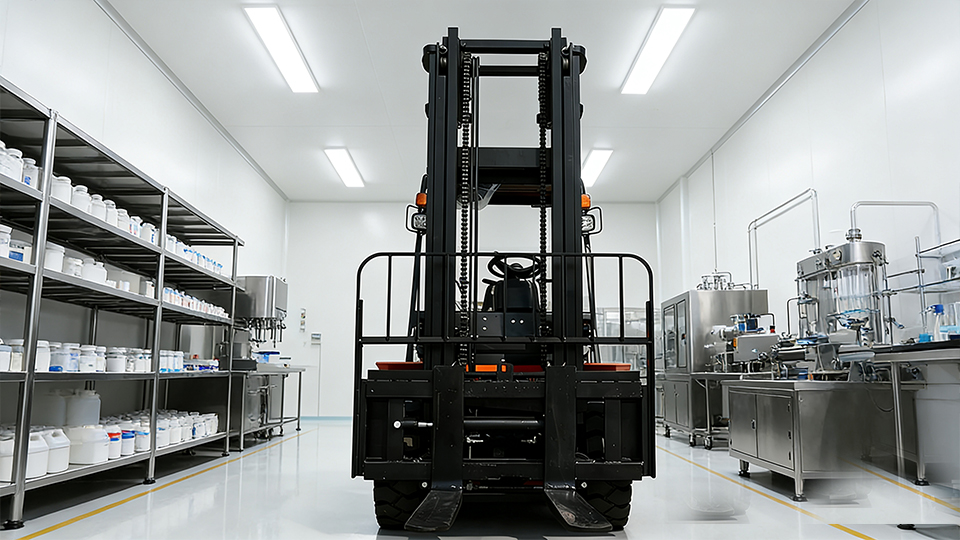
Hydrogen fuel cell forklifts are not a universal solution. They are a specialized tool for specific operational contexts: high-utilization, multi-shift environments where refueling speed, consistent power output, and space efficiency justify the infrastructure investment. For a distribution center moving pallets 24 hours a day, the productivity gains from 3-minute refueling versus 2-hour charging are transformative. For a single-shift light manufacturing facility, lithium-ion likely remains the more economical choice.
The technology has matured beyond the experimental phase. Tens of thousands of units operate commercially across major industrial fleets. The safety record of properly engineered and maintained systems is strong, though the 2018 Louisiana incident serves as a permanent reminder that hydrogen demands respect and rigorous quality control.
The hydrogen fuel cell forklift is not replacing the battery-electric forklift. It is expanding the menu of zero-emission options available to material handling professionals. In the right application, with the right infrastructure, and with proper attention to safety, it offers a compelling path to decarbonized, high-productivity operations that battery technology alone cannot match. The question for fleet managers is not whether hydrogen forklifts work—they do—but whether their specific operational profile justifies the investment in building a hydrogen ecosystem around them.
Name: selena
Mobile:+86-13176910558
Tel:+86-0535-2090977
Whatsapp:8613181602336
Email:vip@mingyuforklift.com
Add:Xiaqiu Town, Laizhou, Yantai City, Shandong Province, China
