
vip@mingyuforklift.com
+86-0535-2090977

Introduction
Fuel consumption represents one of the most significant operational cost factors for businesses relying on material handling equipment. Among the various types of forklifts available in industrial markets, diesel-powered models remain the dominant choice for heavy-duty outdoor applications, construction sites, lumber yards, and container handling operations. Understanding the precise fuel consumption characteristics of diesel forklifts enables fleet managers, procurement officers, and operations directors to make informed decisions regarding equipment selection, budget forecasting, and environmental compliance.
This article provides an exhaustive technical examination of diesel forklift fuel consumption rates, exploring the engineering principles that govern fuel efficiency, the variables that influence consumption patterns, measurement methodologies, comparative analyses with alternative power sources, and practical strategies for optimization. By establishing a thorough understanding of these factors, stakeholders can maximize operational efficiency while minimizing both direct fuel costs and indirect environmental impacts.
Fundamental Fuel Consumption Metrics
Standard Consumption Ranges
Diesel forklifts exhibit fuel consumption rates that typically fall within the range of 2.0 to 6.0 liters per operating hour, with the majority of common industrial models clustering between 2.5 and 4.5 liters per hour. These figures represent broad averages under typical operating conditions and serve as baseline references for preliminary calculations.
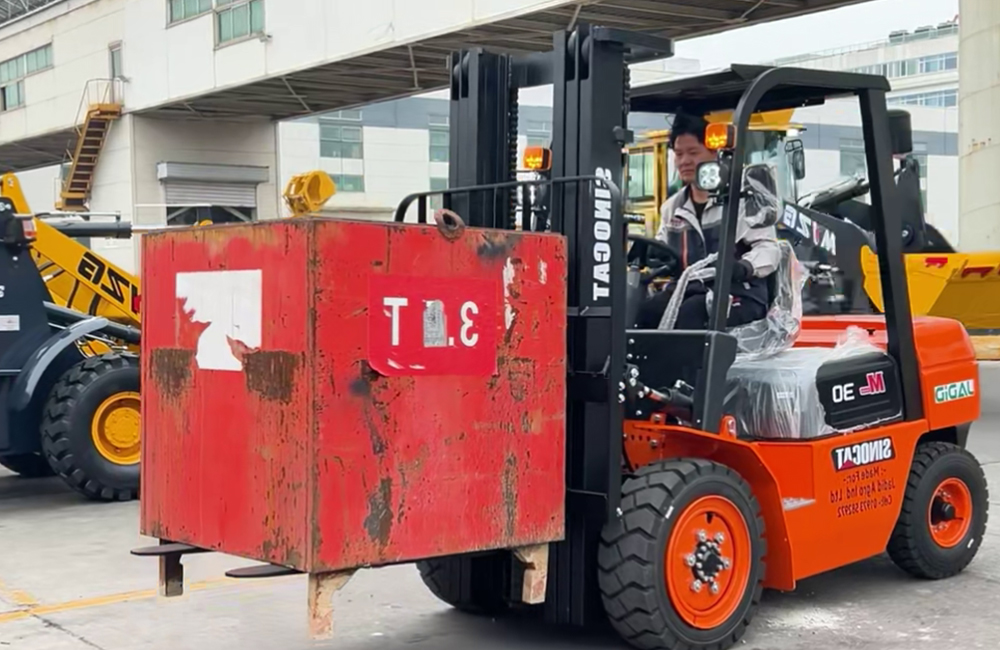
To contextualize these numbers within specific equipment categories:
Compact models (1.5–2.5 ton capacity): Generally consume between 1.8 and 2.8 liters per hour. These smaller units typically feature naturally aspirated diesel engines with displacements under 2.5 liters and operate at lower hydraulic pressures, resulting in modest fuel requirements.
Standard industrial models (3.0–5.0 ton capacity): Represent the most common segment in manufacturing, warehousing, and logistics applications, with consumption rates ranging from 2.5 to 4.0 liters per hour. These forklifts usually incorporate turbocharged diesel engines producing 35–55 kW (47–74 hp) and feature robust hydraulic systems capable of handling diverse material handling tasks.
Heavy-duty models (6.0–10.0 ton capacity): Designed for demanding applications such as steel handling, container operations, and heavy manufacturing, these units consume 3.5 to 5.5 liters per hour. Their larger displacement engines (3.0–4.5 liters) and high-capacity hydraulic pumps demand substantially greater fuel input.
Specialized high-capacity models (12.0+ tons): Utilized in ports, shipyards, and heavy infrastructure projects, these specialized machines may consume 5.0 to 8.0 liters per hour or more, depending on engine configuration and duty cycle intensity.
Energy Conversion Efficiency
The diesel engine operates on the principle of compression ignition, achieving thermal efficiencies typically ranging from 35% to 45% in modern industrial applications. This compares favorably to spark-ignition gasoline engines, which generally achieve 25–30% thermal efficiency. The higher compression ratios (16:1 to 22:1) and leaner air-fuel mixtures characteristic of diesel combustion contribute to this superior energy conversion efficiency.
However, not all chemical energy from diesel fuel translates into productive work at the forks. Energy losses occur through multiple pathways:
Exhaust heat rejection: Approximately 30–35% of fuel energy exits through the exhaust system
Cooling system losses: 25–30% dissipates through the radiator and engine block
Mechanical friction: 8–12% is lost to internal engine friction, drivetrain resistance, and rolling resistance
Hydraulic system inefficiency: 15–25% of mechanical energy is lost in hydraulic pumps, valves, and cylinders due to fluid friction, pressure drops, and internal leakage
Consequently, the overall system efficiency from fuel tank to lifting mechanism typically ranges from 12% to 20%, meaning that a substantial portion of every liter of diesel does not contribute directly to material handling productivity.
Engineering Variables Affecting Fuel Consumption
Engine Specifications and Technology
Modern diesel forklift engines incorporate numerous technological advancements designed to optimize fuel efficiency while meeting stringent emissions standards. Key technological factors include:
Turbocharging and Intercooling: Turbocharged engines force additional air into combustion chambers, enabling more complete fuel combustion and increased power density. Intercooling reduces intake air temperature, further increasing air density and combustion efficiency. Turbocharged engines typically demonstrate 10–20% better fuel efficiency than naturally aspirated equivalents of similar power output.
Electronic Fuel Injection: Common-rail direct injection systems with piezoelectric injectors enable precise control over injection timing, duration, and pressure. Multiple injection events per combustion cycle (pilot, main, and post-injection) optimize combustion phasing and reduce particulate matter formation. These systems improve fuel economy by 5–15% compared to mechanical injection pumps.
Engine Displacement and Power Rating: Fuel consumption correlates directly with engine displacement and power output, though not linearly. A 3.0-liter engine producing 50 kW will generally consume more fuel than a 2.5-liter engine producing 40 kW, but the larger engine may demonstrate better specific fuel consumption (grams per kilowatt-hour) when operating at optimal load factors.
Emissions Control Systems: Modern diesel forklifts incorporate diesel particulate filters (DPF), selective catalytic reduction (SCR) systems, and exhaust gas recirculation (EGR) to meet Tier 4 Final and Stage V emissions standards. While these systems reduce harmful emissions, they can increase fuel consumption by 3–8% due to exhaust backpressure, additional cooling requirements, and periodic active regeneration cycles that inject extra fuel to burn off accumulated particulate matter.
Hydraulic System Design and Load Characteristics
The hydraulic system represents the primary energy consumer in forklift operations, and its design significantly influences fuel consumption:
Hydraulic Pump Configuration: Fixed-displacement gear pumps, commonly found in smaller forklifts, provide constant flow regardless of demand, resulting in energy waste during low-demand periods. Variable-displacement piston pumps, prevalent in larger and more sophisticated models, adjust output to match actual hydraulic demand, improving efficiency by 15–25% during partial-load operation.
System Operating Pressure: Standard industrial forklifts operate hydraulic systems at 160–210 bar (2,320–3,045 psi). Higher-pressure systems enable smaller cylinder bores and reduced fluid volumes but require greater pump power input. Pressure-compensated systems that reduce pressure during non-lifting operations can yield meaningful fuel savings.
Load Weight and Lift Height: Fuel consumption increases proportionally with the mechanical work performed. Lifting a 5-ton load to 4 meters requires exactly twice the energy of lifting 2.5 tons to the same height, or lifting 5 tons to 2 meters. The hydraulic pump must deliver correspondingly greater flow and pressure, demanding increased engine power output and fuel input.
Duty Cycle Intensity: The ratio of productive work time to idle time profoundly affects hourly consumption. An intensive duty cycle involving continuous loading/unloading may increase consumption by 30–50% compared to intermittent operation with frequent idle periods. Conversely, excessive idling wastes fuel without productive output, making operational patterns a critical consideration.
Operational Environment and Conditions
Ambient Temperature: Cold weather operation increases fuel consumption through multiple mechanisms. Cold engine starts require richer fuel mixtures, cold hydraulic fluid exhibits higher viscosity (increasing pump resistance), and cab heaters draw additional energy. Consumption may increase by 10–20% in sub-zero conditions compared to moderate temperatures.
Terrain and Surface Conditions: Operating on gradients, rough surfaces, or soft ground increases rolling resistance and requires additional power for traction. A forklift operating on a 5% grade may consume 15–25% more fuel than on level concrete. Similarly, muddy or gravel surfaces increase resistance compared to smooth asphalt or concrete.
Altitude Effects: Diesel engines experience reduced air density at high altitudes, resulting in decreased power output and potentially richer fuel mixtures. Turbocharged engines partially compensate for altitude effects, but naturally aspirated engines may suffer 3–5% power loss per 1,000 feet of elevation gain, with corresponding efficiency penalties.
Measurement and Calculation Methodologies
Direct Measurement Techniques
Accurate fuel consumption measurement requires standardized methodologies to ensure comparability across different equipment, operators, and operating conditions.
Gravimetric Method: The most precise approach involves weighing the fuel tank before and after a defined operating period using calibrated scales. By measuring the mass of fuel consumed and dividing by the known density of diesel fuel (approximately 0.835 kg/liter at 15°C), volumetric consumption is calculated. This method eliminates errors associated with fuel tank geometry and temperature-induced volume variations.
Volumetric Flow Meters: In-line flow meters installed in fuel supply and return lines provide continuous measurement capability. Positive displacement flow meters offer accuracy within ±0.5%, while Coriolis mass flow meters provide even greater precision by measuring mass flow directly, independent of temperature and density variations.
Tank Dipstick Method: A practical field method involves calibrating the fuel tank with a marked dipstick and recording levels before and after operation. While less precise (accuracy typically ±5–10%), this approach requires minimal equipment and provides reasonable estimates for routine monitoring.
Standardized Test Cycles
Comparative fuel consumption data requires standardized test protocols that simulate realistic operating conditions:
VDI 2198 Test Cycle: Developed by the Association of German Engineers, this standardized test specifies a defined sequence of travel, lifting, lowering, and idle operations performed with rated load. Manufacturers commonly cite fuel consumption figures based on this cycle, enabling direct comparison between models.
EPA Nonroad Transient Cycle: While primarily designed for emissions certification, this test cycle also provides fuel consumption data under standardized transient operating conditions. It simulates variable load and speed conditions more representative of real-world operation than steady-state tests.
Customer-Specific Duty Cycle Analysis: For fleet optimization, many manufacturers and consultants offer on-site duty cycle analysis using data logging equipment. These studies record actual operating parameters (engine speed, hydraulic pressures, travel distances) over extended periods, enabling precise fuel consumption modeling specific to the customer's application.
Calculation Formulas
For preliminary estimates, fuel consumption can be approximated using specific fuel consumption (SFC) data:
Hourly Consumption (liters/hour) = Engine Power Output (kW) × Specific Fuel Consumption (g/kWh) ÷ Fuel Density (g/liter) ÷ 1000
Modern diesel engines typically exhibit brake-specific fuel consumption of 200–250 g/kWh at optimal operating points. For a 45 kW engine operating at 80% load factor:
Consumption = 45 kW × 0.80 × 220 g/kWh ÷ 835 g/liter ÷ 1000 = 9.48 liters/hour
However, this represents maximum theoretical consumption; actual operating conditions, partial loads, and idle time typically reduce this figure by 30–50% in real-world applications.
Comparative Analysis: Diesel vs. Alternative Power Sources
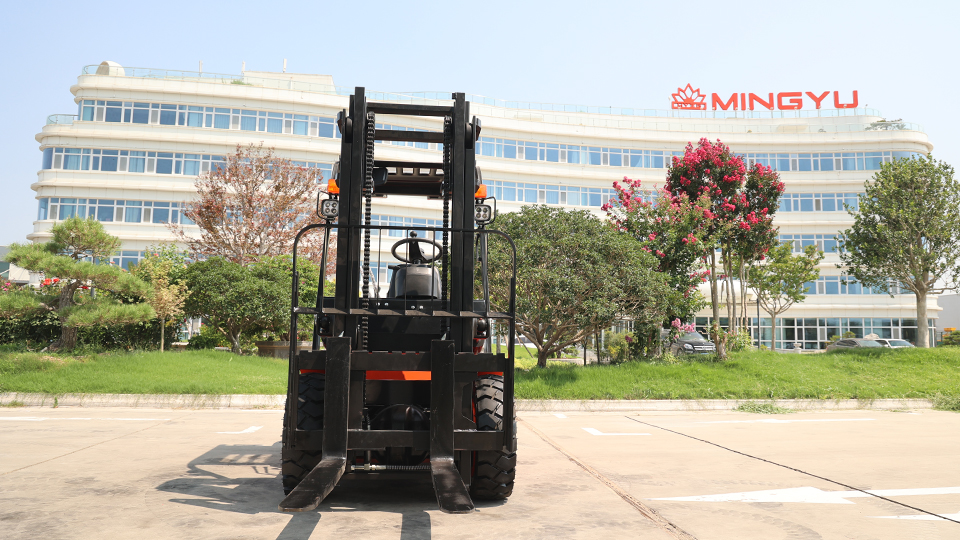
Diesel vs. Electric Forklifts
Electric forklifts powered by lead-acid or lithium-ion batteries represent the primary alternative to diesel power, particularly for indoor applications. A comprehensive comparison reveals distinct advantages and limitations:
Energy Cost Comparison: Diesel fuel contains approximately 35.8 MJ per liter of energy content. At typical industrial electricity rates of $0.10–0.15 per kWh, electric forklifts demonstrate 50–70% lower energy costs per operating hour compared to diesel equivalents, assuming comparable work output. However, this advantage varies significantly with regional energy prices and duty cycle characteristics.
Operational Efficiency: Electric motors convert electrical energy to mechanical energy with 85–95% efficiency, substantially exceeding diesel engine thermal efficiency. Additionally, electric forklifts eliminate idle consumption entirely (no fuel burned during stationary periods) and recover energy through regenerative braking during deceleration and lowering operations.
Total Cost of Ownership: While diesel forklifts typically feature lower initial acquisition costs, electric models offer reduced maintenance requirements (no engine oil changes, filter replacements, or exhaust system maintenance) and longer component lifespans. Over a 10,000-hour service life, total ownership costs often favor electric power for indoor applications with predictable duty cycles.
Application Suitability: Diesel forklifts maintain distinct advantages for outdoor operation, uneven terrain, continuous heavy-duty cycles, and applications requiring rapid refueling (diesel refueling takes minutes versus hours for battery charging). Cold storage applications also favor diesel power, as battery capacity degrades significantly at sub-zero temperatures.
Diesel vs. LPG/Natural Gas Forklifts
Liquefied petroleum gas (LPG) and compressed natural gas (CNG) forklifts offer intermediate solutions between diesel and electric power:
Fuel Consumption Equivalents: LPG forklifts typically consume 3.0–5.5 kg of propane per hour, with energy content approximately 25.3 MJ per kg. Converting to diesel liter equivalents (using energy content comparison), LPG consumption roughly parallels diesel consumption for equivalent work output.
Emissions Profile: LPG forklifts produce significantly lower particulate matter and nitrogen oxides compared to diesel models, making them suitable for some indoor applications where diesel exhaust would be problematic. However, they still produce carbon monoxide and hydrocarbon emissions requiring adequate ventilation.
Operational Considerations: LPG forklifts offer quick cylinder exchange refueling and maintain consistent power output throughout the operating shift. Fuel storage and handling safety requirements, however, introduce additional operational complexity compared to diesel fuel.
Optimization Strategies for Fuel Efficiency
Equipment Selection and Configuration
Right-Sizing: Selecting forklifts with appropriate capacity ratings for anticipated loads prevents the fuel inefficiency associated with consistently under-utilizing oversized equipment. A 5-ton forklift handling 2-ton loads operates at suboptimal load factors, potentially increasing specific fuel consumption by 15–25%.
Transmission Selection: Hydrostatic transmissions offer superior efficiency for applications requiring frequent direction changes and variable speeds, while powershift transmissions may prove more efficient for long-distance travel applications. Automatic transmission control systems that optimize shift points can improve fuel economy by 5–10%.
Tire Selection: Pneumatic tires provide better traction and reduced rolling resistance on rough surfaces compared to cushion tires, potentially improving fuel efficiency in outdoor applications. Proper tire inflation pressure maintenance reduces rolling resistance and prevents excessive fuel consumption.
Operational Best Practices
Operator Training: Skilled operators significantly influence fuel consumption through smooth acceleration, optimized travel paths, minimized idle time, and appropriate gear/range selection. Comprehensive training programs can reduce fleet fuel consumption by 10–20% compared to untrained operation.
Idle Reduction: Diesel engines consume 0.5–1.5 liters per hour at idle depending on displacement and accessories engaged. Implementing automatic engine shutdown systems or operator education to eliminate unnecessary idling yields immediate fuel savings.
Preventive Maintenance: Properly maintained engines operate more efficiently. Regular air filter replacement prevents intake restriction that can increase fuel consumption by 5–10%. Fuel injection system maintenance ensures optimal combustion efficiency, while cooling system maintenance prevents overheating that triggers fuel-wasting protective derating.
Route Optimization: Warehouse layout optimization and travel path planning minimize non-productive travel distances. Reducing average travel distance per pallet moved directly reduces fuel consumption per unit of productive output.
Technological Enhancements
Telematics and Data Analytics: Modern forklift telematics systems provide real-time fuel consumption monitoring, enabling identification of inefficient operators, equipment malfunctions, or suboptimal routing. Data-driven fleet management can achieve 10–15% fleet-wide fuel savings through targeted interventions.
Hybrid Systems: Emerging hybrid diesel-electric forklift designs capture and store energy from braking and lowering operations, supplementing engine power during peak demand periods. These systems demonstrate 20–30% fuel savings in high-cyclic applications, though at increased capital cost.
Alternative Fuels and Additives: Biodiesel blends (B20) offer modest emissions reductions with minimal fuel consumption impact. Fuel additives claiming significant economy improvements should be evaluated critically, as independent testing rarely substantiates dramatic claims.
Environmental Considerations and Regulatory Compliance
Emissions Standards Impact
Progressive tightening of emissions regulations has significantly influenced diesel forklift design and, consequently, fuel consumption characteristics. Tier 4 Final/Stage V compliance requirements have necessitated:
Advanced combustion strategies that may slightly reduce fuel efficiency in favor of lower NOx emissions
Diesel particulate filters requiring periodic active regeneration, consuming additional fuel
Selective catalytic reduction systems requiring diesel exhaust fluid (DEF) addition, adding 2–4% to operating fluid costs
These technologies have generally increased fuel consumption by 5–10% compared to pre-emissions-control engines, though they have dramatically reduced particulate matter and nitrogen oxide emissions.
Carbon Footprint Analysis
Diesel fuel combustion produces approximately 2.68 kg of CO₂ per liter consumed. A forklift consuming 3.5 liters per hour therefore generates approximately 9.4 kg of CO₂ per operating hour. For a single-shift operation (2,000 hours annually), this equates to 18.8 metric tons of CO₂ annually per forklift.
Organizations tracking carbon footprints for sustainability reporting or regulatory compliance must incorporate these figures into Scope 1 emissions inventories. The increasing availability of carbon offset programs and renewable diesel fuels (hydrotreated vegetable oil) provides pathways for emissions reduction without equipment replacement.
Conclusion
Diesel forklift fuel consumption represents a complex interplay of engineering design, operational parameters, environmental conditions, and operator behavior. While typical consumption rates of 2.5–4.5 liters per hour provide useful planning estimates, accurate forecasting requires detailed analysis of specific application requirements, equipment specifications, and duty cycle characteristics.
The material handling industry continues evolving toward greater energy efficiency and environmental responsibility. Diesel forklifts remain indispensable for heavy-duty outdoor applications, but operators must implement comprehensive optimization strategies—from equipment selection and operator training to maintenance protocols and technological integration—to maximize productivity while minimizing fuel costs and environmental impact.
Understanding the technical fundamentals outlined in this analysis enables informed decision-making that balances operational requirements, economic constraints, and environmental responsibilities. As alternative power technologies mature and emissions regulations tighten, the diesel forklift will continue adapting, but its fundamental role in global material handling operations ensures that fuel consumption optimization will remain a critical operational priority for years to come.
Name: selena
Mobile:+86-13176910558
Tel:+86-0535-2090977
Whatsapp:8613181602336
Email:vip@mingyuforklift.com
Add:Xiaqiu Town, Laizhou, Yantai City, Shandong Province, China