
vip@mingyuforklift.com
+86-0535-2090977

Forklifts are the unsung heroes of countless industrial, logistics, and construction operations.1 Among the different types, the diesel forklift stands out for its robust power, high torque, and ability to handle heavy-duty, continuous outdoor work, often in challenging conditions.2 However, this powerhouse performance comes with the need for rigorous and specific maintenance. Neglecting these requirements can lead to costly downtime, premature component failure, and even safety hazards.3
This comprehensive technical article, targeting fleet managers, maintenance technicians, and equipment operators, delves into the most common maintenance issues plaguing diesel forklifts and provides detailed, actionable prevention strategies to maximize uptime, extend asset lifespan, and ensure compliance.
I. Understanding the Diesel Forklift's Operating Environment
Before examining specific issues, it’s crucial to understand the unique stressors placed on a diesel forklift:
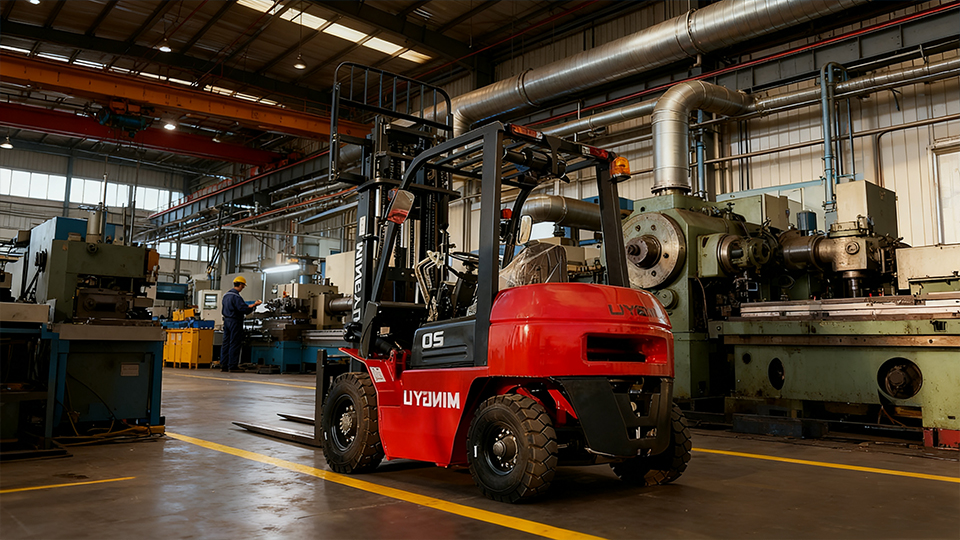
Dust and Debris: Often operating in dusty warehouses, lumber yards, or construction sites, the engine and cooling systems are constantly exposed to particulate matter.4
Intermittent Operation: Unlike over-the-road trucks, forklifts frequently cycle between full load, idle, and shut down. This stop-and-go, high-torque usage puts immense stress on the drivetrain and hydraulics.
High Vibration: The solid cushion or pneumatic tires, combined with heavy lifting and uneven terrain, transmit significant vibration throughout the chassis, engine, and electrical system.
Heat Load: The combination of confined engine compartments and heavy lifting in outdoor environments often leads to higher-than-average operating temperatures.
II. The Core Maintenance Issues and Their Root Causes
The maintenance challenges for diesel forklifts generally fall into four critical areas: the engine, the cooling system, the hydraulics, and the electrical system.
A. Engine and Fuel System Issues
The heart of the diesel forklift is the engine, and most failures trace back to poor combustion, inadequate lubrication, or fuel contamination.
1. Fuel System Contamination
The Issue: Water, rust, microbial growth (diesel bug), or particulate matter in the diesel fuel.
The Symptoms: Poor engine performance, misfires, black smoke, hard starting, or complete engine shutdown.
The Root Cause: Condensation buildup in the fuel tank (especially if tanks are not kept full), poor fuel quality, or neglected fuel filter changes. Fuel contamination is particularly detrimental to modern common rail (CRDi) injection systems due to the extremely tight tolerances of the injectors and high-pressure pump.5
2. Clogged Air Intake System
The Issue: The air filter, intake manifold, or turbocharger compressor wheel is restricted by dust, dirt, and debris.
The Symptoms: Loss of power, excessive black smoke (unburnt fuel due to insufficient air), increased fuel consumption, and higher engine operating temperatures.6
The Root Cause: Operating in extremely dusty environments coupled with extended replacement intervals for the air filter element.
3. Overheating (Related to Lubrication)
The Issue: Premature wear of internal engine components (bearings, piston rings, cylinder walls).
The Symptoms: Increased oil consumption, metal shavings in the oil, abnormal knocking noises, and loss of oil pressure.
The Root Cause: Extended oil change intervals, use of the wrong viscosity or quality of engine oil (e.g., non-compliance with the manufacturer’s API or ACEA specification), or continuous low oil level operation.
B. Cooling System Failures
The cooling system is under constant strain to manage the heat generated by a confined, heavily worked engine.7
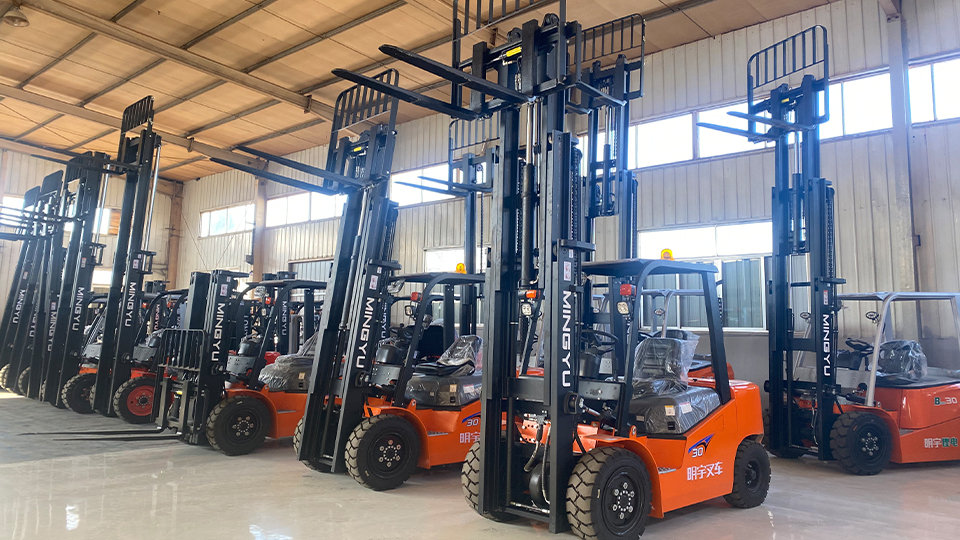
1. Radiator and Cooler Fouling
The Issue: Blockage of the cooling fins on the radiator, transmission cooler, and hydraulic oil cooler.
The Symptoms: Engine overheating, automatic engine derating (if equipped with modern ECM), and premature hydraulic fluid breakdown.
The Root Cause: External buildup of airborne dust, lint, and debris, often caked on with oil mist. This external fouling dramatically reduces the heat exchange capability.
2. Coolant Degradation and Leaks
The Issue: Breakdown of the coolant's corrosion inhibitors or simple leakage.
The Symptoms: Low coolant level, corrosion evidence around hose connections, white/green residue, and internal rust or scaling within the engine block and radiator core.
The Root Cause: Using plain water instead of the required glycol-based coolant, mixing incompatible coolant types (leading to "gel" formation), or neglecting replacement of aged hoses, clamps, and the radiator cap.
C. Hydraulic and Transmission System Malfunctions
Hydraulics and the transmission are key to the forklift's primary functions—lifting and moving heavy loads.8
1. Hydraulic Pump/Cylinder Drift and Sluggishness
The Issue: Slow or unstable lift and tilt action, or the mast "drifts" down when loaded.9
The Symptoms: Increased cycle times, the operator needing to overcompensate with controls, and noticeable fluid leakage.
The Root Cause: Contaminated or low hydraulic fluid, worn cylinder seals (allowing internal bypass), or a failing hydraulic pump due to cavitation or wear.
2. Transmission Overheating and Slippage
The Issue: Automatic transmission fails to engage gears promptly or slips under load.
The Symptoms: Shifting delays, higher transmission case temperatures, and a burnt smell from the transmission fluid.
The Root Cause: Neglected transmission fluid and filter changes (leading to sludge and restricted flow), continuous operator abuse (rapid reversing or excessive "inching"), or internal clutch pack wear.
D. Electrical and Safety System Woes
The electrical system powers the ignition, starting, and crucial safety features.10
1. Battery and Starting Problems
The Issue: Slow engine crank, repeated flat batteries, or total failure to start.
The Symptoms: Dim headlights, clicking noise when turning the key, and visible corrosion on battery terminals.
The Root Cause: Battery terminal corrosion leading to high resistance, a failing alternator (not charging the battery), or excessive parasitic draw from accessories/safety lights.11 The high-vibration environment often loosens cable connections.12
2. Safety System Failures
The Issue: Malfunctioning or non-operational safety devices.
The Symptoms: Inoperable or excessively dimmed warning lights (strobe/beacon), non-functional backup alarm, or a missing seatbelt interlock.
The Root Cause: Vibration-induced wiring harness damage (fraying, shorting), blown fuses, or simple neglect in replacing failed bulbs/alarms.
III. Prevention Strategies: The Proactive Maintenance Plan
Prevention is not merely better than cure; it is essential for the economic viability of a diesel forklift fleet. A robust, proactive maintenance plan minimizes unexpected breakdowns and manages costs.
A. Engine and Fuel System Preservation
|
Strategy |
Actionable Steps |
Interval (Typical) |
|
Scheduled Oil Analysis (SOA) |
Go beyond simple oil changes. Use laboratory analysis to detect metal wear (Fe, Cr, Al), soot levels, fuel dilution, and antifreeze contamination. |
Every 250 Hours or Quarterly |
|
Strict Fuel System Management |
Drain water/sediment from the fuel tank and fuel-water separator daily. Replace the primary and secondary fuel filters according to the OEM schedule. |
Daily (Drain), 500 Hours (Filter) |
|
Air Intake Inspection |
Visually check the air filter restriction indicator daily. Only replace the filter when the indicator signals restriction. Check all intake hoses for cracks or loose clamps. |
Daily (Check Indicator), As Needed (Replace) |
|
Use OEM-Specified Fluids |
Strictly adhere to the manufacturer's oil and coolant specifications (e.g., CI-4, CK-4, or specific OEM approval). Never mix different oil or coolant types. |
Every Service |
B. Mastering the Cooling System
1. Dedicated Cooler Cleaning Regime
This is perhaps the most neglected yet crucial step. Instead of simply blowing compressed air from the outside (which drives debris deeper), use a reverse-air or pressure washer to clean the radiator and coolers from the inside of the engine compartment, blowing debris outward.
2. Coolant and Hose Management
Coolant Condition: Test the coolant's specific gravity (for freeze/boil point) and $\text{pH}$ (for inhibitor health) every service. Flush and replace the coolant per the manufacturer’s severe-duty schedule.
Visual Inspection: Inspect radiator hoses and heater hoses for bulging, softening, or cracking.13 Pay close attention to the area near the clamps, which is prone to stress. Replace the radiator cap annually to ensure proper system pressure.
C. Optimizing the Drivetrain and Hydraulics
The quality of the fluid is the lifespan of these systems.
1. Hydraulic Fluid and Filter Changes
Hydraulic fluid must be changed at the specified interval, and filter integrity is paramount.14 Ensure the replacement filter meets the required micron rating. If a component fails (e.g., a pump), a full system flush and filter change must be performed to remove contamination.
2. Transmission Protection
Check Fluid Level: Check the transmission fluid level while the engine is running (typically, hot and idling, consult OEM manual) to ensure accuracy. Low fluid leads to overheating and slipping.15
Driving Technique: Train operators to minimize "inching" and rapid forward/reverse changes, which create excessive heat and premature clutch pack wear.
D. Electrical and Safety Protocol
1. Proactive Battery and Wiring Checks
Cleanliness: Clean and apply dielectric grease to all battery terminals every service. Check the battery cable connection integrity at the starter and chassis ground points.
Load Testing: Periodically perform a battery load test to check its cold-cranking capacity, especially before winter.
Vibration Mitigation: Inspect cable routing for abrasion and ensure all clamps and tie-downs are secure to prevent vibration-related damage.
2. The Daily Operator Checklist
Mandate and enforce a comprehensive pre-shift inspection checklist. This is the first line of defense.
Check: Horn, lights, backup alarm, tire pressure, fluid levels (oil, coolant, hydraulic), fork condition, and the parking brake function.16
Safety: Ensure the seatbelt interlock (if equipped) is operational.
IV. Technical Considerations and Best Practices
A. The Role of Telematics and Condition Monitoring
Modern fleet management utilizes telematics systems to collect operational data.17 For diesel forklifts, this data is invaluable for preventative maintenance:
Engine Hour Tracking: Provides an accurate baseline for service scheduling (better than calendar-based scheduling).18
Temperature Monitoring: Alerts the manager to sustained high engine or transmission temperatures, indicating a developing cooling or slippage issue before catastrophic failure.
Fault Code Logging: Captures intermittent engine control module (ECM) fault codes, aiding in faster, more accurate diagnostics.
B. Correct Torque and Fastener Management
Due to constant vibration, critical fasteners—such as counterweight bolts, cylinder mounts, and wheel lugs—can loosen. Strictly follow OEM torque specifications during maintenance and periodically check the torque on critical structural and engine components. A loose engine mount, for example, exacerbates vibration and leads to faster component failure.
C. The Importance of Training
The most technically advanced maintenance schedule is useless if operators are poorly trained.19 Regular, mandatory operator training must cover:
Pre-shift inspection procedures.
Understanding warning lights and gauges (e.g., immediately shutting down a unit with low oil pressure).
Correct operating techniques that minimize stress on the transmission and hydraulic systems.
V. Conclusion
The diesel forklift is a cornerstone of industrial efficiency, but its demanding role requires a meticulous and disciplined approach to maintenance.20 By shifting the maintenance philosophy from reactive repair to proactive prevention, companies can mitigate the common issues of contamination, overheating, and vibration-related failures.21
A successful maintenance program hinges on three pillars: using OEM-specified fluids and parts, adhering strictly to service intervals based on usage (hours/telematics), and empowering operators with comprehensive training. Implementing these strategies ensures that the diesel forklift remains the powerful, reliable workhorse it was designed to be, delivering maximum ROI and operational safety for years to come.
Name: selena
Mobile:+86-13176910558
Tel:+86-0535-2090977
Whatsapp:8613181602336
Email:vip@mingyuforklift.com
Add:Xiaqiu Town, Laizhou, Yantai City, Shandong Province, China
