
vip@mingyuforklift.com
+86-0535-2090977

Introduction
Diesel forklifts remain the backbone of heavy-duty material handling operations worldwide, prized for their robust torque output, durability in harsh environments, and rapid refueling capabilities. For fleet managers, logistics directors, and procurement professionals, understanding the precise fuel consumption rate of these machines is not merely a matter of curiosity—it is a critical financial and operational metric that directly impacts total cost of ownership (TCO), carbon footprint calculations, and fleet sizing decisions. This article provides a comprehensive technical examination of diesel forklift fuel consumption rates, exploring standardized measurement methodologies, capacity-based benchmarks, the multifactorial variables that influence efficiency, and strategies for optimization.
Defining Fuel Consumption Rate
The fuel consumption rate of a diesel forklift is expressed as the volume of diesel fuel consumed per unit of operating time, most commonly in liters per hour (L/h) or gallons per hour (gal/h). This metric serves as the foundational unit for calculating daily operational costs, determining tank sizing requirements, and comparing the economic viability of diesel versus alternative power sources such as electric or liquefied petroleum gas (LPG) forklifts.
Industry measurements typically reference standardized duty cycles to ensure comparability across manufacturers and models. The VDI 60 duty cycle—a rigorous German engineering standard measuring consumption over 60 intensive lifting and transport cycles within a single hour—is frequently cited as the baseline for "standard working conditions." Real-world consumption, however, often deviates from these laboratory-standardized figures due to operational variables that this article will examine in detail.
Capacity-Based Fuel Consumption Benchmarks
Fuel consumption in diesel forklifts scales directly with engine displacement, horsepower output, and rated load capacity. While individual manufacturer specifications vary, industry data reveals consistent patterns across capacity categories.
Small Diesel Forklifts (1.5–2.5 Ton Capacity)
Compact diesel forklifts in this category typically feature engines producing 30–50 horsepower and consume approximately 2.5 to 3.8 liters per hour under standard operating conditions. These units are optimized for light-duty warehouse tasks, retail distribution centers, and confined-space operations where fuel efficiency takes precedence over maximum lifting power. Their smaller displacement engines and reduced hydraulic demands translate to lower baseline consumption, making them economically viable for operations with moderate material handling requirements.
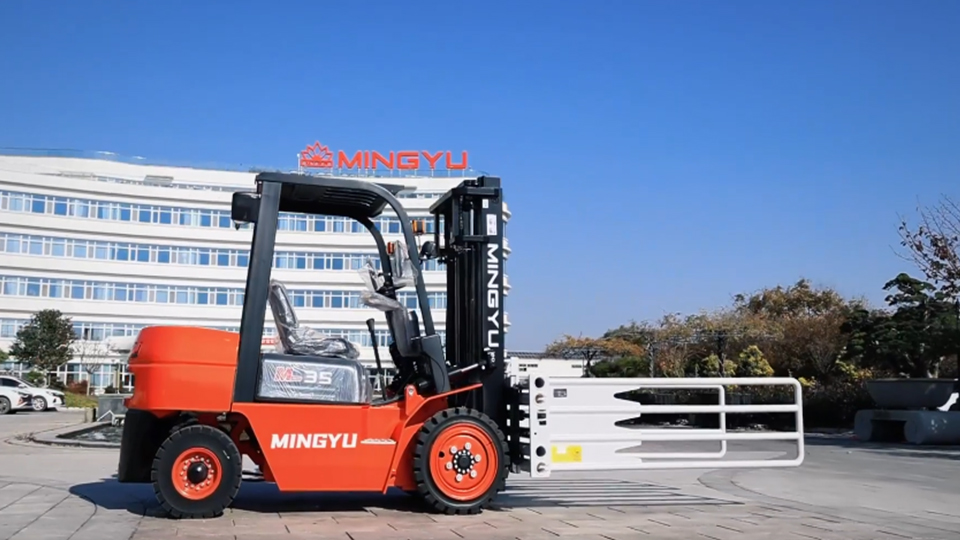
Medium Diesel Forklifts (3.0–3.5 Ton Capacity)
The 3-ton and 3.5-ton diesel forklift categories represent the most commercially prevalent class in industrial applications. Fuel consumption data for this segment shows some variance across sources, reflecting differences in engine technology, emission compliance tiers, and measurement methodologies.
According to industry benchmarks, a standard 3-ton diesel forklift typically consumes between 2.5 and 3.9 liters per hour, with an operational average around 3.2 L/h under moderate loads. Other technical sources cite a slightly broader range of 3 to 5 liters per hour for 3-ton models, noting that modern turbocharged engines with electronic fuel injection systems tend toward the lower end of this spectrum. For 3.5-ton capacity models, consumption figures generally fall between 3 and 5 liters per hour under medium-load conditions.
The variance in reported figures underscores the importance of consulting manufacturer-specific specifications rather than relying solely on generic industry averages. A 3-ton diesel forklift equipped with an advanced Tier 4 Final or EU Stage V compliant engine featuring selective catalytic reduction (SCR) and diesel particulate filters (DPF) may achieve consumption rates 10–15% lower than older Tier 3 equivalents.
Large Diesel Forklifts (5.0–7.0 Ton Capacity)
As lifting capacity increases, so does the mechanical and hydraulic power required to move loads, resulting in proportionally higher fuel consumption. A 5-ton diesel forklift typically consumes between 4.5 and 6.0 liters per hour under standard working conditions, with some models reporting figures as high as 7–8 L/h when operating at maximum rated capacity or in demanding duty cycles. Heavy-duty 5-ton models engaged in continuous lifting, loading, or rough-terrain movement may see consumption rise to 10–15 liters per hour during peak intensity operations.
Heavy-Duty Diesel Forklifts (10+ Ton Capacity)
Industrial diesel forklifts rated for 10 tons and above represent the upper echelon of internal combustion material handling equipment. These machines, commonly deployed in lumber yards, steel fabrication facilities, shipping ports, and heavy construction sites, feature large-displacement turbocharged engines producing 100+ horsepower. Fuel consumption for this category typically exceeds 10–15 liters per hour, with some high-capacity models approaching 20 L/h under sustained heavy-load operations. The substantial fuel costs associated with these units are offset by their productivity advantages—handling loads that would require multiple cycles with smaller equipment.
Theoretical Calculation Methodology
Beyond empirical benchmarks, fuel consumption can be estimated using a standardized engineering formula that accounts for engine horsepower and specific fuel consumption factors. The theoretical calculation follows this structure:
Hourly Consumption (liters) = HP × Specific Fuel Consumption (lb/HP/hr) × 0.173
Where:
HP = Engine horsepower output
Specific Fuel Consumption = Typically ranges from 0.3 to 0.4 pounds of fuel per horsepower per hour for standard diesel engines
0.173 = Conversion factor from pounds of diesel to liters (based on diesel fuel density of approximately 5.76 pounds per liter)
Applying this formula to a 100-horsepower diesel forklift with a specific fuel consumption factor of 0.35 lb/HP/hr yields:
100 HP × 0.35 lb/HP/hr × 0.173 = 6.055 liters per hour
This theoretical value provides a baseline under ideal steady-state conditions. Real-world consumption typically exceeds this figure due to operational inefficiencies, load variability, and environmental factors.
Critical Variables Influencing Fuel Consumption
The fuel consumption rate of a diesel forklift is not a static specification but a dynamic variable influenced by an interconnected set of operational, mechanical, and environmental factors. Understanding these variables enables fleet managers to implement targeted efficiency strategies.
Load Weight and Distribution
Load weight represents the single most significant determinant of fuel consumption. Operating at or near maximum rated capacity can increase fuel usage by 20–40% compared to handling lighter loads. The engine must generate additional torque to lift, transport, and lower heavy materials, while the hydraulic system draws more power to maintain lifting speed under load. Furthermore, improper load distribution—where the center of gravity extends beyond the rated load center (typically 500mm from the fork face)—forces the operator to compensate with additional maneuvering, increasing cycle time and fuel burn.
Lifting Height and Cycle Frequency
The vertical distance a load must travel directly impacts energy expenditure. High-lift applications, such as stacking in multi-tier racking systems or loading/unloading high-cube transport vehicles, require extended hydraulic pump operation and increased engine load. Frequent lifting and lowering cycles—characteristic of high-throughput distribution centers—elevate average hourly consumption compared to operations dominated by horizontal transport.
Operating Environment and Terrain
Terrain conditions exert a profound influence on fuel efficiency. Smooth, level concrete surfaces minimize rolling resistance and allow consistent travel speeds with minimal power demand. Conversely, rough, uneven, or soft terrain—including gravel yards, unpaved construction sites, or muddy conditions—increases consumption by 30–50% as the engine works harder to maintain traction and momentum. Steep inclines impose additional gravitational load, while extreme ambient temperatures (both high and low) reduce engine thermal efficiency and increase fuel requirements.
Engine Technology and Emission Compliance
Modern diesel forklifts incorporate sophisticated emission control systems that, while reducing environmental impact, can influence fuel economy. Tier 4 Final and EU Stage V engines utilize selective catalytic reduction (SCR) requiring diesel exhaust fluid (DEF), diesel particulate filters (DPF) necessitating periodic regeneration cycles, and electronic fuel injection (EFI) systems optimizing combustion precision. These technologies generally improve combustion efficiency and reduce consumption compared to mechanically injected predecessors, though DPF regeneration events temporarily increase fuel burn. The addition of emission control equipment typically adds $3,000–$5,000 to engine costs and $1,200–$2,000 annually in DEF and filter maintenance.
Hydraulic System Efficiency and Attachments
Hydraulic attachments—such as paper roll clamps, bale clamps, fork positioners, and rotators—draw auxiliary power from the forklift's hydraulic system. Frequent or high-flow attachment usage increases engine load and elevates fuel consumption. Well-maintained hydraulic pumps, clean hydraulic fluid, and properly sealed cylinders minimize parasitic power losses. Conversely, degraded hydraulic systems force the engine to work harder to achieve equivalent lifting performance.
Maintenance Condition
Preventative maintenance status directly correlates with fuel efficiency. Key maintenance factors include:
Air Filtration: Clogged air filters restrict intake airflow, disrupting the optimal air-fuel mixture and increasing consumption by 10–15%.
Fuel System Integrity: Contaminated fuel filters, worn injectors, or improper injection timing degrade combustion efficiency.
Tire Condition: Underinflated or worn tires increase rolling resistance, requiring additional propulsion power.
Engine Lubrication: Degraded engine oil increases internal friction; fresh oil maintains optimal lubrication and thermal management.
Cooling System Efficiency: Restricted radiators or malfunctioning thermostats cause elevated operating temperatures, reducing combustion efficiency.
Operator Behavior and Training
Human factors significantly influence fuel economy. Aggressive acceleration, abrupt braking, excessive idle time, and unnecessary high-speed travel all elevate consumption. Trained operators who practice smooth, progressive control inputs and minimize idle periods can reduce fuel usage by 15–25% compared to untrained counterparts. Modern forklifts increasingly incorporate auto-idle shutdown features that automatically stop the engine after predetermined idle intervals, eliminating wasteful fuel burn during operator breaks or loading delays.
Comparative Analysis: Diesel vs. Electric Forklifts
Understanding diesel consumption rates requires contextual comparison with alternative powertrains, particularly as electrification advances in material handling.
Energy Cost Economics
A 2-ton lithium battery electric forklift consuming approximately 3 kWh per hour at an industrial electricity rate of $0.14/kWh (¥1/kWh) incurs an hourly energy cost of roughly $0.42. By contrast, a comparable 2-ton diesel forklift consuming 3.5 L/h at a diesel price of $0.98/L (¥7/L) faces an hourly fuel cost of approximately $3.43—more than eight times the electric equivalent. Over 2,000 annual operating hours, this disparity translates to energy cost savings exceeding $6,000 per unit annually for electric models.
Total Cost of Ownership
While diesel forklifts typically offer lower upfront capital costs—often 35–55% less than equivalent lithium-electric models—the total cost of ownership equation shifts over time. Diesel units incur ongoing expenses for fuel, quarterly oil changes ($180–$350), annual filter replacements ($400–$800), eventual transmission rebuilds ($3,500–$6,000), and emission system maintenance. Electric forklifts, with fewer moving parts and no combustion components, reduce annual maintenance expenditures by 60–75%.
Performance Characteristics
Diesel forklifts maintain consistent power output until fuel depletion, whereas electric models deliver steady torque throughout the battery discharge cycle without the 15–20% performance degradation sometimes observed in diesel engines as fuel tanks near empty. However, diesel units produce exhaust emissions—approximately 5,000 to 8,000 grams of CO₂ per hour—restricting their use in indoor environments without substantial ventilation infrastructure.
Fuel Tank Sizing and Operational Autonomy
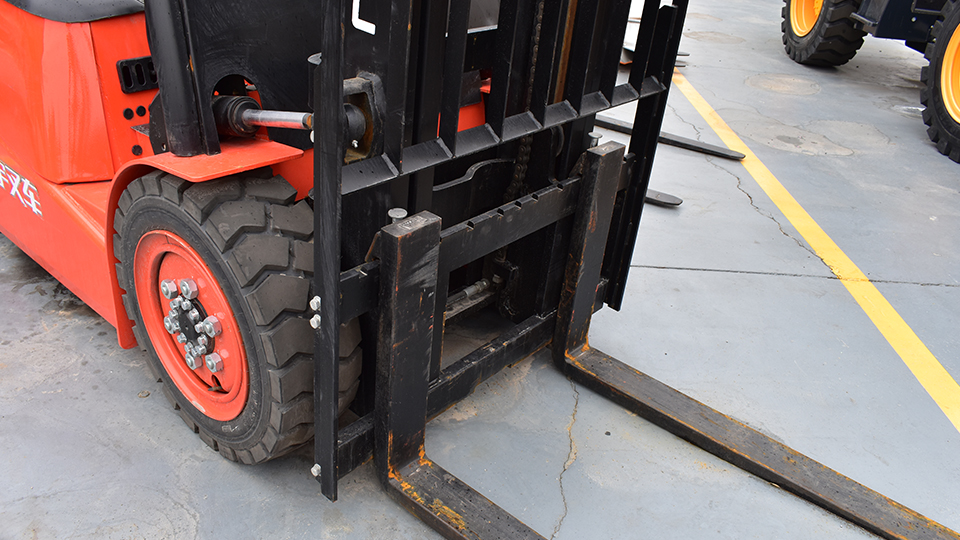
Fuel tank capacity directly determines operational autonomy and refueling frequency. Standard configurations for medium-capacity diesel forklifts (3–3.5 tons) typically incorporate tanks ranging from 60 to 80 liters. At an average consumption rate of 4 L/h, a 70-liter tank provides approximately 17.5 hours of continuous operation—sufficient for two standard eight-hour shifts with minimal reserve. Fleet managers must balance tank capacity against counterweight distribution and chassis space constraints, as larger tanks add weight and may affect lifting dynamics.
Strategies for Fuel Consumption Optimization
Implementing systematic efficiency measures can yield substantial cost reductions across diesel forklift fleets.
Operator Training Programs
Comprehensive training emphasizing smooth acceleration, anticipatory braking, optimal travel path selection, and strict idle-time minimization delivers measurable fuel savings. Operators should be instructed to shut down engines during breaks exceeding three minutes rather than allowing extended idling.
Preventative Maintenance Protocols
Adherence to manufacturer-specified maintenance intervals ensures peak mechanical efficiency. Critical maintenance items include:
Air and fuel filter replacement every 250–500 operating hours
Engine oil and filter changes every 250 hours
Tire pressure monitoring and adjustment
Hydraulic fluid analysis and filter replacement
Injector calibration and valve adjustment per engine hour schedules
Right-Sizing Fleet Equipment
Deploying appropriately sized forklifts for specific tasks prevents the inefficiency of using oversized equipment for light-duty applications. A 3.5-ton diesel forklift handling predominantly 1-ton loads operates below optimal engine load, potentially consuming more fuel per unit of work than a properly sized 2-ton model.
Site Layout Optimization
Strategic positioning of receiving docks, storage racks, shipping areas, and staging zones minimizes unnecessary travel distances. Reduced travel distances directly translate to lower hourly fuel consumption and improved cycle times.
Telematics and Consumption Monitoring
Modern forklift telematics systems enable real-time tracking of fuel usage, idle time, and operator behavior patterns. Data-driven insights allow fleet managers to identify anomalous consumption, target training interventions, and benchmark efficiency across equipment and operators.
Conclusion
The fuel consumption rate of a diesel forklift is a technically complex variable rather than a fixed specification. While industry benchmarks provide useful reference points—ranging from approximately 2.5–3.8 L/h for compact 1.5–2.5 ton models, 3–5 L/h for standard 3–3.5 ton units, 4.5–8 L/h for 5-ton machines, and 10–15+ L/h for heavy-duty 10+ ton equipment—actual consumption depends on an intricate interplay of load characteristics, duty cycle intensity, terrain, maintenance discipline, operator proficiency, and engine technology.
For procurement professionals and fleet managers, accurate fuel consumption estimation requires moving beyond generic manufacturer claims to analyze specific operational profiles. By implementing rigorous maintenance protocols, operator training programs, and telematics-based monitoring, organizations can optimize diesel forklift efficiency, reduce total operating costs, and extend equipment service life. As emission regulations tighten and electrification alternatives mature, understanding the precise fuel dynamics of diesel forklifts remains essential for informed equipment selection and strategic fleet planning in the evolving material handling landscape.
Name: selena
Mobile:+86-13176910558
Tel:+86-0535-2090977
Whatsapp:8613181602336
Email:vip@mingyuforklift.com
Add:Xiaqiu Town, Laizhou, Yantai City, Shandong Province, China
