
vip@mingyuforklift.com
+86-0535-2090977

Forklift batteries—particularly lead-acid batteries, the most common power source for electric forklifts in warehouses, manufacturing plants, and logistics hubs—require precise maintenance to ensure optimal performance, longevity, and safety. Among the most critical maintenance tasks is proper water addition: too little water can cause irreversible damage to the battery, reduce its capacity, and pose safety hazards, while too much water can lead to electrolyte leakage, corrosion, and inefficient charging. For forklift operators, maintenance technicians, and facility managers, understanding when to add water to a forklift battery, along with the correct methods and best practices, is essential to maximizing battery lifespan (typically 5–7 years for well-maintained lead-acid batteries) and minimizing operational downtime.
This technical article provides a detailed, step-by-step guide to answering the question “When should water be added to a forklift battery?” It covers the science behind lead-acid battery operation, the critical timing for water addition, factors that affect water consumption, step-by-step watering procedures, common mistakes to avoid, and 2026’s latest best practices for forklift battery maintenance. Whether you’re a seasoned maintenance technician or a new operator responsible for daily forklift checks, this guide demystifies battery watering, ensuring compliance with safety standards and optimizing the performance of your electric forklift fleet.
It’s important to note that this guide focuses primarily on flooded lead-acid (FLA) batteries, the most widely used type in electric forklifts. While sealed lead-acid (SLA), gel, and lithium-ion batteries are growing in popularity, they do not require water addition—this is a unique requirement of flooded lead-acid batteries, where the electrolyte (a mixture of sulfuric acid and water) evaporates during charging and operation. Understanding the distinction is critical: adding water to a sealed or lithium-ion battery can cause catastrophic damage and safety risks.
1. The Science of Forklift Lead-Acid Batteries: Why Water Matters
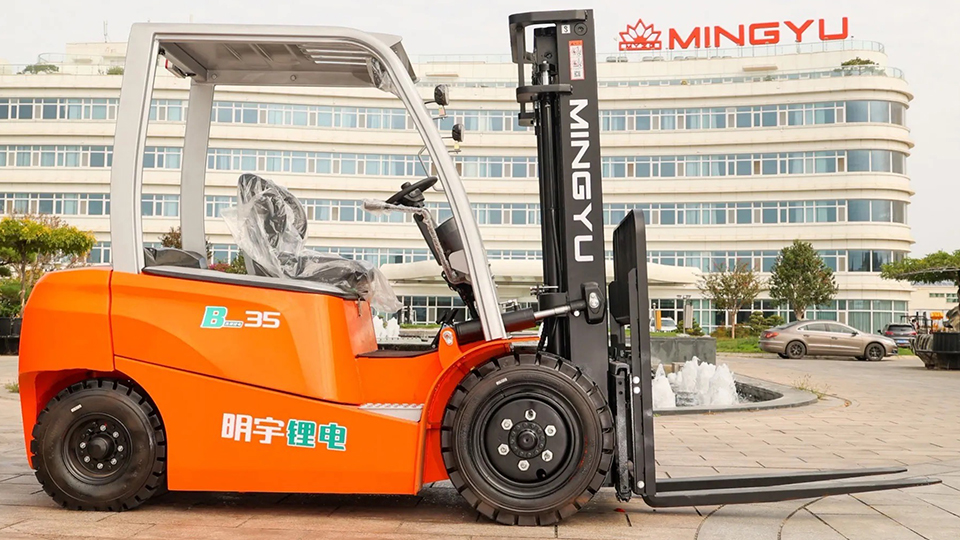
To understand when to add water to a forklift battery, it’s first necessary to grasp how a flooded lead-acid battery works. These batteries consist of multiple cells, each containing positive and negative lead plates submerged in an electrolyte solution (35–40% sulfuric acid and 60–65% distilled water). When the battery discharges, a chemical reaction occurs between the lead plates and the electrolyte, converting chemical energy into electrical energy to power the forklift. During charging, the reaction reverses, restoring the battery’s charge—but this process also generates heat and hydrogen gas, causing water in the electrolyte to evaporate.
As water evaporates, the concentration of sulfuric acid in the electrolyte increases, which can:
- Corrode the lead plates, reducing their lifespan and capacity.
- Increase internal resistance, making the battery less efficient and prone to overheating.
- Expose the top of the lead plates to air, leading to sulfation (a buildup of lead sulfate crystals that impairs charging and discharging capabilities).
- Create a risk of thermal runaway (overheating and potential battery failure) during charging.
Conversely, adding too much water dilutes the electrolyte, reducing its conductivity and the battery’s ability to hold a charge. Excess water also overflows during charging (a phenomenon called “boiling over”), carrying electrolyte with it and causing corrosion on the battery terminals, cables, and surrounding forklift components. This corrosion can lead to poor electrical connections, increased downtime, and additional maintenance costs.
The key takeaway: water addition is not a “one-size-fits-all” task. It requires precise timing, based on the battery’s charge state, usage patterns, and operating conditions, to maintain the electrolyte at the optimal level—protecting the battery, ensuring safety, and maximizing performance.
2. When Should Water Be Added to a Forklift Battery? The Critical Timing Rules
The single most important rule for watering a forklift lead-acid battery is: Add water only after the battery has been fully charged, not before or during charging. This is non-negotiable for two key reasons:
1. Electrolyte Level Fluctuates with Charge State: When a battery discharges, the electrolyte level drops slightly as the sulfuric acid combines with the lead plates. When it charges, the reaction reverses, and the electrolyte level rises. If you add water to a discharged battery, the level will be too high once the battery is fully charged, leading to boiling over and electrolyte loss. Adding water after charging ensures the electrolyte is at the correct level when the battery is in its most stable state.
2. Charging Generates Heat: Charging raises the battery’s temperature, which increases water evaporation. Adding water to a hot, charging battery can cause the water to boil instantly, splashing hot electrolyte (a corrosive, toxic substance) and creating a safety hazard. Waiting until the battery is fully charged and has cooled slightly (to 80°F–90°F / 27°C–32°C) eliminates this risk.
2.1 The Optimal Window for Watering
After confirming the battery is fully charged, allow it to cool for 1–2 hours (or until it reaches ambient temperature) before adding water. This cooling period prevents hot electrolyte splashing and ensures the water mixes evenly with the electrolyte, maintaining the correct concentration.
In addition to the charge state, you must also check the electrolyte level to determine if water is needed. The optimal electrolyte level is 1/4 to 3/8 of an inch (6–10 mm) above the top of the lead plates, or just covering the plates with a small gap between the electrolyte surface and the battery’s fill opening. Most modern forklift batteries have a built-in “fill line” or “max/min” indicator to simplify this check—never add water above the max line, and never let the level drop below the min line (exposing the lead plates).
2.2 Frequency of Watering: How Often to Check
The frequency with which you need to add water depends on several factors, including usage patterns, charging frequency, operating temperature, and battery age. Below are general guidelines (aligned with 2026 industry standards) for how often to check and water forklift batteries:
2.2.1 Daily Usage (8–10 Hours per Day, 5 Days per Week)
Forklifts used daily (e.g., in high-volume warehouses or manufacturing facilities) require frequent charging, which accelerates water evaporation. For these batteries:
- Check the electrolyte level every 1–2 days (after charging and cooling).
- Add water as needed to maintain the optimal level (1/4–3/8 inch above the plates).
- In hot operating conditions (above 90°F / 32°C), increase checks to daily, as higher temperatures increase evaporation.
2.2.2 Intermittent Usage (2–4 Hours per Day, 3–4 Days per Week)
Forklifts used less frequently (e.g., in small warehouses or occasional use) charge less often, so water evaporation is slower. For these batteries:
- Check the electrolyte level every 3–5 days (after charging and cooling).
- Add water as needed.
- Even if the forklift is not used for an extended period (1+ weeks), check the level before charging, as water can evaporate slowly over time.
2.2.3 Battery Age and Condition
Older batteries (3+ years old) or batteries in poor condition (e.g., with damaged plates or seals) may consume water more quickly. For these batteries:
- Check the electrolyte level daily, even if usage is low.
- Monitor for signs of excessive water consumption (e.g., needing to add water every day), which may indicate a battery defect (e.g., a cracked case, faulty vent cap, or internal short circuit) that requires inspection by a professional.
2.3 Emergency Watering: When to Act Immediately
If you notice any of the following, add water to the battery (after charging and cooling) immediately to prevent damage:
- The lead plates are visible above the electrolyte surface (even slightly).
- The electrolyte is cloudy or discolored (a sign of low water and potential sulfation).
- The battery overheats during charging (above 125°F / 52°C) or emits excessive gas (a sign of high electrolyte concentration).
Never operate a forklift with a battery that has exposed lead plates. Even short-term use can cause irreversible plate damage, reducing the battery’s lifespan by years.
3. Factors That Affect Water Consumption (and When You’ll Need to Add More)
Water evaporation rates vary based on operating conditions, charging practices, and battery design. Understanding these factors will help you anticipate when water is needed, reducing the risk of under- or over-watering.
3.1 Charging Practices
Charging is the primary cause of water evaporation, so improper charging practices can significantly increase water consumption:
- Overcharging: Leaving a battery on the charger longer than necessary (e.g., overnight for a fully charged battery) generates excess heat and gas, accelerating water evaporation. Use smart chargers (standard in 2026) that automatically shut off or switch to a trickle charge when the battery is full.
- Undercharging: A battery that is not fully charged will have a lower electrolyte level over time, as the chemical reaction is incomplete. This can lead to sulfation, which increases water consumption in subsequent charges. Always ensure batteries are fully charged after each use.
- Fast Charging: Fast chargers (used in high-throughput facilities) charge the battery more quickly but generate more heat, increasing water evaporation. For fast-charged batteries, check the water level more frequently (daily).
3.2 Operating Temperature
Temperature has a direct impact on water evaporation:
- High Temperatures: Operating or charging a battery in hot environments (above 90°F / 32°C)—e.g., near furnaces, in unventilated warehouses, or in outdoor settings during summer—increases heat generation and water evaporation. In these conditions, water may need to be added daily.
- Low Temperatures: Cold environments (below 40°F / 4°C) slow evaporation, so water consumption decreases. However, it’s still critical to check the level regularly, as a low electrolyte level can make the battery more prone to freezing (which can crack the battery case).
3.3 Battery Usage Intensity
Forklifts that are used heavily—e.g., lifting heavy loads, operating at high speeds, or working continuous shifts—discharge and charge more frequently, leading to higher water evaporation. These batteries require more frequent watering (every 1–2 days) compared to lightly used forklifts.
3.4 Battery Ventilation
Flooded lead-acid batteries have vent caps that allow hydrogen gas (generated during charging) to escape. If these vents are clogged or restricted, gas buildup can increase internal pressure, causing water to be forced out of the battery (leading to electrolyte loss). Ensure vent caps are clean, intact, and properly secured to prevent excessive water loss.
4. Step-by-Step Guide to Adding Water to a Forklift Battery (2026 Best Practices)
Adding water to a forklift battery is a simple task, but it requires adherence to safety protocols and proper technique to avoid damage and injury. Follow these steps to ensure safe, effective watering:
4.1 Pre-Watering Preparation
Before adding water, gather the necessary tools and ensure a safe working environment:
- Tools Needed: Distilled water (never tap water), a battery watering can (with a narrow spout to prevent overflow), a hydrometer (to check electrolyte concentration, optional but recommended), safety goggles, acid-resistant gloves, and a clean cloth.
- Safety Precautions:
- Wear safety goggles and acid-resistant gloves to protect against corrosive electrolyte splashes.
- Work in a well-ventilated area to avoid inhaling hydrogen gas (generated during charging).
- Keep open flames, sparks, and smoking materials away from the battery (hydrogen gas is flammable).
- Never mix water with sulfuric acid (always add water to the battery—never add acid to water, as it can cause a violent reaction).
- Battery Check: Confirm the battery is fully charged and has cooled to 80°F–90°F (27°C–32°C). Turn off the forklift and disconnect the charger to eliminate electrical hazards.
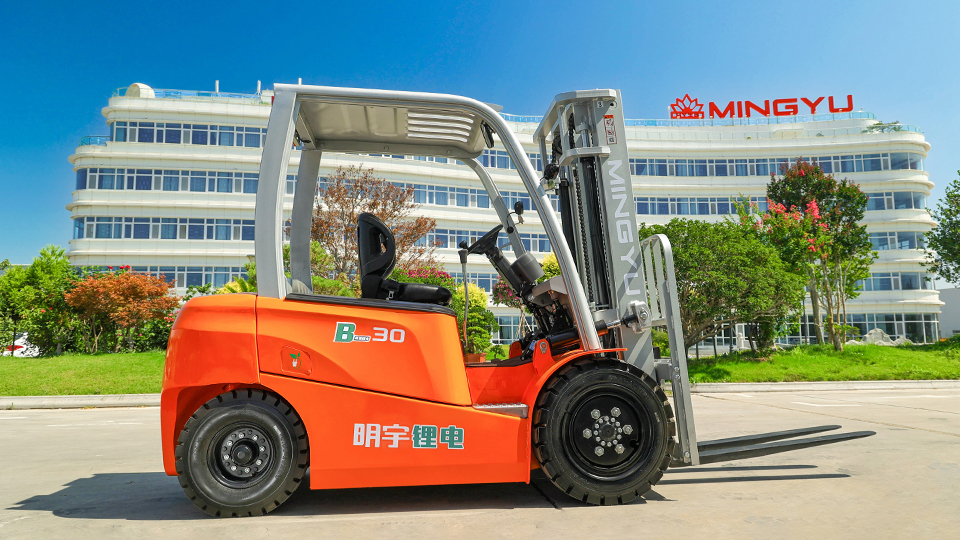
4.2 Checking the Electrolyte Level
1. Remove the vent caps from each cell (most forklift batteries have 6–12 cells, each with its own vent cap). Set the caps aside in a clean, dry location (do not lose them).
2. Inspect the electrolyte level in each cell. Use a flashlight if necessary to see the lead plates.
3. For each cell:
- If the electrolyte covers the plates by 1/4–3/8 inch (6–10 mm) and is below the max fill line, no water is needed.
- If the plates are exposed or the electrolyte is below the min fill line, water is required.
- If the electrolyte is above the max fill line, use a clean syringe or baster to remove excess water (be careful not to spill electrolyte).
4.3 Adding Water to the Battery
1. Fill a battery watering can with distilled water (tap water contains minerals that can deposit on the lead plates, causing sulfation and reducing battery lifespan).
2. For each cell that needs water, slowly pour distilled water into the fill opening, stopping when the electrolyte level is 1/4–3/8 inch above the lead plates (or at the max fill line, if marked).
3. Work slowly to avoid splashing electrolyte. If splashing occurs, clean it immediately with a clean cloth dampened with baking soda (to neutralize the acid).
4. Do not overfill—excess water will boil over during the next charge, leading to electrolyte loss and corrosion.
4.4 Post-Watering Steps
1. Replace the vent caps securely on each cell (loose caps can allow dirt and debris to enter the battery, causing damage).
2. Wipe down the top of the battery with a clean cloth dampened with baking soda to remove any spilled electrolyte or water, preventing corrosion.
3. Reconnect the charger (if needed) or prepare the forklift for use.
4. Record the watering date and any observations (e.g., excessive water consumption, low levels) in a battery maintenance log (required by OSHA and other safety regulations in 2026).
5. Common Mistakes to Avoid When Watering a Forklift Battery
Even experienced technicians can make mistakes when watering forklift batteries, but these errors can be costly—leading to battery damage, safety hazards, and increased downtime. Below are the most common mistakes and how to avoid them:
5.1 Adding Water Before Charging
As discussed earlier, adding water to a discharged battery causes the electrolyte level to be too high once the battery is charged, leading to boiling over and electrolyte loss. Always wait until the battery is fully charged and cooled before adding water.
5.2 Using Tap Water Instead of Distilled Water
Tap water contains minerals (e.g., calcium, magnesium, iron) that dissolve in the electrolyte and deposit on the lead plates, forming scale. This scale impairs the battery’s ability to charge and discharge, leading to sulfation and premature failure. Always use distilled water—this is non-negotiable for lead-acid battery maintenance.
5.3 Overwatering or Underwatering
Overwatering dilutes the electrolyte, reducing battery capacity and causing boiling over. Underwatering exposes the lead plates, leading to corrosion and sulfation. Use the 1/4–3/8 inch rule (or the battery’s built-in fill lines) to ensure the correct level.
5.4 Watering a Hot or Charging Battery
Adding water to a hot, charging battery can cause the water to boil instantly, splashing hot electrolyte and creating a safety hazard. Always allow the battery to cool to ambient temperature (80°F–90°F) after charging before watering.
5.5 Ignoring Vent Caps
Clogged or missing vent caps can cause gas buildup, leading to excessive water loss and potential battery failure. Inspect vent caps regularly for dirt, damage, or wear, and replace them if necessary. Always secure vent caps tightly after watering.
Name: selena
Mobile:+86-13176910558
Tel:+86-0535-2090977
Whatsapp:8613181602336
Email:vip@mingyuforklift.com
Add:Xiaqiu Town, Laizhou, Yantai City, Shandong Province, China
