
vip@mingyuforklift.com
+86-0535-2090977

Introduction
Dual-fuel forklifts have emerged as a versatile solution in the material handling industry, offering the flexibility to operate on either gasoline or liquefied petroleum gas (LPG). This dual capability provides significant operational advantages, including cost savings, extended runtime, and reduced emissions compared to traditional single-fuel counterparts. However, these benefits come with increased complexity in maintenance requirements. Understanding the critical maintenance points for dual-fuel systems is essential for fleet managers and technicians to ensure optimal performance, safety, and longevity of these machines. This comprehensive guide explores the key maintenance considerations that will help you avoid costly detours and operational disruptions.
Understanding Dual-Fuel Forklift Architecture
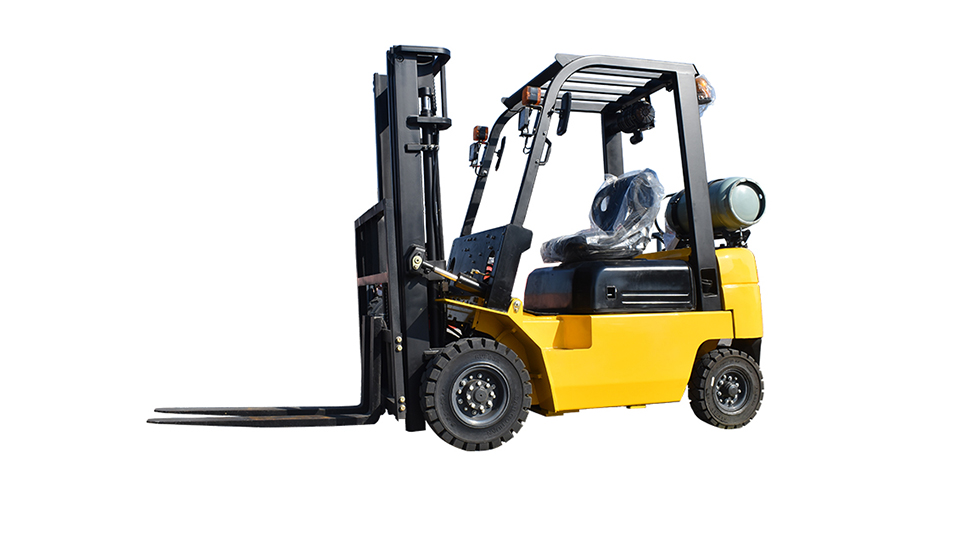
Before diving into maintenance specifics, it's crucial to understand the fundamental architecture of dual-fuel forklifts. These machines integrate two distinct fuel systems—gasoline and LPG—sharing a common engine platform. The fuel delivery system includes dual fuel tanks, separate fuel lines, regulators, vaporizers, and a switching mechanism that allows operators to transition between fuel sources seamlessly.
The engine control module (ECM) plays a pivotal role in managing fuel injection timing, air-fuel mixture ratios, and ignition timing based on the selected fuel type. This sophisticated integration means that maintenance procedures must account for the interactions between both systems, not just individual components. Any oversight in understanding these interdependencies can lead to performance issues that are difficult to diagnose and expensive to resolve.
Fuel System Maintenance: The Critical Foundation
LPG System Components
The LPG system requires meticulous attention due to its high-pressure nature and the specific properties of propane fuel. The pressure regulator and vaporizer unit demand regular inspection, as these components are subject to thermal cycling and potential freeze-ups during operation. Technicians should check for proper seating of O-rings and gaskets, which can degrade over time due to temperature fluctuations and chemical exposure.
The LPG tank and its associated valves require periodic pressure testing and visual inspection for corrosion, dents, or damage. The excess flow valve, which automatically shuts off fuel flow in case of line rupture, must be tested annually to ensure proper functionality. Fuel lines should be inspected for chafing, cracking, or loose connections, particularly at flex points where vibration occurs.
Gasoline System Integrity
While the gasoline system may seem conventional, its integration with the LPG system introduces unique maintenance challenges. The fuel pump, filter, and injectors must be maintained to gasoline manufacturer specifications, but technicians must also verify that no LPG residue contaminates the gasoline components during dual-fuel operation. Fuel tank integrity is paramount—rust or debris in the gasoline tank can migrate to shared components and cause failures in the LPG system when fuels are switched.
Engine Management and Tuning Considerations
Dual-fuel engines operate under different combustion characteristics depending on the active fuel source. LPG has a higher octane rating and different stoichiometric ratio compared to gasoline, requiring precise calibration of the fuel injection system. Maintenance protocols must include regular verification of air-fuel ratios using exhaust gas analyzers to ensure optimal combustion efficiency and emissions compliance.
Spark plug maintenance takes on added importance in dual-fuel applications. LPG combustion produces different byproducts compared to gasoline, which can affect spark plug fouling patterns. Technicians should inspect spark plugs more frequently than in single-fuel applications, looking for signs of improper combustion such as oil fouling, carbon deposits, or electrode erosion. The ignition timing may require periodic adjustment to account for fuel-specific combustion characteristics.
Cooling System Optimization
The cooling system in dual-fuel forklifts faces unique thermal management challenges. The vaporizer unit requires engine coolant to function properly, as it uses heat from the cooling system to convert liquid propane to vapor. This parasitic heat load means the cooling system must be adequately sized and maintained to handle both engine cooling and vaporizer demands.
Coolant levels should be checked daily, and the coolant mixture must be maintained at the proper concentration to prevent freezing and ensure adequate heat transfer capacity. The radiator, coolant hoses, and water pump require more frequent inspection than in single-fuel applications due to the additional thermal load. Scale buildup in the vaporizer heat exchanger can significantly reduce efficiency and should be addressed through periodic flushing and chemical cleaning.
Electrical System and Control Module Maintenance
The sophisticated electronic control systems in modern dual-fuel forklifts require specialized maintenance attention. The ECM stores calibration data for both fuel types and manages the transition logic between fuels. Diagnostic trouble codes (DTCs) must be monitored and addressed promptly, as they often indicate issues that could affect both fuel systems.
Battery maintenance is critical, as voltage fluctuations can cause erratic behavior in the fuel switching solenoids and ECM. Technicians should verify battery voltage, specific gravity (for flooded batteries), and charging system output during routine service. Wiring harnesses should be inspected for chafing, particularly in areas where they may contact fuel lines or sharp edges. Corroded connectors can cause intermittent faults that are notoriously difficult to diagnose.
Emissions Control and Regulatory Compliance
Dual-fuel forklifts must comply with increasingly stringent emissions regulations, including EPA and CARB standards for off-road equipment. The maintenance of catalytic converters, oxygen sensors, and evaporative emission control systems is essential for regulatory compliance and operational legality.
Technicians must use exhaust gas analyzers to verify that emissions remain within specified limits for both fuel types. Catalyst efficiency can degrade over time, particularly if the engine operates with rich mixtures or oil consumption issues. The evaporative emission system, which prevents fuel vapor release, requires inspection of charcoal canisters, purge valves, and fuel tank pressure sensors.
Safety Systems and Operator Protection
Safety maintenance encompasses both passive and active systems designed to protect operators and facilities. The LPG system's safety devices—including pressure relief valves, excess flow valves, and leak detection systems—require regular testing and certification. Gas detectors in enclosed operating environments must be calibrated according to manufacturer schedules.
Fire suppression systems, where equipped, need inspection of agent levels, nozzle clearances, and activation mechanisms. Operator restraint systems, including seatbelts and overhead guards, should be inspected for wear and proper function. The fuel switching mechanism must be designed to prevent accidental switching during operation, and interlock systems require verification.
Preventive Maintenance Scheduling and Documentation
Effective dual-fuel forklift maintenance relies on rigorous scheduling and comprehensive documentation. Maintenance intervals should be established based on operating hours, fuel consumption, and manufacturer recommendations, with adjustments for severe service conditions such as dusty environments or extreme temperatures.
Digital maintenance management systems can track component-specific service histories, predict failures based on usage patterns, and ensure regulatory compliance documentation. Oil analysis programs provide early warning of internal engine wear, coolant contamination, or fuel dilution issues that could affect both fuel systems.
Technicians should maintain detailed records of fuel system inspections, pressure tests, and component replacements. This documentation proves invaluable for warranty claims, resale value, and troubleshooting recurring issues. Cross-referencing maintenance records with operational data can identify patterns that indicate systemic problems requiring engineering solutions.
Troubleshooting Common Dual-Fuel Issues
Understanding common failure modes helps technicians diagnose problems efficiently. Hard starting in cold weather often indicates vaporizer issues or inadequate coolant flow to the LPG system. Rough idle or hesitation during acceleration may result from improper fuel mixture, contaminated fuel, or ignition system problems.
Fuel switching failures typically involve electrical issues with solenoid valves, ECM programming errors, or mechanical problems with the switching mechanism. Power loss under load can indicate restricted fuel flow, catalytic converter blockage, or engine compression issues. Intermittent stalling may result from heat-related component failures, particularly in the ignition system or fuel control modules.
Systematic diagnostic approaches using manufacturer-specific diagnostic tools, combined with fundamental understanding of dual-fuel system interactions, enable efficient problem resolution without unnecessary component replacement.
Training and Technician Certification
Maintaining dual-fuel forklifts requires specialized knowledge that goes beyond conventional forklift maintenance training. Technicians must understand the thermodynamic properties of both fuels, high-pressure system safety protocols, and electronic control system diagnostics. Manufacturer-specific training programs provide essential knowledge of proprietary systems and calibration procedures.
Continuous education is necessary as emission standards evolve and new technologies emerge. Certification in LPG system maintenance, including pressure testing and leak detection, is often required by regulatory authorities and insurance providers. Investment in technician training pays dividends through reduced downtime, extended equipment life, and avoidance of safety incidents.
Conclusion
Dual-fuel forklifts represent a significant advancement in material handling equipment, offering operational flexibility and environmental benefits. However, realizing these advantages requires disciplined maintenance practices that address the unique challenges of dual-fuel integration. By focusing on fuel system integrity, engine management optimization, cooling system capacity, electronic control reliability, and comprehensive safety systems, maintenance professionals can ensure these machines deliver reliable performance throughout their service life.
The key to avoiding costly detours lies in proactive maintenance scheduling, thorough technician training, and meticulous documentation. Organizations that invest in understanding and implementing these maintenance principles will maximize their return on investment while maintaining safe, compliant, and efficient operations. As the industry continues to evolve toward cleaner and more flexible fuel solutions, the maintenance practices established today will form the foundation for tomorrow's material handling capabilities.
Name: selena
Mobile:+86-13176910558
Tel:+86-0535-2090977
Whatsapp:8613181602336
Email:vip@mingyuforklift.com
Add:Xiaqiu Town, Laizhou, Yantai City, Shandong Province, China