
vip@mingyuforklift.com
+86-0535-2090977

Introduction
Dual-fuel forklifts represent a significant investment for warehouses, distribution centers, and manufacturing facilities worldwide. These versatile machines, capable of operating on both gasoline and liquefied petroleum gas (LPG), offer operational flexibility and cost advantages that make them indispensable in modern material handling operations. However, this dual-capability design introduces complexity that demands rigorous daily maintenance protocols. Unlike single-fuel counterparts, dual-fuel forklifts integrate two distinct fuel systems, sophisticated switching mechanisms, and advanced engine management systems that require vigilant attention to ensure safe, efficient, and reliable operation.
Daily maintenance serves as the foundation of effective fleet management, preventing minor issues from escalating into major failures that disrupt operations and compromise safety. This comprehensive guide presents detailed daily maintenance procedures specifically tailored to dual-fuel forklift systems, providing maintenance personnel and operators with actionable protocols that protect equipment investments and ensure continuous productivity.
Pre-Operational Visual Inspection
Exterior and Structural Assessment
Begin each day with a systematic walk-around inspection of the forklift's exterior condition. Examine the overhead guard for cracks, dents, or structural damage that could compromise operator protection in the event of falling objects. Check the integrity of the mast assembly, looking for signs of hydraulic fluid leakage at cylinder seals, wear on lift chains, and proper lubrication of chain anchor pins. The carriage and fork assembly require inspection for cracks, bends, or excessive wear at the heel and hook areas—critical stress points that directly impact load handling safety.
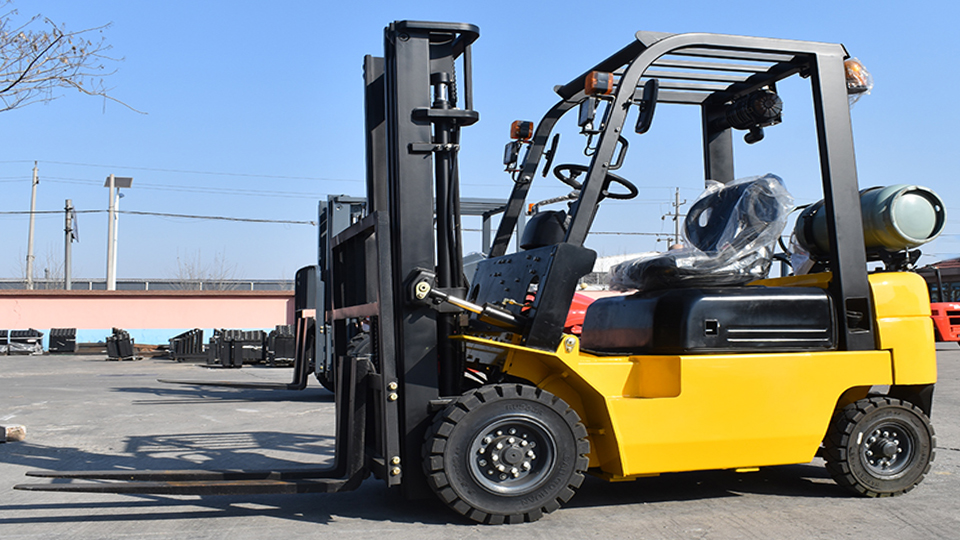
Inspect tires for proper inflation pressure, cuts, embedded debris, and tread wear patterns that might indicate alignment issues or improper loading. For cushion-tire forklifts common in warehouse environments, verify that tires are not chunked or separated from rims. Pneumatic-tire models require additional attention to sidewall condition and bead seating.
Fuel System Visual Checks
The dual-fuel capability demands particular attention to both fuel storage and delivery systems. For the LPG system, visually inspect the tank mounting brackets, protective collars, and tank condition without removing the tank from its cradle. Look for dents, corrosion, or damage to the tank exterior that could indicate structural compromise. Verify that the tank is properly secured and that the fuel line routing shows no signs of chafing against frame components or heat sources.
The gasoline tank and associated components require similar scrutiny. Check for fuel odor that might indicate evaporative system leaks, examine fuel cap condition and seal integrity, and verify that the tank shows no signs of physical damage or corrosion. For both systems, ensure that fuel selector switches and indicators are clearly labeled and functioning properly.
Fluid Level Verification and Condition Assessment
Engine Oil Monitoring
Check engine oil level using the dipstick before starting the engine, ensuring the forklift is on level ground for accurate readings. Dual-fuel engines may experience different oil contamination patterns depending on primary fuel usage—LPG combustion typically produces less blow-by contamination than gasoline, but fuel dilution can occur if LPG mixture settings are incorrect. Note oil color and consistency; dark, gritty oil indicates contamination requiring change, while fuel odor suggests carburetion or injection issues needing immediate attention.
Maintain oil at the full mark without overfilling, as excessive oil can cause foaming and seal damage. Record oil consumption patterns—sudden increases may indicate internal engine problems or fuel system malfunctions affecting combustion efficiency.
Cooling System Maintenance
Verify coolant level in the overflow reservoir and radiator (when engine is cool), maintaining the manufacturer-specified mixture of antifreeze and water. The cooling system in dual-fuel forklifts serves the critical additional function of heating the LPG vaporizer, making proper coolant level and condition essential for both engine protection and fuel system operation.
Inspect coolant condition for contamination, oil presence, or rust particles that indicate internal problems. Check radiator fins for debris blockage, particularly in dusty or outdoor environments, and verify that the radiator cap maintains proper pressure seal. Examine coolant hoses for swelling, cracking, or soft spots that indicate degradation, paying particular attention to hoses routing to the LPG vaporizer unit.
Hydraulic System Inspection
Check hydraulic fluid level in the reservoir, maintaining cleanliness standards that prevent contamination of precision hydraulic components. Inspect hydraulic lines, fittings, and cylinders for leakage, which presents both operational and safety hazards—slippery floors endanger pedestrian traffic and reduce braking effectiveness. Note that hydraulic fluid leaks near fuel system components create fire hazards requiring immediate correction.
LPG System Daily Protocols
Tank Connection and Valve Inspection
Before connecting a replacement LPG tank, inspect the tank valve outlet and forklift connector for debris, damage, or thread damage that could cause leaks. Verify that the fixed liquid level gauge is present and functional, providing visual indication of proper filling limits. When connecting the tank, ensure the connector threads engage smoothly without cross-threading, and tighten securely using proper technique—overtightening damages threads and seals, while undertightening risks dangerous leaks.
After connection, perform a soap-bubble leak test at the connection point, watching for bubble formation that indicates escaping gas. Never use open flame for leak detection. Verify that the tank valve opens smoothly and that the pressure gauge (if equipped) indicates proper system pressure.
Vaporizer and Regulator Checks
The LPG vaporizer unit, which converts liquid propane to vapor using engine coolant heat, requires daily attention to mounting security and connection integrity. Check for coolant leaks at the vaporizer heat exchanger, which indicate internal failures requiring immediate service. Verify that the primary regulator and lock-off valve are securely mounted and show no signs of external damage or corrosion.
Listen for unusual sounds during operation—hissing indicates gas leaks requiring immediate shutdown and investigation. The distinct odor of ethyl mercaptan added to LPG provides early warning of leaks, but reliance on odor alone is insufficient; visual inspection and leak testing remain essential.
Gasoline System Daily Care
Fuel Quality and Contamination Prevention
Inspect gasoline for water contamination, particulate matter, or phase separation in ethanol-blended fuels. Water in fuel causes immediate operational problems and long-term corrosion damage to fuel system components. If the forklift has been stationary for extended periods, consider fuel system purging or additive treatment to prevent varnish formation in injectors or carburetor components.
Verify that fuel tank caps seal properly and that evaporative emission control components, including charcoal canisters and purge valves, show no physical damage. In hot weather, excessive fuel system pressure indicates venting problems requiring attention.
Fuel Delivery Component Inspection
Check fuel lines for abrasion, kinking, or deterioration, particularly at connection points and where lines pass through chassis grommets. Fuel injection systems require filter condition monitoring—restricted filters cause pump cavitation, injector wear, and performance degradation. For carbureted systems, verify that choke linkages operate smoothly and that throttle controls return to idle properly without sticking.
Engine Starting and Operational Checks
Cold Start Procedures
Follow manufacturer-specified starting procedures that account for fuel selection and ambient temperature. When starting on LPG in cold weather, allow adequate time for the vaporizer to reach operating temperature before applying load—attempting to operate with inadequate vaporization causes liquid propane ingestion that damages engine components and creates safety hazards.
Monitor engine cranking speed and starting behavior; slow cranking indicates battery or starter issues requiring attention, while hard starting suggests fuel system, ignition, or compression problems. Observe exhaust smoke during startup—excessive black smoke indicates rich fuel mixture, blue smoke suggests oil consumption, and white smoke may indicate coolant leakage into combustion chambers.
Fuel System Transition Verification
If switching between gasoline and LPG operation, perform the transition only at idle speed with no load applied, following manufacturer procedures precisely. Verify that the transition completes smoothly without engine stumble, stall, or rough operation. Note any hesitation or power loss during transition, which indicates adjustment needs or component wear requiring maintenance attention.
Operational Performance Monitoring
Load Handling Verification
During initial operation, test lift, lower, tilt, and attachment functions at low speed to verify hydraulic system performance and control responsiveness. Check for unusual noises, vibrations, or erratic movements that indicate mechanical problems. Verify that load capacity ratings are clearly visible and that the capacity data plate matches current equipment configuration.
Test service brakes and parking brake function, ensuring adequate stopping power and proper release of parking brake before movement. Brake performance degradation requires immediate correction—dual-fuel forklifts often operate in confined spaces where braking distances are critical safety factors.
Engine Performance Assessment
Monitor engine performance throughout the operating day, noting power output, acceleration response, and any tendency toward stalling or surging. Dual-fuel engines should deliver consistent performance regardless of fuel selection; noticeable differences between gasoline and LPG operation indicate tuning or component issues requiring adjustment.
Watch for warning lights or diagnostic indicators on the instrument panel, and respond to abnormal indications according to manufacturer protocols. Modern dual-fuel forklifts incorporate sophisticated engine management systems that detect faults before catastrophic failures occur—ignoring warning indicators risks expensive repairs and operational disruptions.
Post-Operational Shutdown Procedures
Proper Fuel System Securement
At shift end or extended shutdown, secure fuel systems according to safety protocols. For LPG operation, close the tank valve to isolate fuel supply, allowing the engine to run briefly to consume fuel remaining in the lines—this prevents pressure buildup and reduces leak risks during parking. Verify that the fuel selector is positioned appropriately for the next startup fuel choice.
For gasoline systems, avoid topping off tanks excessively, which can flood evaporative emission systems and create spill hazards. Ensure fuel caps are secured to prevent contamination and evaporation.
Battery and Electrical System Care
Check battery electrolyte levels in accessible cells, maintaining proper levels with distilled water as needed. Clean battery terminals and cable connections of corrosion, which causes voltage drops affecting starting performance and electronic system reliability. Verify that battery hold-downs are secure to prevent vibration damage and acid spillage.
Inspect wiring harnesses for damage from heat, abrasion, or chemical exposure, particularly in areas near fuel system components where electrical faults create ignition hazards. Ensure that all protective covers and grommets are in place to prevent moisture ingress and short circuits.
Documentation and Communication
Maintenance Record Keeping
Record all daily inspection findings in maintenance logs, noting fluid levels, fuel consumption, operational anomalies, and corrective actions taken. Consistent documentation creates maintenance histories that support warranty claims, identify recurring problems, and demonstrate regulatory compliance. Digital maintenance management systems streamline this process while providing data analytics capabilities that optimize maintenance scheduling.
Operator-Maintenance Coordination
Establish clear communication channels between operators and maintenance personnel regarding equipment condition. Operators who perform daily inspections possess valuable insights into developing problems; formalized reporting procedures ensure that maintenance staff receive timely information needed for preventive intervention. Encourage operators to report unusual noises, smells, or performance changes immediately rather than allowing problems to worsen.
Seasonal and Environmental Considerations
Cold Weather Adaptations
In freezing conditions, verify that coolant mixture provides adequate freeze protection and that block heaters function properly if equipped. LPG systems require particular attention—tank pressure decreases significantly in cold weather, potentially affecting fuel delivery. Allow additional warmup time for vaporizer operation, and consider tank warming strategies for extreme conditions.
Battery performance degrades in cold weather; verify that charging systems maintain proper voltage and that battery condition supports reliable starting. Hydraulic fluid viscosity increases in cold temperatures, potentially affecting response times until systems reach operating temperature.
Hot Weather Operations
High ambient temperatures increase cooling system demands and fuel vaporization risks. Monitor coolant temperature gauges closely, and avoid prolonged high-load operation during peak heat periods. Check fuel system components for expansion-related leaks, and ensure that evaporative emission systems function properly to prevent pressure buildup and fuel loss.
Safety System Verification
Fire Suppression and Protection
Inspect fire extinguisher accessibility, charge status, and condition daily, ensuring that operators know locations and proper use procedures. Verify that fuel system emergency shut-off devices are accessible and functional. In facilities with fixed fire suppression systems, confirm that nozzles remain clear of obstructions and that system status indicators show normal operation.
Operator Protection Features
Check seatbelt condition and retraction mechanism, horn function, backup alarm operation, and lighting systems including headlights, taillights, and warning beacons. Verify that mirrors provide adequate visibility and are properly adjusted. These systems protect both operators and pedestrian traffic in busy warehouse environments.
Conclusion
Daily maintenance of dual-fuel forklifts demands systematic attention to the unique requirements of dual-fuel system integration while maintaining fundamental forklift care standards. The protocols outlined in this guide provide a framework for protecting equipment investments, ensuring operational safety, and maximizing productivity. Success depends on consistent execution, thorough documentation, and responsive correction of identified deficiencies.
Organizations that implement rigorous daily maintenance programs realize substantial returns through extended equipment life, reduced emergency repairs, improved safety records, and regulatory compliance. As dual-fuel technology continues evolving with increasingly sophisticated electronic controls and emission management systems, the importance of disciplined daily maintenance only increases. Maintenance professionals and operators who master these daily protocols position their operations for reliable, efficient material handling performance in demanding industrial environments.
Name: selena
Mobile:+86-13176910558
Tel:+86-0535-2090977
Whatsapp:8613181602336
Email:vip@mingyuforklift.com
Add:Xiaqiu Town, Laizhou, Yantai City, Shandong Province, China