Mandatory technical guide to California forklift certification. Details Cal/OSHA (CCR Title 8) compliance, the 3-phase training process (formal, practical, evaluation), and unique California safety mandates like the explicit seat belt rule.
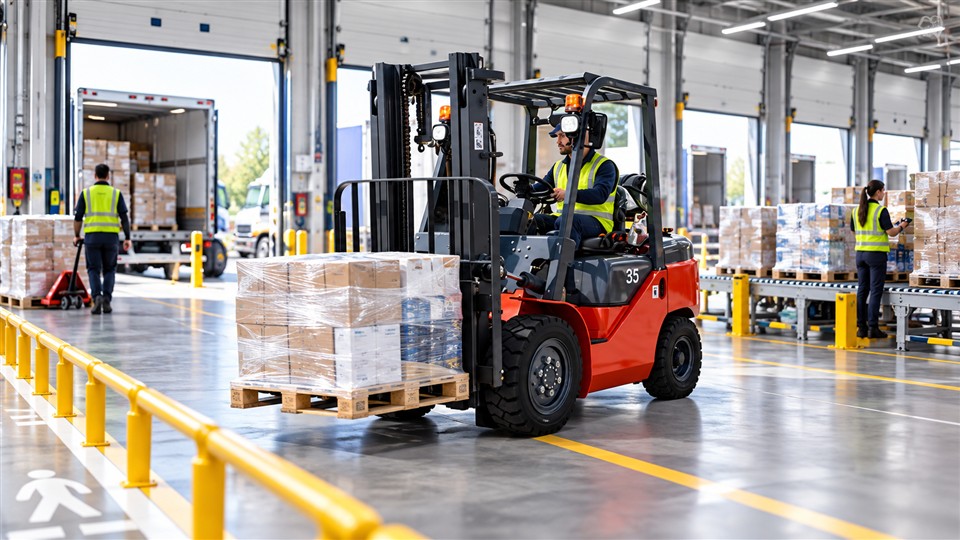
Technical guide dissecting the forklift (PIT) anatomy, hydraulics, and engineering. Learn about the Stability Triangle, Load Moment physics, OSHA classifications (I-VII), and mast systems (Triplex, Quadplex).
Technical guide on forklift load center: definition, its role as the fulcrum for longitudinal stability, how to calculate derated capacity, and the critical relationship with the stability triangle for safe operation.
Technical guide for authorized forklift key replacement. Learn the safe, compliant procedure for sourcing OEM or aftermarket ignition keys for major brands (Toyota, Hyster, etc.) using serial numbers, ensuring operational safety and security.
Forklift training duration is variable, not fixed. Get a technical breakdown of how long OSHA-compliant training takes, covering the 3 mandatory phases (formal, practical, evaluation), 3-year recertification requirements, and factors like operator experience and PIT class complexity
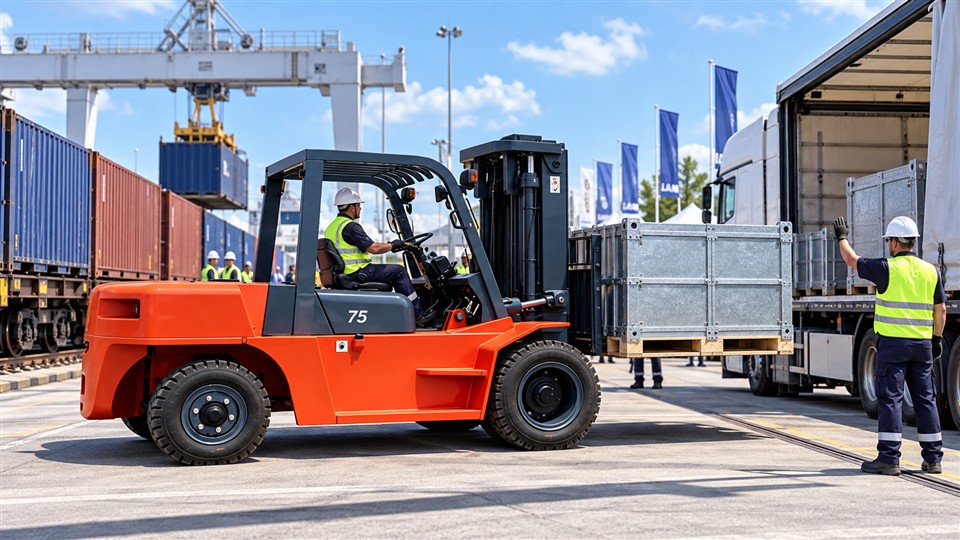
Is there a standard forklift width? Technically, no. We break down how the 7 classes (from 30" pallet jacks to 100"+ rough terrain trucks) are designed for stability, capacity, and critical warehouse aisle width formulas.
Learn about the 7 official classes of Powered Industrial Trucks (PITs) defined by OSHA. We break down the technical differences in power, tires, and application for Classes I through VII.